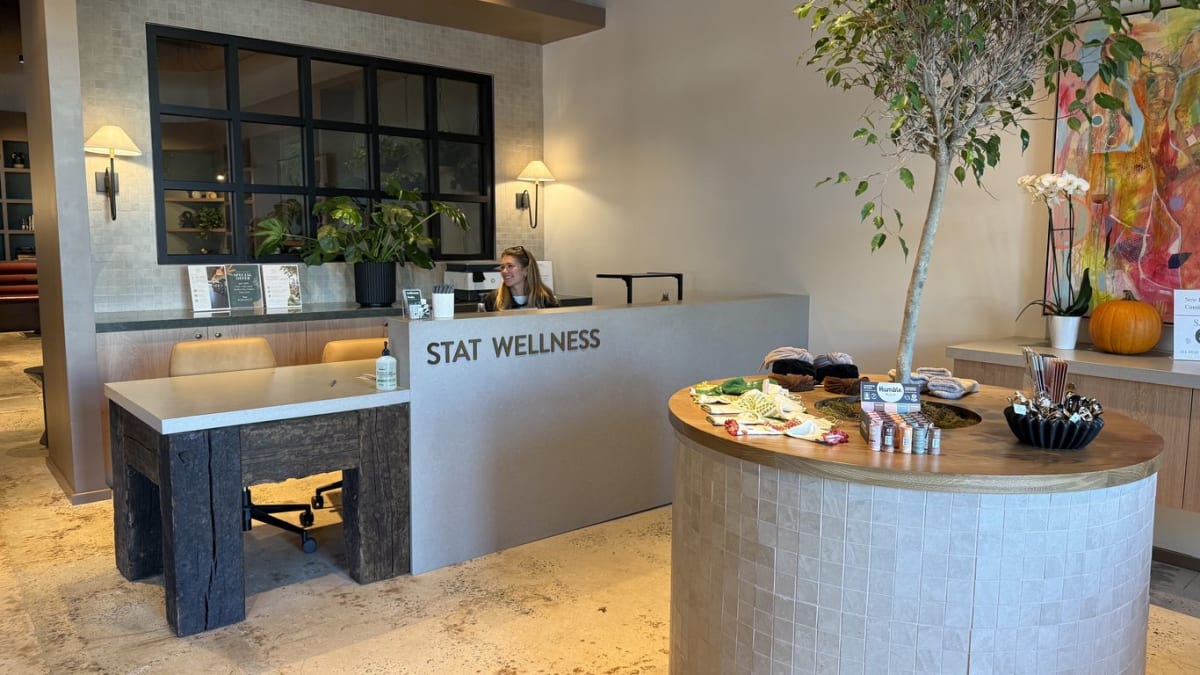
Part Gym, Part Doctor's Office: Inside the Integrated Approach of STAT Wellness
Have you ever spent months bouncing between medical specialists, physical therapists, and personal trainers, only to feel like none of them were actually speaking the same language? You visit a primary care physician for lingering fatigue or hormonal shifts, a physical therapist for a persistent hip ache, and a boutique fitness studio to stay in shape—yet each operates in a total vacuum, treating your body as a collection of isolated parts rather than an interconnected whole.
This fragmented approach to well-being is precisely what the modern wellness landscape is beginning to challenge. Enter STAT Wellness, a forward-thinking concept in South End that bridges the traditional divide between medical care and fitness by bringing functional medicine, strength training, and physical therapy under a single roof. It represents an emerging category in preventive health: the medical-fitness hybrid.
The Problem with Siloed Healthcare
For decades, conventional medicine and daily fitness have occupied completely different worlds. Typical medical appointments average roughly fifteen minutes, often leaving little time to dive deep into sleep quality, stress dynamics, gut health, or biomechanics. Meanwhile, standard commercial gyms offer equipment and sweat sessions, but their trainers often lack the clinical insight to navigate chronic autoimmune flare-ups, endocrine imbalances, or subtle orthopedic rehabilitations.
When these disciplines remain separated, the burden falls on you, the patient, to act as your own project manager. You are left translating lab values to your trainer and explaining your gym routine to your doctor. STAT Wellness flips this dynamic by creating a collaborative environment where medical providers, movement specialists, and rehabilitation experts work in concert under one roof.
The Three Pillars: Functional Medicine, Movement, and Rehab
To understand why this model is resonating so deeply with health-conscious individuals, it helps to unpack the three core modalities at play and explore how they amplify one another.
1. Functional Medicine: Uncovering Root Causes
Unlike conventional symptom-suppression models, functional medicine asks a fundamental question: Why is this dysfunction occurring in the first place? Providers look beyond baseline lab panels, investigating advanced biomarkers for metabolic health, systemic inflammation, gut microbiome diversity, and micronutrient status. By evaluating how lifestyle, genetics, and environment intersect, functional practitioners create tailored protocols that prioritize nutrition, circadian rhythm optimization, and stress adaptation.
2. Progressive Strength Training: Building Metabolic Armor
Cardio has its place, but structured resistance training is increasingly recognized by preventive medicine experts as a cornerstone of longevity. Skeletal muscle serves as an active metabolic organ, acting as a primary sink for glucose disposal and a regulator of insulin sensitivity. By housing strength coaching alongside medical oversight, training programs can be customized to match an individual's current hormonal status, joint capacity, and recovery reserve—preventing the overtraining and burnout so common in high-intensity fitness culture.
3. Clinical Physical Therapy: Bridging Recovery and Performance
Traditional physical therapy often ends the moment an acute injury subsides and basic daily activities become manageable. Unfortunately, this leaves a wide, precarious gap between "cleared of pain" and "ready to lift heavy." By integrating physical therapy directly alongside strength training, rehabilitation becomes proactive rather than purely reactive. Movement limitations and movement dysfunctions are resolved before they trigger chronic compensatory patterns.
Why the Synergistic Approach Outperforms Isolated Care
When functional medicine, strength training, and physical therapy align, the physiological benefits compound rapidly. Consider how interconnected the human body truly is:
- Inflammation and Tissue Healing: If your body is dealing with systemic low-grade inflammation driven by poor gut integrity or unmanaged stress, joint and tendon repairs take significantly longer. Addressing internal biochemistry accelerates musculoskeletal healing.
- Hormonal Equilibrium: Chronic excessive cardio combined with caloric restriction can suppress thyroid function and dysregulate cortisol. Having medical staff track your endocrine panel ensures your strength workouts stimulate lean tissue growth rather than adrenal exhaustion.
- Sustainable Movement Patterns: A physical therapist can communicate real-time assessments directly to a strength coach, ensuring that barbell setups or movement paths actively reinforce joint longevity rather than aggravating an old impingement.
How to Adopt an Integrated Mindset in Your Own Health Journey
Even if you do not live near a dedicated hybrid clinic like South End's STAT Wellness, you can actively adopt this integrated philosophy to take control of your well-being. Here is how to begin connecting the dots in your own routine:
- Connect Your Providers: Ask your primary care provider or functional medicine practitioner for copies of your comprehensive lab panels and physical therapy discharge notes. Share these observations with your coach or personal trainer so your programming reflects your biological reality.
- Prioritize Movement as Medicine: Shift your perspective away from viewing workouts solely as calorie-burning tools. Treat strength sessions as structured interventions to improve metabolic flexibility, bone density, and nervous system resilience.
- Demand Root-Cause Answers: If you struggle with recurring joint pain or persistent fatigue, resist settling for temporary band-aids. Inquire about underlying biomechanical dysfunctions, nutrient deficiencies, or recovery imbalances.
- Respect Rest and Recovery Biomarkers: Pay attention to your sleep quality, resting heart rate, and heart rate variability (HRV). High-performance movement requires an internal foundation that is properly fueled and consistently restored.
Key Takeaways
- Silos are obsolete: Isolating fitness from internal medicine often leads to recurring injuries, overtraining, and overlooked root causes of chronic fatigue.
- Collaboration is key: The hybrid clinic model exemplified by STAT Wellness integrates internal diagnostics, injury rehabilitation, and progressive resistance training.
- Muscle equals longevity: Safe, medically informed strength training is one of the most effective tools for maintaining metabolic and orthopedic health across your lifespan.
- You are the advocate: Proactively bridge the gap between your healthcare providers and your fitness coaches by sharing health records, goals, and recovery limitations.
The Future of Everyday Longevity
The arrival of studios like STAT Wellness marks an exciting shift toward a more proactive, holistic, and rational healthcare paradigm. By dissolving the walls between the examination table, the physical therapy plinth, and the weight room floor, we can finally stop treating our bodies in fragments—and start building lasting vitality from the inside out.
Source Attribution: Article content originally reported by axios.com. Read original story coverage on axios.com →

Elena Rostova
WelloraDaily Editorial Team