Moving with Grace: Why Tai Chi for Health Is the Ultimate Longevity Practice for Older Adults
When was the last time you paused during a busy week to truly tune into the way your body moves? For many of us navigating our later decades, staying active can feel like a delicate negotiation between the desire for vitality and the reality of stiff joints, lingering aches, or a subtle loss of equilibrium. The good news is that maintaining lifelong mobility does not require grueling gym sessions or high-impact strain.
Enter Tai Chi for Health, an evidence-based, low-impact discipline that transforms ancient martial wisdom into an accessible pathway toward lasting physical independence. Across senior centers and community wellness programs, interactive Lunch & Learn workshops are sparking renewed interest in this gentle art. Whether you are curious about community-based education or simply looking to enhance your everyday balance, understanding the science and practice of Tai Chi can unlock a healthier, more grounded way to live.
The Gentle Power of Tai Chi: Meditation in Motion
Often referred to as "meditation in motion," Tai Chi consists of deliberate, flowing movements synchronized with deep, diaphragmatic breathing. Originating centuries ago as an internal martial art, contemporary adaptations like the widely recognized Tai Chi for Health program strip away combat intensity to focus entirely on therapeutic benefits.
Unlike traditional fitness routines that emphasize muscle breakdown and rapid exertion, Tai Chi works on the principle of continuous circular flow. The postures are never static; one movement flows seamlessly into the next. This fluid shifting of weight recruits both stabilizing muscles and neurological pathways, retraining the body to maintain stability without force or tension.
Key Benefits of Tai Chi for Adults Aged 60 and Beyond
As our physiological needs change, exercise should evolve to support functional longevity. Clinical research consistently validates Tai Chi as one of the most effective holistic modalities for older adults. Here is what happens when you introduce this practice into your weekly routine:
1. Unmatched Fall Prevention and Balance Control
Accidental falls remain one of the most significant threats to independent living for older adults. Tai Chi directly addresses this risk by targeting proprioception—your body's subconscious awareness of its position in space. By consciously shifting your center of gravity from one foot to the other with soft, bent knees, you strengthen the deep intrinsic muscles of the ankles, calves, and hips while enhancing vestibular coordination.
2. Gentle Joint Relief for Arthritis
High-impact exercise can exacerbate osteoarthritis, creating inflammation and discouraging consistent physical activity. Tai Chi movements gently move joints through their natural range of motion without bearing sudden loads. This promotes the circulation of synovial fluid—the natural lubricant within our joint capsules—easing morning stiffness and preserving cartilage health.
3. Cognitive Vitality and Dual-Tasking
Memorizing short movement sequences while regulating breath and maintaining postural alignment is a remarkable workout for the brain. Studies indicate that mindful movement forms stimulate neuroplasticity, improving executive function, working memory, and mental focus. In daily life, this translates into better "dual-tasking" ability, such as safely walking while carrying groceries or holding a conversation.
4. Nervous System Regulation and Stress Reduction
Chronic stress triggers sustained sympathetic nervous system activation, elevating blood pressure and systemic inflammation. The slow, rhythmic cadence of Tai Chi activates the parasympathetic "rest-and-digest" response. Regular practitioners frequently report deeper sleep patterns, reduced anxiety, and improved blood pressure management.
The Value of Community Workshops and Lunch & Learns
While instructional videos can introduce you to the basics, communal gatherings like Lunch & Learn seminars offer unique advantages that go far beyond movement drills. Healing and healthy habit formation thrive in supportive group environments.
- Expert Guidance and Form Correction: Certified instructors demonstrate how to modify stances for seated practice, knee sensitivities, or limited flexibility, ensuring safety from day one.
- Combating Social Isolation: Gathering with peers who share similar longevity goals fosters meaningful social bonds, a factor strongly linked to reduced cognitive decline and greater emotional resilience.
- Accessible Health Education: Coupling a wholesome meal with an educational presentation breaks down clinical wellness concepts into practical, bite-sized habits you can immediately weave into everyday life.
Simple Tips to Begin Your Tai Chi Practice Safely
Ready to experience the grounding rhythm of Tai Chi? Getting started requires no specialized equipment or athletic background. Keep these practical recommendations in mind as you begin:
- Prioritize Flat, Supportive Footwear: Choose lightweight, thin-soled athletic shoes that allow your feet to feel the ground beneath you. Avoid thick, heavily cushioned running shoes with elevated heels, which can alter your natural center of gravity.
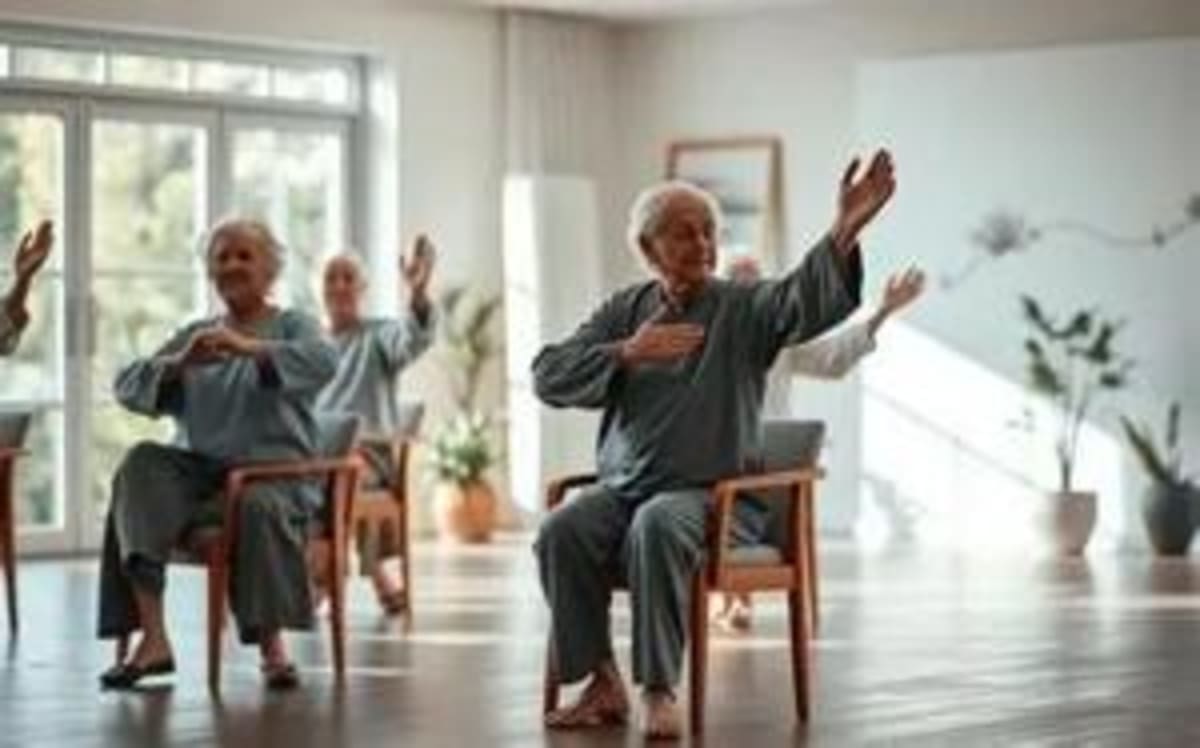
- Listen to Your Comfort Zone: Never push through sharp joint pain. Movement should always feel comfortable, gentle, and expansive. If standing for prolonged periods is challenging, virtually every movement can be performed effectively from a sturdy, armless chair.
- Focus on the Breath: Avoid holding your breath during unfamiliar movements. Inhale naturally through the nose, allowing the abdomen to expand gently, and exhale softly as your hands push outward or downward.
- Practice Consistency Over Duration: Practicing for ten to fifteen minutes every day produces far better neurological and musculoskeletal adaptations than a single, exhausting hour once a week.
Key Takeaways for Lifelong Vitality
- Low Impact, High Return: Tai Chi provides full-body conditioning, joint lubrication, and cardiovascular support without orthopedic impact.
- Stability That Protects: Regular practice strengthens stabilizers, sharpens spatial awareness, and dramatically reduces fall risk.
- Accessible to Everyone: Adaptations exist for every fitness baseline, including seated variations for those managing mobility challenges.
- Mind-Body Connection: Combining mindful breath with structured movement enhances brain health, eases joint stiffness, and calms systemic stress.
Caring for your body in your sixties and beyond does not mean pushing against your limits; it means moving with grace, intention, and respect for where you are today. Whether you sign up for an upcoming local workshop or spend five quiet minutes practicing slow weight transfers in your living room, taking that first gentle step is the ultimate gift to your future self.
Source Attribution: Article content originally reported by qconline. Read original story coverage on qconline →

Elena Rostova
WelloraDaily Editorial Team