A Wake-Up Call for Community Health: What a Recent Measles Fatality Teaches Us About Immunity and Prevention
For decades, many of us grew up viewing measles as a relic of medical history books—a vintage illness conquered by modern science and relegated to the past. That comforting narrative was challenged this week when health officials confirmed that a 40-year-old woman in Pennsylvania died from complications of measles, marking the nation's third measles-related fatality in recent months.
The news is particularly sobering because the United States achieved a historic milestone in the year 2000: health agencies officially declared measles eliminated nationwide. To hear of an adult losing their life to this preventable condition in our current era isn't just tragic; it is an urgent wake-up call to examine how community immunity works, why adults can face severe complications, and what steps we must take to keep our households protected.
The Illusion of Elimination: What Happened Since 2000?
When epidemiologists declared measles eliminated in 2000, it did not mean the virus was eradicated globally. Rather, 'elimination' means the continuous transmission of the virus was interrupted for more than twelve months within a specific geographic territory. In essence, our collective vaccination wall was so tall and sturdy that the virus simply ran out of vulnerable hosts to jump between.
However, viruses respect neither geographic borders nor domestic milestones. When travelers visit areas where measles remains endemic and return home, they occasionally bring the virus with them. For years, these imported cases fizzled out rapidly because community coverage hovered well above the safety threshold. But as immunization rates have dipped below the critical 95% threshold in various communities across the country, those isolated embers have started finding enough dry timber to spark regional outbreaks.
Why Measles in Adults Can Be Surprisingly Dangerous
There is a widespread misconception that measles is solely a mild rite of passage for school-aged children. In reality, the measles virus (a paramyxovirus) is notoriously aggressive, and the risk of severe complications—or fatal outcomes—increases significantly in individuals older than 20 and infants under 5 years old.
When the measles virus enters the respiratory tract, it does far more than trigger a high fever and a distinctive spotted rash. It can lead to several life-threatening clinical complications:
- Severe Viral or Secondary Bacterial Pneumonia: Pneumonia is the most common cause of death from measles, occurring when the virus attacks the delicate pulmonary tissue or leaves the respiratory tract vulnerable to bacterial superinfections.
- Acute Encephalitis: Roughly one out of every 1,000 individuals with measles develops swelling of the brain, which can lead to permanent neurological deficits, seizures, or coma.
- Immune Amnesia: Medical researchers have discovered that measles can wipe out between 20% and 70% of a person's preexisting antibody repertoire, effectively 'erasing' the immune memory built against other common viruses and bacteria for months or even years following recovery.
For an adult in their prime, fighting off an aggressive systemic infection like measles demands tremendous physiologic reserves. If underlying health conditions or compromised immunity are present, the virus can quickly overwhelm the body's natural defenses.
Understanding the Biology of Transmission
To truly grasp how easily measles spreads, we have to look at its basic reproduction number (R0). While common seasonal influenza has an R0 of around 1.3, measles carries an astonishing R0 between 12 and 18. That means a single infected individual can transmit the virus to as many as eighteen susceptible people in an unprotected setting.
Measles is an airborne pathogen that travels on microscopic respiratory droplets when an infected person coughs, sneezes, or even breathes. What makes it uniquely formidable is its staying power: the virus can hang suspended in the air of an enclosed room for up to two hours after the infected person has left. You could walk into an empty doctor's waiting room or grocery aisle long after an infected person departed and still contract the disease if you lack immunity.
Recognizing the Signs: From Prodrome to Rash
Recognizing the early symptoms of measles is crucial for prompt medical isolation and evaluation. The incubation period typically spans 7 to 14 days from exposure before symptoms begin to surface.
The early phase, known as the prodromal stage, mimics a severe flu-like illness characterized by the classic 'Three Cs':
- Cough: A persistent, dry, and often hacking cough.
- Coryza: Profuse nasal congestion and a clear, runny nose.
- Conjunctivitis: Red, inflamed, and watery eyes that become unusually sensitive to bright light.
During this early window, a spiking fever often climbs above 104 degrees Fahrenheit. A day or two before the external rash appears, tiny white spots with bluish-white centers resembling grains of salt—known as Koplik spots—may emerge inside the mouth on the inner cheek. Finally, a flat, red maculopapular rash begins at the hairline and behind the ears, spreading downward over the neck, torso, arms, and legs over the course of three to four days.
Evaluating Your Personal Immunity: Practical Steps for Adults
Given recent events, many adults are reasonably wondering: 'Am I actually protected?' The answers depend on your birth year, your medical records, and your lifestyle risks.
1. Check Your Birth Year and Documentation
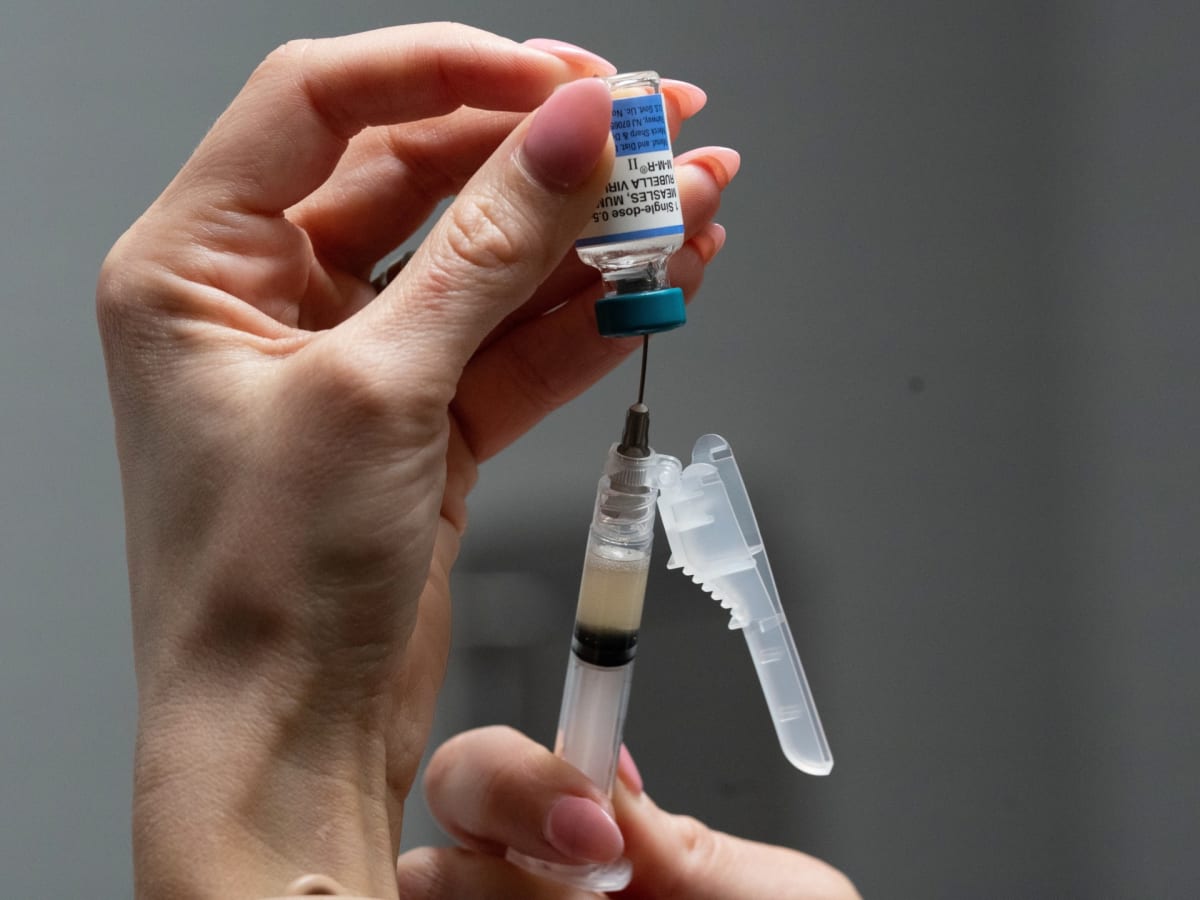
If you were born before 1957, public health agencies generally presume you possess natural immunity, as measles was so widespread during that era that virtually everyone encountered it in childhood. If you were born between 1957 and 1989, you may have received only a single dose of the measles vaccine, or possibly an early killed-virus formulation used briefly in the 1960s that was less durable. Today, guidelines recommend two doses of the live attenuated MMR (measles, mumps, and rubella) vaccine, which provides approximately 97% lifelong protection.
2. Consider a Simple Immunity Titer
If your childhood immunization records are lost or ambiguous, you do not have to guess. Your primary care physician can order a quick, routine blood test called a measles IgG antibody titer. This test measures the concentration of protective antibodies in your bloodstream and confirms definitively whether you are immune.
3. The Safety of Getting a Booster
If your titer shows low or equivocal protection—or if finding your medical records proves impossible—receiving an updated MMR vaccination is safe for non-pregnant, immunocompetent adults. Medical guidance confirms there is no harm in receiving an additional MMR dose even if you had one in the distant past.
Key Takeaways for You and Your Family
- Measles Is Real and Severe: It is not merely a benign rash; it is a systemic infection capable of causing severe respiratory distress and fatal complications in adults.
- Immunity Is Quantifiable: A simple blood titer through your doctor can eliminate guesswork and verify your defense status.
- Community Protection Protects the Vulnerable: Maintaining high vaccination coverage is vital for infants too young to receive the MMR shot and individuals undergoing cancer therapy or living with immune deficiencies.
- Act on Suspected Exposure: If you suspect you have been exposed to measles, contact your healthcare provider by phone before arriving in person so clinic staff can arrange appropriate airborne precautions to protect other patients.
The tragic loss in Pennsylvania serves as a poignant reminder that public health accomplishments are not permanent states of being; they are maintained through vigilance, accurate science, and collective care. Taking a moment this week to review your family's immunization records is a small, empowering step that keeps your home—and your entire neighborhood—safe and resilient.
Source Attribution: Article content originally reported by Umar Farooq. Read original story coverage on Umar Farooq →

Elena Rostova
WelloraDaily Editorial Team