Cardiff Overhauls Primary School Dinners: Why Plant-Rich Menus Are the Future of Classroom Wellness
A Fresh Recipe for Childhood Health
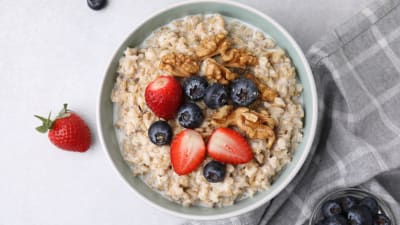
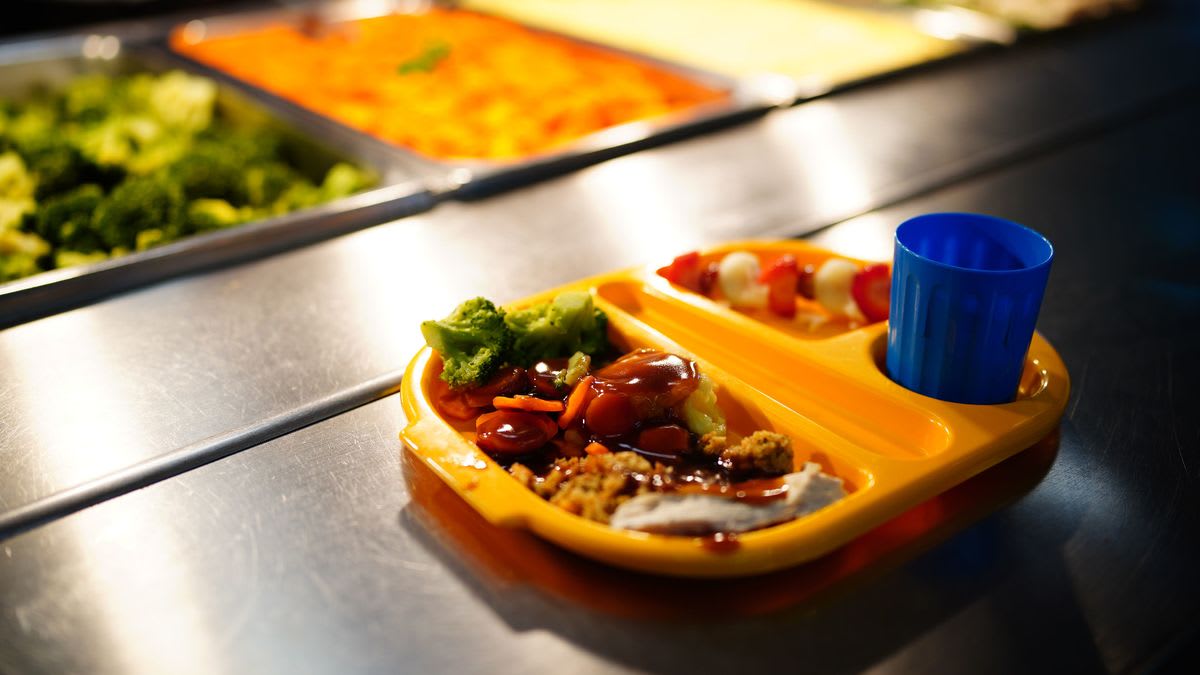
Remember what school lunch looked like when you were growing up? For many of us, cafeteria trays were dominated by processed staples, beige carbohydrates, and perhaps an obligatory scoop of canned peas that rarely got eaten. Fortunately, the landscape of institutional dining is undergoing a profound and welcome transformation. Cardiff Council has officially announced a comprehensive overhaul of its primary school dinner menus, set to launch across all primary schools starting November 2. Designed to align with updated nutritional guidelines, the revamped menu places a vibrant emphasis on wholesome, nutrient-dense ingredients—most notably an abundance of fresh fruit, crisp vegetables, fiber-packed wholegrains, and plant-based proteins such as hearty beans and pulses.
This initiative represents far more than a simple culinary tweak. By systematically upgrading what lands on children's lunch plates, Cardiff is actively addressing the twin challenges of childhood wellness and long-term preventative health. Let us take a closer look at what these changes mean for young learners, why the science behind plant-forward eating in schools is so compelling, and how families can apply these very same principles in their own kitchens.
What Is Changing on Cardiff Primary School Plates?
Starting November 2, every primary school under Cardiff Council's purview will transition to a modern menu centered on whole, minimally processed ingredients. The core pillars of this transition reflect a deliberate departure from heavy, saturated-fat-laden meals in favor of dynamic, plant-rich nutrition:
- Abundant Fruits and Vegetables: Pupils will be offered a wider, colorful variety of produce every day, reinforcing the habit of eating across the color spectrum.
- Complex Wholegrains: Refined white grains are taking a back seat to complex wholegrain alternatives that deliver sustained energy throughout the afternoon.
- Plant-Based Proteins: Children will see regular appearances of pulses, beans, and legumes, providing high-quality protein alongside essential micronutrients and prebiotic fiber.
By modernizing its food services, Cardiff is ensuring that public school dining rooms serve as an extension of the classroom—a place where lifelong positive relationships with real food are fostered from an early age.
The Nutritional Science: Why Wholegrains and Legumes Matter for Kids
When adults hear terms like 'plant-based protein' or 'wholegrain intake,' they often think of modern dietary trends. However, for growing children, these foods represent foundational nutritional architecture. The pediatric benefits of integrating pulses and complex carbohydrates into the school day are thoroughly supported by clinical insights and metabolic science.
1. Sustained Cognitive Energy and Focus
The standard modern diet is notoriously heavy in refined starches, which digest rapidly into simple sugars. For a student, a lunch high in refined flour or added sugars causes a rapid spike in blood glucose, followed almost inevitably by a sharp afternoon slump. This post-lunch crash coincides precisely with the hours when children are expected to concentrate on reading, mathematics, and creative tasks. Wholegrains, by contrast, break down slowly into the bloodstream, supplying a steady stream of glucose to the brain and helping students maintain focus right until the final bell rings.
2. Gut Health and the Microbiome
Beans, lentils, and chickpeas are loaded with soluble and insoluble dietary fiber, as well as resistant starches. These compounds travel largely intact to the large intestine, where they feed beneficial gut bacteria. A thriving gut microbiome in early childhood is increasingly linked to robust immune defense, reduced systemic inflammation, and even balanced neurotransmitter production, which plays a subtle yet pivotal role in emotional regulation.
3. Establishing Early Palate Diversity
Children's taste preferences are remarkably plastic. When schools introduce flavorful preparations of beans, lentils, and diverse greens, they normalize these foods during a critical developmental window. Kids who regularly consume fiber-dense, earthy foods are significantly less likely to develop severe food neophobia (fear of new foods) and far more likely to make wholesome dietary choices as independent teenagers and adults.
Transforming the Cafeteria Culture
Changing institutional menus is never without logistical hurdles. Children can be notoriously particular eaters, and school nutritionists know that nutrition is only effective if pupils actually eat what is served. To make this shift successful, councils and school catering teams are leaning into creative, child-friendly presentations. Rather than simply serving a plain side of boiled beans, modern school chefs are incorporating pulses into familiar favorites—such as rich lentil-infused pasta sauces, mild chickpea curries, bean-and-corn wraps, and hearty vegetable stews.
This approach gently expands the student palate without creating unnecessary friction. It also dispels the persistent myth that plant-forward meals are bland, uninspired, or insufficient to satisfy active, growing kids. When cooked with aromatics and paired with vibrant produce, pulses deliver both culinary delight and substantial satiety.
Practical Tips: Bringing Cardiff's Philosophy Into Your Home
Whether your children attend school in Cardiff or you simply want to upgrade your family's everyday nutrition, the principles behind this initiative are universally applicable. Here are practical, realistic ways to mirror these nutritious school menus at home without overwhelming your routine:
- Practice the Half-and-Half Strategy: If your children are skeptical of unfamiliar foods, blend them into familiar meals. Mix cooked brown rice half-and-half with white rice, or swap half the ground meat in a chili or bolognese with cooked brown lentils or pureed black beans.
- Rethink the Snack Drawer: Keep whole foods front and center. Roasted chickpeas seasoned with paprika, whole-wheat pita with hummus, or crisp apple slices paired with sunflower seed butter make fantastic after-school refuel options.
- Involve Kids in the Process: Children are far more invested in eating foods they helped prepare. Let them wash vegetables, measure out dry beans, or assemble their own grain-and-veggie bowls with colorful toppings.
- Focus on Color Over Perfection: Encourage your kids to build a 'rainbow plate.' Aiming for two distinct colors of fruit or vegetables at every main meal is an intuitive, fun game that shifts the focus away from restrictive dieting toward nutritional abundance.
Key Takeaways
- Cardiff's Forward Step: All primary schools across Cardiff will roll out updated, nutritionally aligned menus starting November 2.
- Nutritional Highlights: The new menus prioritize higher daily volumes of fruit, fresh vegetables, wholegrains, and plant-based proteins like beans and pulses.
- Classroom Benefits: Meals rich in complex carbohydrates and steady-release plant protein prevent afternoon energy dips, supporting sharper focus and better academic stamina.
- Long-Term Health: Early exposure to dietary fiber and plant diversity nurtures a healthy microbiome and lays the groundwork for lifelong disease prevention.
Looking Ahead to a Healthier Generation
Cardiff Council's proactive revision of primary school meals is a commendable model for modern public health intervention. By actively investing in the quality of school food, communities send a powerful message to the next generation: nourishing your body with wholesome, vibrant, and natural foods is not a chore—it is the foundation for feeling, learning, and living your best. As November 2 approaches, parents and educators alike can look forward to dining halls that empower children one delicious, nutrient-packed bite at a time.
Source Attribution: Article content originally reported by Jonathon Hill. Read original story coverage on Jonathon Hill →

Elena Rostova
WelloraDaily Editorial Team