Why Cereal and Bread Could Actually Be Good for You: The Science of Quality Over Processing
Walk down any modern supermarket aisle, and you are likely to feel a wave of nutritional anxiety. For years, wellness headlines and trending diet books have urged us to wage war on carbohydrates. More recently, that war expanded to include anything labeled "ultra-processed." Bread and breakfast cereal, long-standing breakfast table staples, quickly became public enemy number one. But what if our collective rush to eliminate these everyday staples has caused us to miss the bigger picture?
A growing body of scientific inquiry is prompting nutritionists to rethink blanket bans on processed carbohydrates. Recent research reveals a crucial distinction that could fundamentally shift how we look at our plates: nutritional quality matters far more for your long-term health than the sheer level of processing a food undergoes. This breakthrough perspective offers not only a sigh of relief for carbohydrate lovers, but also a practical, science-backed roadmap for building a balanced diet without unnecessary restriction.
The Problem with the Ultra-Processed Blanket Label
To understand why staple carbohydrates like bread and cereal are reclaiming their place in healthy eating patterns, we have to look at how modern food is categorized. Over the past decade, public health discussions have heavily relied on classification frameworks like the NOVA system, which organizes foods into four groups based on how industrially modified they are—from unprocessed raw items to ultra-processed foods (UPFs).
While the ultra-processed designation was designed to highlight hyper-palatable convenience foods laden with artificial additives, industrial trans fats, and excess sodium, it inadvertently created a major blind spot. Under strict processing metrics, a whole-grain loaf made with fortified flour and yeast can end up lumped into the exact same ultra-processed category as a brightly colored soda, a commercial candy bar, or packaged cheese puffs.
Clearly, these foods do not interact with your physiology in the same way. When researchers look strictly at long-term health outcomes—such as cardiovascular longevity, metabolic markers, and digestive health—the data consistently shows that the actual nutrient density of a food carries significantly more weight than the industrial steps required to make it.
Nutrient Density: What Truly Drives Long-Term Vitality
Why does nutritional quality reign supreme? Because the human body operates on biochemistry, responding directly to the macro- and micronutrients absorbed through digestion. When a food supplies abundant dietary fiber, essential vitamins, minerals, and complex carbohydrates, those positive biological benefits easily outweigh the fact that the grain was milled or packaged in a facility.
Consider what high-quality bread and cereals bring to the metabolic table:
- Sustained Dietary Fiber: Fiber is the single most under-consumed nutrient in modern diets. High-fiber breads and cereals slow digestion, stabilize postprandial glucose levels, reduce circulating LDL cholesterol, and nourish the diverse microbes living in your gut microbiome.
- Critical Micronutrient Fortification: For generations, public health initiatives have utilized grain fortification to protect populations from debilitating nutritional deficiencies. Iron, folic acid, thiamine, riboflavin, and niacin found in fortified breads and cereals remain vital sources of daily energy production and cellular repair.
- Complex Carbohydrate Energy: Whole and minimally refined grains break down gradually, supplying working muscles and brain tissue with a steady, reliable stream of glycogen rather than erratic sugar spikes.
The Tale of Two Carbs: Decoding Breads and Cereals
Recognizing that processing alone does not make a food unhealthy does not mean every box in the cereal aisle gets a free pass. The real secret lies in knowing how to distinguish high-quality staples from dessert disguised as breakfast.
What Makes a Cereal Genuinely Nutritious?
Many traditional breakfast cereals are based on whole oats, shredded whole wheat, or toasted bran. These options are naturally dense in beta-glucan—a potent soluble fiber linked to improved heart health—and deliver sustained satiety. The trouble begins when a cereal trades whole-grain integrity for added refined sugars, artificial flavorings, and minimal fiber. Evaluating a cereal by its ingredient list and nutrient panel reveals whether it supports metabolic health or simply spikes your morning blood sugar.
Rethinking Daily Bread
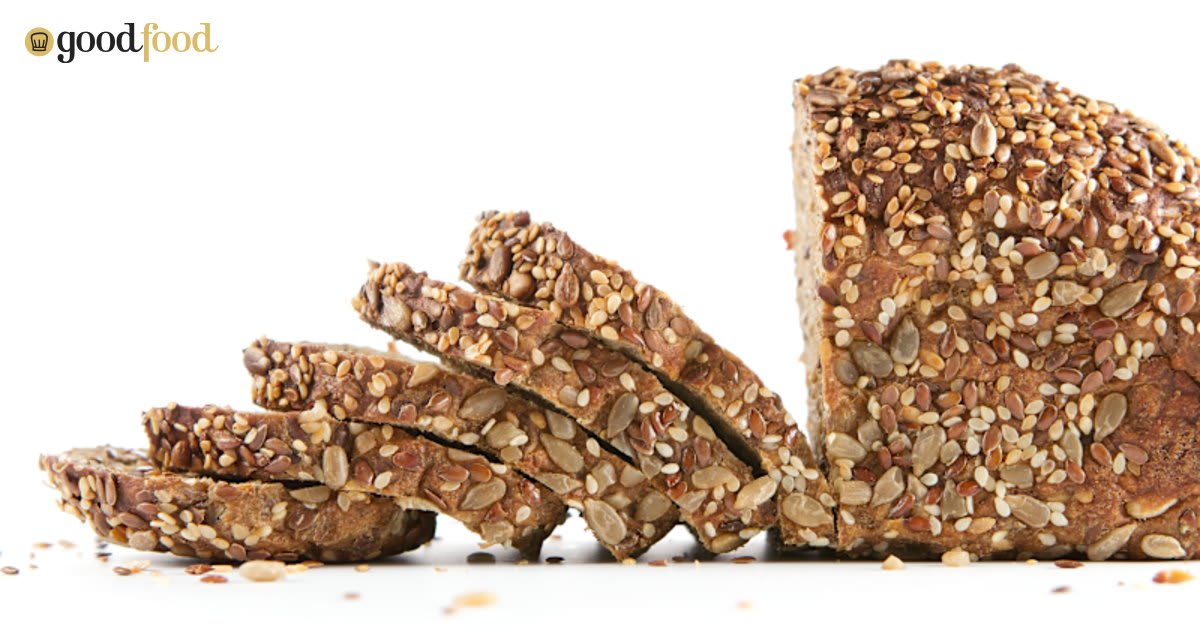
Bread has nourished human civilizations for millennia, yet modern bread-phobia often treats a humble slice of whole wheat or traditionally fermented sourdough as a nutritional hazard. Whole-grain breads retain the germ and bran, packing polyphenols, magnesium, and insoluble fiber into every bite. Even naturally fermented sourdough offers unique digestive perks: the slow fermentation process degrades phytates, making key minerals more bioavailable and rendering the gluten easier on sensitive digestive tracts.
How to Shop for Quality Over Processing Hype
Navigating the grocery store does not require cutting out entire food groups. Instead of abandoning convenient staples, use these simple, practical strategies to select nutrient-dense options with confidence:
- Apply the 5-to-1 Carbohydrate-to-Fiber Rule: When reading nutrition facts on bread or cereal, check the total carbohydrate grams against dietary fiber grams. Aim for at least 1 gram of fiber for every 5 to 10 grams of total carbohydrates. A low ratio indicates a complex, slow-burning carbohydrate source.
- Prioritize the First Ingredient: Look for the word "whole" right at the top of the ingredient panel—such as whole wheat flour, whole rolled oats, or sprouted whole rye. If the first ingredient is refined flour or sugar, nutritional quality is compromised.
- Watch Hidden Added Sugars: Many breakfast cereals and pre-sliced sandwich breads contain surprising amounts of cane sugar, high-fructose corn syrup, or concentrated fruit juices. Seek out cereals with fewer than 5 grams of added sugar per serving.
- Pair with Protein and Healthy Fats: Maximize the metabolic benefits of your morning cereal or toast by pairing it with protein-rich Greek yogurt, a dollop of unsweetened almond butter, chia seeds, or a poached egg. This blunt-forces glycemic impact and prolongs satiety throughout the morning.
Key Takeaways for Your Daily Plate
The conversation around wellness is gradually moving past rigid, black-and-white food rules—and that is wonderful news for sustainable health. Processing is not inherently dangerous, and wholesome convenience foods are indispensable tools for nourishing busy families.
Ultimately, your body cares about the vitamins, minerals, and prebiotic fibers delivered in your daily meals. By choosing whole, fortified, low-sugar varieties of bread and cereal, you can comfortably enjoy your morning bowl or afternoon sandwich knowing you are investing in your long-term health, vitality, and peace of mind.
Source Attribution: Article content originally reported by Sarah Knapton. Read original story coverage on Sarah Knapton →

Elena Rostova
WelloraDaily Editorial Team