Chlorella Explained: Inside the Ancient Green Superfood Powering Modern Wellness
Have you ever looked at a quiet freshwater pond and realized that the microscopic organisms thriving beneath the surface might hold the blueprint for human vitality? For decades, mainstream wellness focused on leafy greens like kale and spinach to anchor our daily micronutrient intake. Yet, an ancient single-celled green alga called chlorella has quietly earned the reputation of being one of the most nutritionally complete foods on the planet.
Dating back more than two billion years, chlorella is a survivor. While it took millions of years for terrestrial plants to develop, this microscopic freshwater algae mastered photosynthesis and cellular regeneration long before anything walked on land. Today, modern clinical research is catching up to what holistic practitioners have championed for generations: chlorella isn't just an ordinary supplement—it is a functional whole-food powerhouse.
What Exactly Is Chlorella?
Chlorella is a single-celled, spherical freshwater microalgae belonging to the division Chlorophyta. The two most common species used in dietary nutrition are Chlorella vulgaris and Chlorella pyrenoidosa. Because of its microscopic size, it wasn't discovered by scientists until the late 19th century, when Dutch microbiologist Martinus Willem Beijerinck first isolated it in 1890.
Following World War II, global researchers briefly considered chlorella as a potential answer to global food shortages due to its rapid reproduction rate and staggering protein content. While mass cultivation posed logistical challenges at the time, advanced aquaculture techniques have now made pure, high-potency chlorella widely accessible worldwide.
The Nutritional Anatomy: What Makes It a Powerhouse?
Many foods claim the superfood title, but few possess an analytical profile quite like chlorella. When dried and analyzed, this humble organism delivers an extraordinary concentration of macro- and micronutrients in every single gram.
- Complete Plant-Based Protein: Chlorella is composed of approximately 50% to 60% complete protein by weight. Unlike many plant proteins, it delivers all nine essential amino acids that your body cannot synthesize independently, making it an exceptional resource for plant-focused eaters and athletes.
- World-Class Chlorophyll Concentration: The name chlorella is derived from the Greek word chloros, meaning green, and it lives up to the moniker. It contains one of the highest known concentrations of chlorophyll among all living plants, providing potent antioxidant and purifying properties.
- Essential Fatty Acids: It provides valuable omega-3 fatty acids, including alpha-linolenic acid (ALA), supporting cellular membrane integrity, brain performance, and systemic inflammation balance.
- Bioavailable Vitamins and Minerals: Chlorella is packed with bioavailable iron, magnesium, zinc, potassium, and provitamin A (beta-carotene). Notably, certain forms of chlorella contain active, bioavailable Vitamin B12—a rare find in plant sources.
Core Health Benefits Backed by Emerging Science
Integrating chlorella into your daily routine is about more than hitting your daily micronutrient targets; it offers targeted physiological benefits that support long-term wellness.
1. Natural Heavy Metal Binding and Detoxification
Our modern environment exposes us to an unprecedented level of environmental toxins, from airborne pollutants to trace heavy metals in our drinking water and food supply. Chlorella has demonstrated a natural affinity for binding to toxins, such as cadmium, lead, and mercury, in a process known as biosorption or gentle chelation.
Its unique cellular structure allows it to bind to these unwanted compounds in the digestive tract, preventing them from being absorbed into the bloodstream and facilitating their safe elimination through normal metabolic pathways.
2. Immune Defense and Resilience
Research suggests that regular chlorella consumption can stimulate immune activity. Clinical studies have shown that chlorella supplementation helps enhance the activity of Natural Killer (NK) cells and increases levels of secretory immunoglobulin A (sIgA)—a primary antibody that acts as the immune system's frontline defense in the mucosal lining of the mouth and gut.
3. Cardiovascular and Metabolic Support
Maintaining balanced blood lipid markers and arterial elasticity is essential for healthy aging. Multiple human trials have indicated that daily chlorella intake helps maintain healthy total cholesterol and LDL levels, while simultaneously supporting optimal blood pressure and fasting blood glucose management.
The combination of dietary fiber, antioxidant carotenoids, and arginine within the algae works synergistically to support vascular endothelial health and reduce oxidative stress throughout the cardiovascular system.
The Critical Importance of the 'Broken Cell Wall'
If you were to harvest wild chlorella directly from fresh water and consume it, your body would extract very little nutrition from it. Chlorella is protected by a tough, fibrous outer cell wall made primarily of indigestible cellulose, which human digestive enzymes cannot break down.
To solve this, reputable manufacturers use gentle mechanical or sound-wave processing techniques to crack the outer wall without applying high heat, which could degrade heat-sensitive enzymes and vitamins. When shopping for chlorella, always ensure the label specifically indicates cracked cell wall or broken cell wall to guarantee maximum bioavailability.
Chlorella vs. Spirulina: What Sets Them Apart?
Because they are often packaged together in green superfood blends, chlorella and spirulina are frequently confused. While both are exceptional microalgae, they offer distinctly different properties:
- Habitat: Chlorella grows in freshwater, whereas spirulina is a blue-green cyanobacterium that naturally thrives in warm, alkaline salt lakes.
- Chlorophyll vs. Phycocyanin: Chlorella boasts significantly more chlorophyll, giving it a vibrant emerald tone. Spirulina contains phycocyanin, an antioxidant protein pigment that lends it a deep, bluish hue.
- Digestibility: Spirulina has a soft, digestible outer wall made of protein, meaning it doesn't require mechanical cracking. Chlorella requires cracking, but in exchange offers robust binding capabilities for heavy metals.
How to Safely Integrate Chlorella into Your Daily Routine
Because chlorella is a concentrated whole food, taking a thoughtful approach when introducing it to your diet will yield the best results.
Choose Your Preferred Format
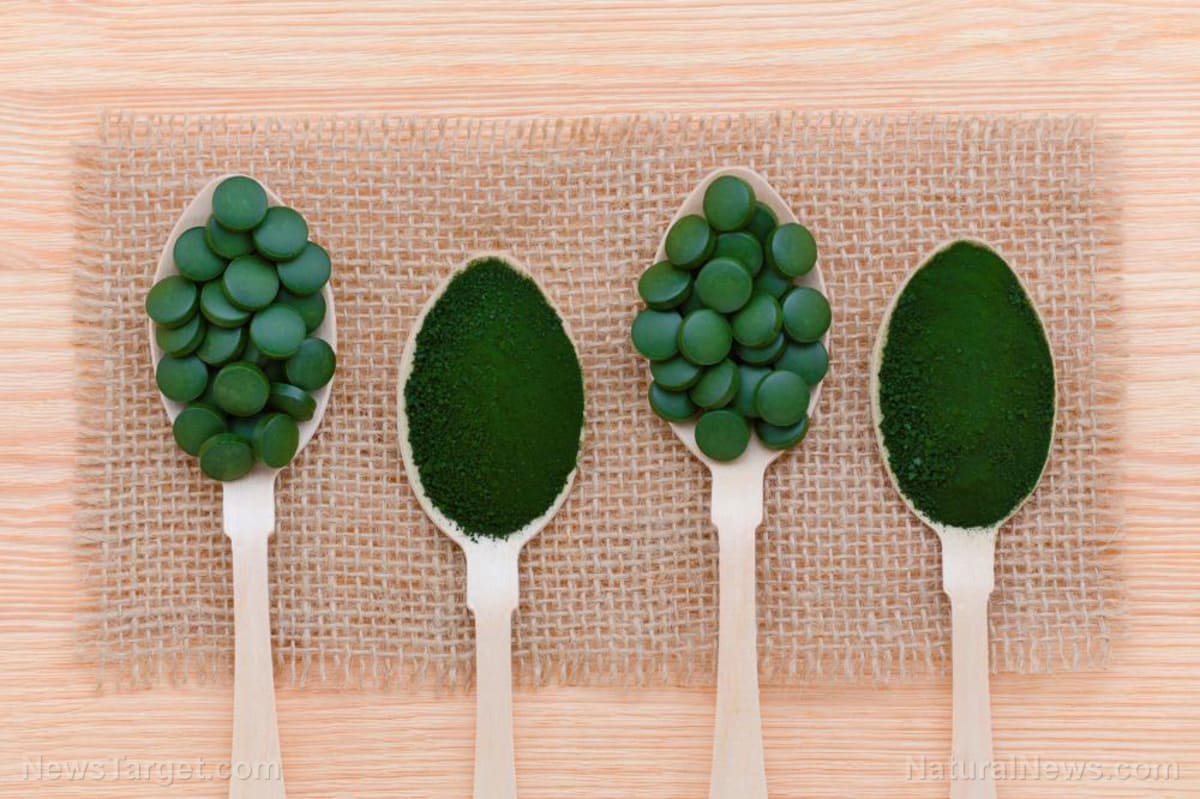
Chlorella is widely available in two popular forms: fine powder and compressed whole-food tablets. If you enjoy blending morning smoothies or whisking greens into homemade salad dressings, powder is versatile and easy to measure. If you prefer convenience on the go, tablets provide a straightforward, taste-neutral alternative.
Start Low and Go Slow
Because of its potent detoxifying and fiber-rich profile, introducing large amounts too quickly can occasionally cause mild gastrointestinal adjustments, such as bloating or slight nausea. Begin with a modest dose—around 1 to 2 grams per day—for the first week. Once your digestive system has acclimated, you can comfortably increase to a standard daily intake of 3 to 5 grams.
Prioritize Purity and Testing
Algae naturally absorbs everything present in its growing environment. Therefore, sourcing is paramount. Look for brands that cultivate their chlorella in closed, controlled, food-grade glass tubes or pure outdoor freshwater tanks. Verify that the product is certified organic and independently third-party tested for heavy metals, microcystins, and bacterial pathogens.
Key Takeaways for Your Daily Practice
- Nutrient-Dense Giant: Chlorella delivers 50% to 60% complete bioavailable protein, rich omega-3s, and the highest concentration of chlorophyll in the plant world.
- Toxin Defense: Its cellular matrix naturally binds to heavy metals and environmental toxins, supporting natural elimination pathways.
- Absorption Matters: Always verify that your supplement uses cracked or broken cell wall technology to ensure proper digestion.
- Purity is Non-Negotiable: Select clean, third-party lab-verified products to guarantee your algae is free of contaminants.
In a world where modern soil depletion often leaves everyday vegetables with fewer micronutrients than decades past, turning to resilient, single-celled superfoods provides a simple, bio-available solution. Adding a modest spoonful of chlorella to your daily routine might just be the small, green habit that transforms your overall vitality.
Source Attribution: Article content originally reported by Naturalnews.com. Read original story coverage on Naturalnews.com →

Elena Rostova
WelloraDaily Editorial Team