Ditch the Calorie Counting: How Tim Spector’s Science-Backed Approach Rewrites Sustainable Weight Loss
Every year as the holiday season approaches, millions find themselves locked in the familiar, exhausting tug-of-war between restriction and indulgence. We are repeatedly told that shedding pounds requires white-knuckle discipline, microscopic tracking apps, and relentless calorie subtraction. Yet, emerging research and real-world transformations are turning that conventional narrative on its head. Consider Becky Tucker: once weighing more than 160 pounds and standing on the threshold of obesity, she felt trapped in the cycle of short-lived diets and rebound weight gain. Today, Becky is practically unrecognizable, having completely transformed her body and relationship with food not by starving herself, but by embracing the groundbreaking nutritional framework pioneered by Professor Tim Spector and the ZOE program.
Professor Tim Spector, an acclaimed epidemiologist at King's College London and co-founder of the personalized nutrition initiative ZOE, has spent years dismantling the antiquated “calories in, calories out” dogma. His message is refreshingly clear: long-term metabolic health is not dictated by deprivation. Instead, it is governed by the quality of the food you consume, how that food interacts with your unique biology, and crucially, how well you nourish the trillions of microbes residing in your digestive system.
The Fallacy of Calorie Obsession
For decades, nutritional advice treated the human metabolism like a bomb calorimeter—a simple thermodynamic machine where 100 calories of cookies equaled 100 calories of raw almonds. But real human physiology is infinitely more complex. When you dramatically slash calories, your body instinctively fights back by lowering your basal metabolic rate, elevating your hunger hormone (ghrelin), and suppressing your satiety hormone (leptin). This metabolic adaptation is why conventional diets boast such notoriously high failure rates over the long term.
As Professor Spector’s extensive research demonstrates, identical twins eating the exact same meal can have vastly different metabolic reactions. One individual might experience a sharp glucose spike and sustained blood fat elevation, while the other processes the meal smoothly without triggering inflammation or fat-storage pathways. Becky Tucker’s success lay in abandoning the calorie spreadsheet in favor of eating strategically for her internal ecosystem.
The Secret Weapon: Feeding Your Gut Microbiome
At the beating heart of Spector’s nutritional philosophy is the gut microbiome—the bustling metropolis of bacteria, fungi, and microbes that inhabit the large intestine. These microbes are not passive bystanders; they synthesize essential vitamins, regulate systemic inflammation, train your immune system, and produce short-chain fatty acids (SCFAs) like acetate, propionate, and butyrate. SCFAs signal directly to your brain that you are full, naturally curbing overeating without the misery of artificial portion control.
When you starve your body on a typical low-calorie diet, you inadvertently starve your microbiome. Deprived of essential prebiotic fiber, the diversity of your gut flora collapses, triggering low-grade chronic inflammation and impaired insulin sensitivity. By shifting focus from calorie quantity to microbial diversity, individuals like Becky foster a thriving internal environment that optimizes metabolism effortlessly.
Core Pillars to Transform Your Health Without Counting Calories
Adopting Professor Spector’s evidence-based approach does not require exotic powders or extreme fasting regimens. Instead, it revolves around practical, foundational adjustments that work in harmony with your body’s natural rhythms.
1. Target 30 Different Plant Varieties Each Week
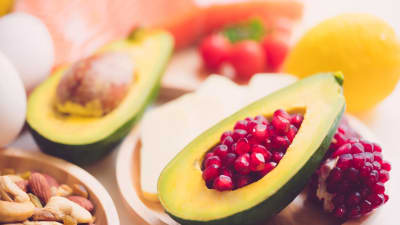
Rather than obsessing over what to eliminate, focus on what you can add. Spector’s research through the American Gut Project revealed that individuals who consume at least 30 distinct plant varieties weekly possess significantly richer, more diverse microbiomes than those consuming 10 or fewer. Importantly, “plants” do not just mean leafy greens; the count includes:
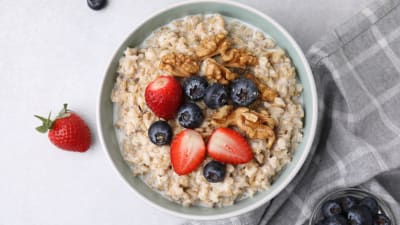
- Whole vegetables and fruits: Berries, brassicas, squash, and citrus.
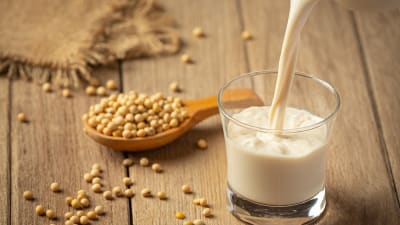
- Legumes and pulses: Lentils, chickpeas, black beans, and edamame.
- Nuts and seeds: Walnuts, flaxseeds, chia seeds, and pumpkin seeds.
- Whole grains: Quinoa, farro, buckwheat, and wild rice.
- Herbs and spices: Rosemary, turmeric, cinnamon, and fresh parsley.
2. Integrate Fermented Superfoods Daily
Fermented foods act as living probiotics, introducing beneficial active bacterial strains that reinforce gut barrier integrity. Regularly enjoying modest servings of traditionally fermented foods helps suppress systemic inflammation, balances blood sugar spikes, and supports emotional well-being via the gut-brain axis. Excellent options include authentic live-culture yogurt, kefir, unpasteurized sauerkraut, kimchi, and kombucha.
3. Ruthlessly Sidestep Ultra-Processed Foods (UPFs)
Ultra-processed foods are engineered to bypass our biological satiety signals. Loaded with artificial emulsifiers, industrial vegetable oils, and refined starches, UPFs strip away fiber while damaging the protective mucosal lining of the gut. By swapping packaged “diet” foods for whole, minimally altered ingredients, you naturally recalibrate your taste buds and hunger cues.
4. Embrace Nature’s Polyphenols
Polyphenols are protective defense compounds found in deeply colored plant foods. They serve as rocket fuel for beneficial bacteria, which transform them into potent antioxidant and anti-inflammatory compounds. Regularly savor foods rich in polyphenols, such as extra virgin olive oil, dark leafy greens, vibrant berries, green tea, and even moderate portions of high-cacao dark chocolate.
5. Practice Gentle Digestive Rest
You do not need extreme 24-hour fasts to reap the benefits of time-restricted eating. Giving your digestive tract a consistent 12- to 14-hour overnight rest—such as concluding dinner by 7:00 PM and eating breakfast after 7:00 or 8:00 AM—gives migrating motor complexes and microbial cleaning crews the uninterrupted time they need to sweep through the gastrointestinal tract and repair tissues.
Key Takeaways for Long-Term Vitality
- Focus on food quality over caloric quantity: The biological impact of real food transcends simple math.
- Diversity is resilience: Aim to rotate a rainbow of whole grains, seeds, vegetables, and herbs across your weekly menu.
- Nourish your inner ecosystem: Incorporate live fermented foods daily to support digestion and metabolic balance.
- Listen to your body’s feedback: Notice post-meal energy slumps, brain fog, and genuine satiety to tailor your individual habits.
Becky Tucker’s incredible transformation stands as living proof that real, lasting wellness does not demand chronic deprivation or life-draining calorie math. By shifting your perspective toward celebrating vibrant, diverse, whole foods, you can cultivate vibrant metabolic health and enter any season feeling revitalized, satisfied, and fully in control.
Source Attribution: Article content originally reported by Jo Macfarlane. Read original story coverage on Jo Macfarlane →

Elena Rostova
WelloraDaily Editorial Team