Eating Home-Cooked Meals Daily? Why You Might Still Be Missing Essential Nutrients
The Home-Cooking Paradox: When Clean Eating Still Leaves Gaps
There is a distinct sense of pride that comes with cooking your own meals from scratch. You measure the olive oil, avoid the hidden sodium bombs lurking in takeout containers, and skip the ultra-processed preservatives found in boxed convenience food. For years, public health messaging has echoed a straightforward principle: if you cook at home, you are doing your health a massive favor.
While preparing food in your own kitchen remains one of the single best investments you can make for your metabolic health, it comes with an unexpected blind spot. Many dedicated home cooks are surprised to discover that a diet built entirely on home-prepared meals can still harbor significant micronutrient deficiencies. Making meals at home guarantees control over ingredients, but it does not automatically guarantee nutritional completeness.
Understanding why these nutritional gaps emerge is not about dismantling your home-cooking habits. Rather, it is about identifying invisible dietary blind spots and fine-tuning your culinary routines to ensure your body actually receives the cellular fuel it requires.
The 'Monotony Trap': Why Familiarity Limits Micronutrients
Most home cooks operate with a mental repertoire of five to seven reliable recipes. Week after week, grocery carts fill with the exact same basket of staples: boneless skinless chicken breasts, broccoli florets, white rice, pasta, yellow onions, and bagged baby spinach. It is convenient, minimizes food waste, and keeps weeknight stress low.
However, human physiology thrives on biodiversity. Our ancestors regularly consumed hundreds of distinct botanical species, roots, seeds, and wild game throughout the seasons. In contrast, modern agricultural systems prioritize uniformity, and our domestic grocery habits narrow that spectrum even further. When you consume the same rotation of produce and proteins week in and week out, you systematically miss out on the distinct phytonutrients, trace minerals, and enzyme profiles unique to other food families.
Furthermore, your gut microbiome depends directly on dietary diversity. The trillions of microbes residing in your digestive tract rely on distinct types of dietary fiber and polyphenols. Feeding them the same handful of ingredients limits the proliferation of beneficial bacterial strains, which in turn can diminish gut-barrier function and your ability to absorb nutrients efficiently.
The Science of Nutrient Loss in the Pan
Even when your ingredient list looks stellar on paper, what happens between the cutting board and the dining table matters immensely. Food preparation and cooking methods wield immense power over the bioavailability of vitamins and minerals.
The Vulnerability of Water-Soluble Vitamins
Vitamins C and the B-complex group (such as folate, thiamine, and riboflavin) are notably delicate and water-soluble. When vegetables like green beans, carrots, or broccoli are submerged in boiling water, significant percentages of these vital nutrients leach out into the cooking water. If that water is discarded down the sink, a major portion of the vegetable's nutritional benefit goes right along with it.
Heat and Oxidation
Prolonged exposure to high heat and open air triggers oxidation. While gentle cooking breaks down tough cell walls and makes certain compounds more available—such as lycopene in tomatoes or beta-carotene in carrots—overcooking leafy greens or roasting delicate cruciferous vegetables until completely blackened can degrade heat-sensitive antioxidants and volatile phytochemicals.
The Fat-Soluble Absorption Barrier
Vitamins A, D, E, and K are fat-soluble, meaning they require the presence of dietary lipids to be absorbed through the intestinal wall. In an effort to keep meals light and lean, many well-intentioned home cooks steam vegetables and serve them completely bare, or rely solely on ultra-lean protein cuts. Without adequate healthy fats present in the meal, a significant portion of those fat-soluble vitamins passes through your digestive tract completely unabsorbed.
The Most Common Nutrients Missing from Home-Cooked Diets
When dietary routines settle into predictable patterns, specific micronutrients tend to quietly drop below optimal levels. Here are the most common culprits:
- Magnesium: Critical for over 300 biochemical reactions including energy production, muscle function, and sleep quality. Modern intensive farming methods have reduced soil mineral levels, meaning conventional produce often contains lower concentrations of magnesium. Unless you intentionally incorporate pumpkin seeds, legumes, dark leafy greens like Swiss chard, and unprocessed whole grains, you may run low.
- Omega-3 Fatty Acids (EPA and DHA): Crucial for cardiovascular integrity and brain health. Standard home-cooked meals frequently feature land-based proteins raised on grain diets, which are naturally rich in pro-inflammatory omega-6 fats but virtually devoid of omega-3s. Without wild-caught oily fish (such as mackerel, sardines, and wild salmon) appearing at least twice weekly, omega-3 levels steadily decline.
- Potassium: Essential for balancing cellular fluids and regulating blood pressure. The recommended daily intake for adults sits around 2,600 to 3,400 milligrams—a high bar that is difficult to reach unless your plate is consistently loaded with potassium-rich staples like avocados, sweet potatoes, beet greens, and white beans.
- Choline: Vital for liver function, cell membrane structure, and neurotransmitter synthesis. Choline is primarily concentrated in egg yolks, organ meats, and cruciferous vegetables. Diets relying heavily on egg-white substitutes and standard poultry cuts often fall well short of the recommended daily intake.
- Active Vitamin D3 and B12: While B12 is abundant in red meat and seafood, those who prepare plant-centric or poultry-heavy meals at home without fortified foods often run into borderline deficiencies. Vitamin D, meanwhile, is notoriously difficult to acquire through diet alone, regardless of how often you cook.
Actionable Strategies to Upgrade Your Kitchen's Nutrient Density
You do not need to overhaul your entire lifestyle to solve these nutritional gaps. Small, deliberate adjustments to your sourcing, preparation, and culinary variety can yield profound improvements in your daily nutrient intake.
1. Target the 30-Plant Weekly Goal
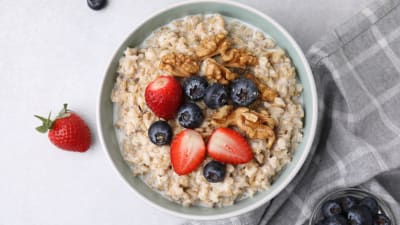
Set a weekly challenge to consume 30 distinct plant foods over seven days. While thirty sounds intimidating at first glance, remember that every unique spice, herb, whole grain, nut, seed, and legume counts toward this total. Adding a sprinkle of chia seeds to morning oats, throwing chopped cilantro and parsley into a stew, or switching between red, green, and purple cabbage rapidly builds diversity without requiring complex new recipes.
2. Master Nutrient-Preserving Cooking Techniques
Shift your cooking habits away from aggressive boiling. Instead, opt for quick steaming, light waterless sautéing, or gentle braising where the cooking liquids are preserved and consumed (such as in soups, broths, and stews). If you do boil root vegetables or greens, repurpose the nutrient-rich leftover liquid as a base for sauces or grains.
3. Leverage Food Synergy for Enhanced Bioavailability
Certain nutrients work in biological lockstep, requiring partner compounds to maximize absorption. Capitalize on these natural pairings:
- Iron and Vitamin C: Non-heme iron from plant sources like lentils, beans, and spinach is difficult for the body to absorb on its own. Squeezing fresh lemon juice over sautéed greens or adding bell peppers to a bean chili dramatically boosts iron uptake.
- Fat-Soluble Vitamins and Healthy Lipids: Always dress your salads and roasted vegetables with a generous splash of extra virgin olive oil, avocado slices, or crushed nuts to ensure vitamins A, E, and K are fully assimilated.
- Turmeric and Black Pepper: Curcumin, the active antioxidant in turmeric, has notoriously poor bioavailability unless paired with piperine—a compound found in ground black pepper—which enhances its absorption exponentially.
4. Broaden Your Protein Horizons
Step outside the standard chicken breast and ground beef rotation. Integrate canned or fresh small oily fish like sardines, anchovies, or wild salmon to secure marine-based omega-3s. Experiment with pasture-raised whole eggs, which contain concentrated reserves of choline, lutein, and zeaxanthin within the yolk. If you cook plant-based proteins, rotate between diverse legumes, tempeh, hemp seeds, and lentils rather than relying strictly on single-source isolates.
Key Takeaways for the Mindful Home Cook
- Cooking at home is an incredible foundation, but ingredient repetition and routine can easily blind you to specific micronutrient shortfalls.
- Nutrient loss during cooking is real: protect water-soluble vitamins by minimizing boiling, and always include healthy fats to unlock fat-soluble nutrients.
- Prioritize variety over perfection: aiming for a broader spectrum of botanical species each week supports both metabolic health and gut microbiome resilience.
- Pair smart: combine foods deliberately (like citrus with greens or olive oil with raw vegetables) to multiply their individual nutritional impacts.
Preparing meals at home remains one of the most empowering health choices available to you. By introducing a wider array of whole foods, fine-tuning your culinary methods, and approaching your grocery basket with intentional curiosity, you can ensure that your home-cooked meals deliver every bit of nourishment your body deserves.
Source Attribution: Article content originally reported by Tanya. Read original story coverage on Tanya →

Elena Rostova
WelloraDaily Editorial Team