Harnessing Ancient Grains: How Extruded Amaranth Porridge Is Redefining Childhood Nutrition
Childhood undernutrition remains one of the most pressing public health crises of our time, silently shaping the growth trajectories, immune systems, and cognitive potential of millions of young children worldwide. In regions like Tanzania, moderate acute malnutrition (MAM) poses a chronic, heartbreaking dilemma. While children suffering from MAM do not always display the dramatic clinical signs seen in severe wasting, their bodies are under immense physiological stress, leaving them exceptionally vulnerable to common infections, delayed development, and lasting metabolic deficits.
For decades, the global health framework has relied on fortified blended foods (FBFs) and ready-to-use supplementary foods (RUSFs) to rehabilitate children facing nutritional deficits. While these products save lives, they come with a profound structural flaw: they are almost entirely dependent on imported ingredients like refined soy, dry skimmed milk, and specialized vitamin premixes. When global shipping networks stutter or humanitarian funding tightens, local clinics frequently face depleted inventories. A groundbreaking study published in Frontiers shines a bright light on an empowering, homegrown alternative: an extruded instant porridge crafted from grain amaranth.
The Critical Window of Moderate Acute Malnutrition
In pediatric medicine, moderate acute malnutrition is defined by a low weight-for-height ratio or a reduced mid-upper arm circumference (MUAC). Occurring predominantly between six months and five years of age, MAM coincides directly with the weaning period—a fragile transition where breast milk alone is no longer sufficient to meet a toddler’s rapid caloric and micronutrient needs.
When supplementary foods are diluted, low in nutrient density, or heavy in bulk starches that rapidly fill tiny stomachs without providing adequate micronutrients, children slip quietly into a catabolic state. Without swift dietary intervention, MAM rapidly deteriorates into severe acute malnutrition (SAM), where mortality risks escalate dramatically. Finding sustainable, culturally embraced, and cost-effective ways to intervene before children reach this emergency threshold is the holy grail of modern community health.
Why Grain Amaranth Holds the Key
Amaranth is far from a newcomer to agriculture. Cultivated for thousands of years by ancient civilizations across the Americas and Africa, this resilient pseudo-cereal has historically thrived where conventional cereal crops struggle. From an agronomic standpoint, amaranth is remarkably drought-tolerant, resistant to pests, and capable of growing in nutrient-poor soils, making it an ideal candidate for climate-resilient agriculture.
Nutritionally, amaranth stands in a league of its own when compared to standard staple grains like maize, polished rice, or sorghum:
- Exceptional Protein Quality: Unlike maize and wheat, which are critically deficient in the essential amino acid lysine, amaranth contains a balanced amino acid profile that closely resembles animal-source proteins.
- High Micronutrient Bioavailability: Amaranth seeds are naturally packed with iron, zinc, calcium, magnesium, and phosphorus—the exact minerals vital for bone mineralization, hematopoiesis, and immune vigilance in growing toddlers.
- Beneficial Lipids: The grain contains roughly 6% to 9% healthy fats, including unsaturated fatty acids like linoleic acid and squalene, which support cellular membrane integrity and brain development.
The Science of Extrusion: Unlocking Maximum Bioavailability
Harvesting a nutrient-rich crop is only half the battle. Young children have limited gastric capacity, meaning a complementary food must deliver dense energy without excessive thickness. Furthermore, raw grains and legumes contain natural anti-nutrients—such as phytates, oxalates, and tannins—which bind tightly to essential minerals like iron and zinc, preventing their absorption in the gut.
This is where the technological marvel of extrusion cooking enters the frame. Extrusion is a high-temperature, short-time (HTST) thermo-mechanical process that subjects the grain blend to moisture, heat, and intense mechanical shear. In the Frontiers evaluation, researchers demonstrated that extruding the amaranth-based composite produced several critical nutritional transformations:
- Elimination of Anti-Nutritional Factors: The heat and pressure break down phytates and enzyme inhibitors, dramatically freeing up bound iron and zinc for intestinal absorption.
- Starch Pre-Gelatinization: Extrusion converts complex crystalline starches into digestible forms, reducing dietary bulk so children can consume sufficient calories without feeling prematurely bloated.
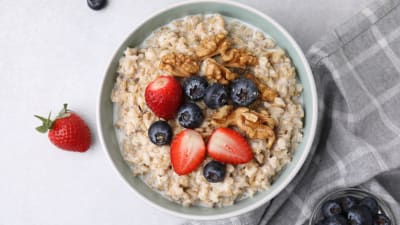
- Instant, Safe Preparation: The resulting flour is fully precooked. Caregivers need only mix it with clean warm water to create an instant porridge, bypassing the need for prolonged boiling. This saves valuable domestic fuel wood and minimizes the risk of nutrient degradation caused by repetitive overcooking.
A Paradigm Shift Toward Localized Nutritional Solutions
The nutritional evaluation published in Frontiers verified that an extruded amaranth composite porridge successfully aligns with the rigorous energy density, macronutrient ratios, and micronutrient standards mandated by global humanitarian agencies. Even more crucially, sensory evaluations confirmed high acceptability among both mothers and young children, who embraced its rich, naturally nutty flavor profile.
This discovery transcends simple laboratory metrics; it speaks directly to food sovereignty and long-term public health economics. By manufacturing supplementary therapeutic foods from domestic crops like amaranth, developing nations can liberate their public health systems from volatile foreign import markets. Local agricultural supply chains receive guaranteed demand, farmers gain consistent market access, and clinics receive an uninterrupted supply of reliable, shelf-stable rehabilitative foods.
Practical Lessons for Families and Nutrition Advocates
While this research primarily addresses therapeutic food programs, the principles revealed by the study offer invaluable takeaways for everyday wellness and conscious parenting:
- Diversify Beyond Common Cereals: Introduce ancient pseudo-cereals like amaranth, quinoa, and buckwheat into family meal plans. Their complete amino acid profiles provide protective plant-based protein for both children and adults.
- Pair Grains Wisely: Blending whole grains with indigenous legumes creates complementary protein pairings, ensuring that all nine essential amino acids are delivered without requiring expensive animal products.
- Embrace Thermal and Traditional Food Processing: Techniques like soaking, sprouting, and pressure-cooking mimic the benefits of extrusion by neutralizing phytates, elevating the bioavailability of essential dietary minerals.
The Road Ahead
The development of an extruded amaranth instant porridge serves as a powerful reminder that the answers to complex global health challenges do not always require synthetic interventions or costly international imports. Frequently, the most enduring solutions are deeply rooted in indigenous biodiversity, modern food science, and the restorative power of whole, unadulterated nourishment.
Source Attribution: Article content originally reported by Mwikwabe; Amos Steven; Martin; Haikael David; Mushi; Benson Kusirie; Kejo; Dyness Dickson. Read original story coverage on Mwikwabe; Amos Steven; Martin; Haikael David; Mushi; Benson Kusirie; Kejo; Dyness Dickson →

Elena Rostova
WelloraDaily Editorial Team