7 Fruits and Vegetables You Should Stop Peeling, According to Nutrition Experts
How often do you reach for the vegetable peeler on pure autopilot? For many of us, preparing dinner involves a rhythmic ritual: scraping away carrot peels, shaving the jackets off potatoes, and slicing the outer skin off crisp apples. We grew up being taught that peeling was cleaner, more refined, or simply what good cooks did. However, nutritional science tells a dramatically different story.
When you toss those peelings straight into the trash or compost bin, you are often discarding the most nutrient-dense part of the entire plant. Over millions of years, plants have evolved to concentrate their primary defenses—protective antioxidants, robust structural fibers, and concentrated micronutrients—in their outer skins. Stripping them away means trading away vibrant health benefits for mere cosmetic habit.
If you want to maximize your daily nutrient intake without spending an extra dime at the grocery store, here are seven everyday fruits and vegetables nutritionists urge you to leave unpeeled, along with practical tips to make unpeeled produce delicious and safe.
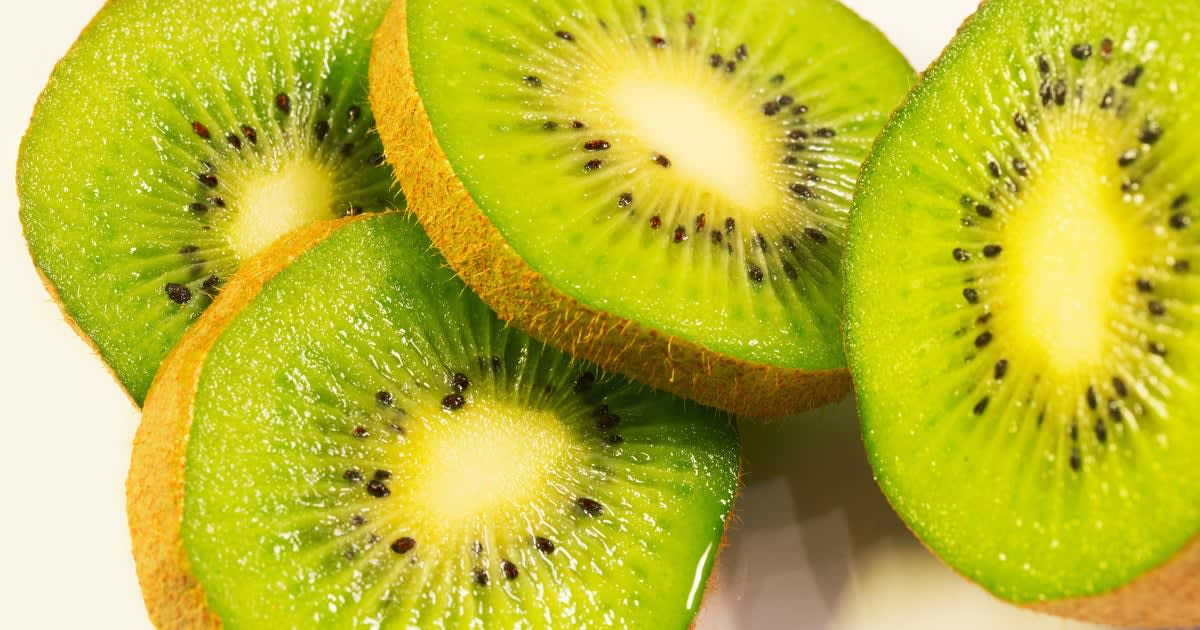
1. Kiwifruit: The Fuzzy Nutrition Powerhouse
Yes, you read that right. While the fuzzy brown jacket of a kiwi might look uninviting, eating a kiwi whole is one of the easiest ways to skyrocket your micronutrient consumption. The skin contains an extraordinary concentration of dietary fiber, particularly insoluble fiber that supports digestive health and microbial balance in your gut.
In fact, leaving the skin intact increases the fruit's total fiber content by roughly 50 percent compared to eating the scooped-out green flesh alone. Kiwi skin is also loaded with vitamin E and vitamin C, alongside protective polyphenols. If the fuzzy texture bothers you, look for golden kiwis, which have a naturally smooth, practically hairless skin, or gently rub the fuzz off a classic green kiwi under cool running water with a clean produce towel before slicing.
2. Apples: Nature's Concentrated Antioxidant Shield
Peeling an apple may yield a smooth slice, but it leaves behind the bulk of the fruit's most potent disease-fighting compounds. The vibrant red and green pigments in apple peel are powered by quercetin, a plant flavonoid known for its potent anti-inflammatory properties and its role in supporting cardiovascular and respiratory health.
Furthermore, an unpeeled apple contains up to 332 percent more vitamin K, 142 percent more vitamin A, and far higher levels of pectin—a soluble fiber that feeds beneficial gut bacteria and stabilizes post-meal blood sugar levels—than a peeled one. A thorough wash is all an apple needs before enjoying that crisp, refreshing crunch.
3. Potatoes and Sweet Potatoes: The Mineral Vault
Whether you are mashing, roasting, or baking, ditching the peeler when preparing spuds is one of the best kitchen habits you can adopt. Potato skins are rich in potassium, iron, magnesium, and vitamin B6. Potassium plays a crucial physiological role in regulating blood pressure and balancing cellular fluid, and a significant portion of a potato's potassium resides directly in and just beneath the thin outer skin.
Sweet potatoes follow the exact same rule. The vibrant orange skin is packed with beta-carotene, dietary fiber, and trace minerals. Instead of peeling, use a stiff vegetable brush under running tap water to remove surface soil, then roast them with olive oil, sea salt, and herbs. The result is a richer texture, deeper flavor, and vastly superior nutritional profile.
4. Carrots: Beta-Carotene at the Surface
Peeling carrots is perhaps the most widespread vegetable preparation habit, yet it is almost entirely unnecessary. Because carrots grow beneath the earth, the outer surface is continually exposed to soil microbes, prompting the root to develop a dense barrier rich in polyacetylenes and carotenoids.
Polyacetylenes are bioactive compounds currently studied for their anti-inflammatory and cellular protective benefits, and their concentration drops sharply the deeper you cut into the root. Rather than stripping off the outer layer, simply slice off the fibrous stem top and give the carrot a vigorous scrub with a vegetable brush. You will preserve both its vibrant earthy sweetness and its dense antioxidant reserve.
5. Cucumbers: Hydration Plus Essential Silica
The refreshing, mild interior of a cucumber is mostly water, but the dark green skin contains the real nutritional payload. Cucumber skin provides a healthy dose of insoluble fiber, which adds bulk to your digestive tract, alongside vitamin K, which is essential for proper blood clotting and bone density.
More importantly, the skin is an abundant source of silica, a trace mineral vital for synthesizing collagen and maintaining connective tissue, cartilage, and radiant skin. When you peel a cucumber, you lose nearly all of its vitamin K and mineral density. If you find standard waxed supermarket cucumbers bitter, seek out thin-skinned English or Persian varieties that require no peeling whatsoever.
6. Eggplant: The Brain-Protecting Purple Shield
The glossy, deep purple hue of an eggplant is not just visually stunning—it represents one of nature's most potent cellular protectors. That rich color comes from nasunin, a powerful anthocyanin antioxidant that demonstrates a specific affinity for protecting the delicate lipids in brain cell membranes from free-radical damage.
Nasunin also assists in iron regulation within the body, preventing excess iron accumulation that can trigger cellular oxidative stress. While larger, mature eggplants can occasionally have slightly tough skins, roasting, braising, or sautéing them tenderizes the skin completely, allowing it to melt seamlessly into curries, stews, and roasted vegetable medleys.
7. Pears: Delicate Skin, Heavyweight Fiber
Much like apples, pears store a massive proportion of their dietary fiber and phenolic compounds in their fragile outer skin. Pears are famous for promoting regular digestion, and that reputation rests almost entirely on the synergistic combination of soluble and insoluble fiber housed in the peel.
The peel also boasts concentrated amounts of chlorogenic acid, an antioxidant linked to improved metabolic health and insulin sensitivity. Because pear skin is tender and soft, there is rarely any culinary reason to remove it. Simply wash the fruit gently, slice, and enjoy it raw, baked, or tossed into fresh salads.
How to Safely Enjoy Unpeeled Produce
A common hesitation regarding unpeeled fruits and vegetables involves surface residues, dirt, and lingering pesticides. While these concerns are natural, you do not need to sacrifice nutrition to enjoy clean food. Follow these simple best practices:
- Use a 15-minute baking soda soak: Peer-reviewed food science research indicates that soaking produce in a mixture of water and sodium bicarbonate (baking soda) at a ratio of one teaspoon per two cups of water is remarkably effective at degrading and removing surface pesticide residues.
- Invest in a natural fiber produce brush: For firm root vegetables like carrots, beets, and potatoes, a brief scrub under cold running water effectively dislodges trapped dirt and debris without scraping away valuable nutrients.
- Dry thoroughly with a clean towel: The physical friction of drying produce with a clean dishcloth or paper towel removes any remaining bacteria and residue before cooking or eating.
Key Takeaways for Your Kitchen
Embracing unpeeled produce is a straightforward dietary upgrade that delivers immediate benefits. By keeping the skins on your fruits and vegetables, you effortlessly boost your daily intake of fiber, vitamins, and antioxidants while simultaneously cutting down on food waste and prep time. Next time you prepare dinner, leave the peeler in the drawer—your body, your schedule, and your plate will thank you.
Source Attribution: Article content originally reported by Amy Glover. Read original story coverage on Amy Glover →

Elena Rostova
WelloraDaily Editorial Team