FSSAI Alert on Baby Foods: A Pediatric Dietitian's Guide to Hidden Sugars, Contaminants, and Safe Infant Nutrition
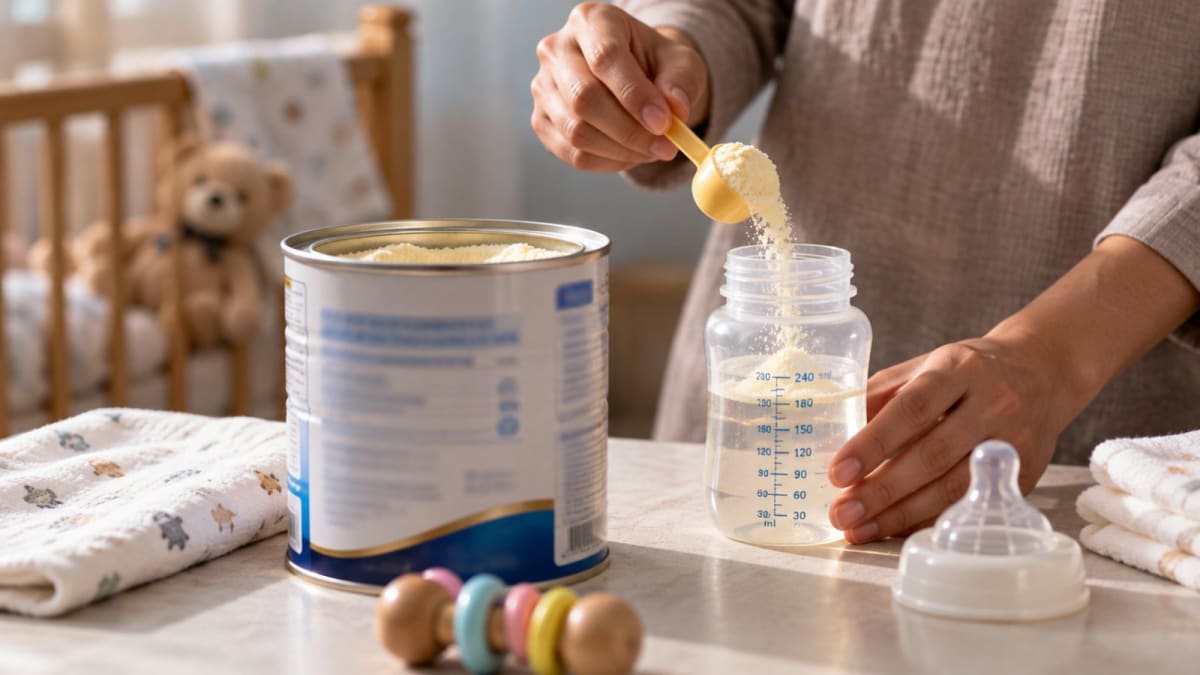
Walking down the baby food aisle can feel both comforting and overwhelming. Rows of pastel-colored boxes promise optimal brain development, robust immunity, and convenient nutrition for your growing little one. Yet, recent regulatory alerts from the Food Safety and Standards Authority of India (FSSAI) have cast a spotlight on what is truly inside commercial infant formulas and pre-packaged weaning foods. From unlisted sugars and trace contaminants to critical micronutrient imbalances like biotin deficiencies, modern parents are discovering that shiny labels do not always guarantee wholesome nutrition.
For many families, commercial cereals and jarred purees represent a dependable shortcut in the whirlwind of early parenthood. However, understanding the nuances of the FSSAI directives can help you navigate commercial shelves with confidence, separate marketing hype from scientific reality, and prepare nutrient-dense meals right in your own kitchen.
The FSSAI Wake-Up Call: Why Regulators Are Intervening
The FSSAI's heightened scrutiny stems from growing concerns over regulatory non-compliance, misleading promotional claims, and the presence of undesirable ingredients in foods manufactured for infants under two years of age. Unlike adults, infants possess immature metabolic pathways and rapidly developing organ systems, making them exceptionally vulnerable to chemical contaminants, heavy metals, and hyper-sweetened formulations.
International health authorities, including the World Health Organization (WHO), have long maintained that complementary foods introduced alongside breast milk after six months should contain zero added sugars. Despite these recommendations, consumer watchdogs and laboratory tests have repeatedly discovered substantial levels of sucrose, corn syrup solids, and maltodextrin in commercial cereals marketed in developing nations—often significantly higher than identical brands sold in Europe or North America.
The Sugar Trap: Palate Programming in the First 1,000 Days
The first 1,000 days of a child's life—spanning conception to their second birthday—represent a critical window of neurodevelopment and metabolic programming. During this period, infants are biologically predisposed to prefer sweet flavors, a natural evolutionary adaptation that originally helped human ancestors seek out energy-dense breast milk and avoid bitter toxic plants.
When commercial baby foods leverage this preference by packing infant cereals with added sugars, they alter an infant's taste thresholds. Regular exposure to ultra-sweet processed cereals can condition children to reject mildly flavored, nutrient-dense whole foods like steamed greens, lentils, and bitter vegetables.
How Sugars Hide in Plain Sight
Food labels frequently disguise sugars behind benign, scientific-sounding names. While reading ingredient panels, watch out for these common sweeteners:
- Maltodextrin and Dextrose: High-glycemic carbohydrate fillers that spike blood glucose levels rapidly.
- Fruit Juice Concentrates: Often marketed as a 'natural' alternative, these concentrates strip away dietary fiber and leave concentrated free fructose.
- Sucrose and Invert Sugar: Table sugar variants added strictly to increase palatability and shelf stability.
- Corn Syrup Solids and Glucose Syrup: Ultra-processed carbohydrates that contribute empty calories without essential vitamins.
Micronutrient Imbalances and the Risk of Biotin Deficiency
While excess sugar represents an overt concern, hidden nutritional shortfalls are equally troubling. Pediatric dietitians have raised alarms over micronutrient stability, particularly water-soluble vitamins like biotin (Vitamin B7). Biotin plays an indispensable role in converting food into cellular energy, supporting neurological function, and facilitating healthy skin and hair development.
In ultra-processed baby foods, heat treatment during extrusion and extended shelf storage can degrade delicate B-complex vitamins. If a formulation lacks adequate fortification or if the bioavailability of these nutrients drops over time, an infant relying predominantly on packaged cereals could be at risk of sub-clinical deficiencies. True infant wellness requires steady, bioavailable micronutrients—not just theoretical values printed on a static label.
Contaminants and Heavy Metals: Understanding the Real Risks
Beyond macronutrient profiles, the FSSAI alert highlights concerns surrounding environmental contaminants. Recent global and domestic analyses of commercial infant foods have uncovered traces of heavy metals, including arsenic, lead, cadmium, and pesticide residues.
These elements enter the food chain primarily through soil and irrigation water. For example, rice plants naturally absorb inorganic arsenic from groundwater at higher rates than other grains, making heavy reliance on commercial rice-based cereals a potential concern. Because infants consume more food per kilogram of body weight compared to adults, their cumulative exposure to even minute concentrations can impact developing neurological systems and kidney function over time.
Decoding Misleading Front-of-Package Claims
Front-of-package marketing on baby products is masterfully crafted to reassure anxious parents. However, nutritionists recommend looking past the glossy front panel and flipping straight to the mandatory nutritional facts panel.
- 'No Added Preservatives': Many infant foods achieve long shelf life through ultra-high-temperature (UHT) processing or dehydrated packaging rather than chemical preservatives, meaning this claim often states the baseline manufacturing standard rather than superior nutrition.
- 'Enriched with DHA and Choline': While these compounds are vital for cognitive development, the actual quantities added to shelf-stable dry cereals may be minimal compared to whole dietary sources like eggs, fish, and nuts.
- 'Made with 100% Real Fruit': This claim frequently masks the reality of processed fruit purees, which lack the intact dietary fiber of whole fruits and deliver sugars in a rapidly absorbable form.
A Pediatric Dietitian's Handbook for Fresh, Safe Infant Feeding
Ensuring your infant receives safe, wholesome nutrition does not require professional culinary skills or exorbitant grocery bills. Traditional home-prepared foods offer total control over ingredient quality, sugar content, and hygiene.
1. Diversify Your Grains
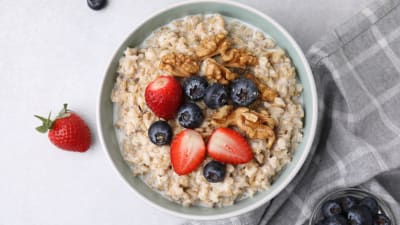
Do not rely solely on rice-based infant cereals. Rotate your baby's carbohydrate base among a diverse variety of whole grains such as finger millet (ragi), rolled oats, cracked wheat (dalia), barley, and sorghum. Rotating grains broadens micronutrient exposure and drastically reduces the risk of cumulative exposure to any single heavy metal contaminant.
2. Master the Three-Ingredient Rule
If you choose to purchase commercial packaged foods for travel or emergencies, inspect the ingredient list carefully. Aim for products where the first three ingredients are identifiable whole foods—such as whole oat flour, lentils, or dehydrated vegetables—with zero listed forms of added sugar, syrup, or artificial flavoring agents.
3. Emphasize Fresh, Single-Ingredient Purees
When introducing complementary foods around six months, start with single-ingredient preparations to monitor for food sensitivities and allergies. Steamed sweet potato, mashed avocado, puréed green peas, and cooked lentils provide natural flavors and textures without overloading developing kidneys or taste buds.
4. Prepare Nutrient-Rich Porridges at Home
Traditional kitchen practices offer excellent nutritional value. Sprouting whole grains like ragi or mung beans before grinding activates endogenous enzymes, enhancing the bioavailability of iron, zinc, and B vitamins while reducing phytic acid. Cook the resulting flour with water or breast milk and a small dollop of healthy fat, such as ghee, to assist in the absorption of fat-soluble vitamins.
Key Takeaways for Parents
- Zero Sugar Under Two: Adhere strictly to pediatric guidelines recommending zero added sweeteners, syrups, or concentrates in infant food.
- Rotate Carbohydrate Sources: Alternate between oats, millets, barley, and whole lentils rather than depending primarily on commercial rice cereals.
- Read the Fine Print: Disregard front-of-box claims like 'natural' or 'brain boosting'; inspect the actual ingredient order and sugar percentages on the back.
- Prioritize Home-Cooked Staples: Use commercial infant purees sparingly as convenient travel backups, making fresh, home-cooked staples the foundation of your baby's daily diet.
The FSSAI alerts serve as a valuable reminder that convenience should never supersede nutritional transparency. By staying informed, reading ingredient lists critically, and embracing wholesome homemade weaning foods, parents can protect their infants from commercial shortcuts and lay the groundwork for a lifetime of vibrant health.
Source Attribution: Article content originally reported by indianexpress.com. Read original story coverage on indianexpress.com →

Elena Rostova
WelloraDaily Editorial Team