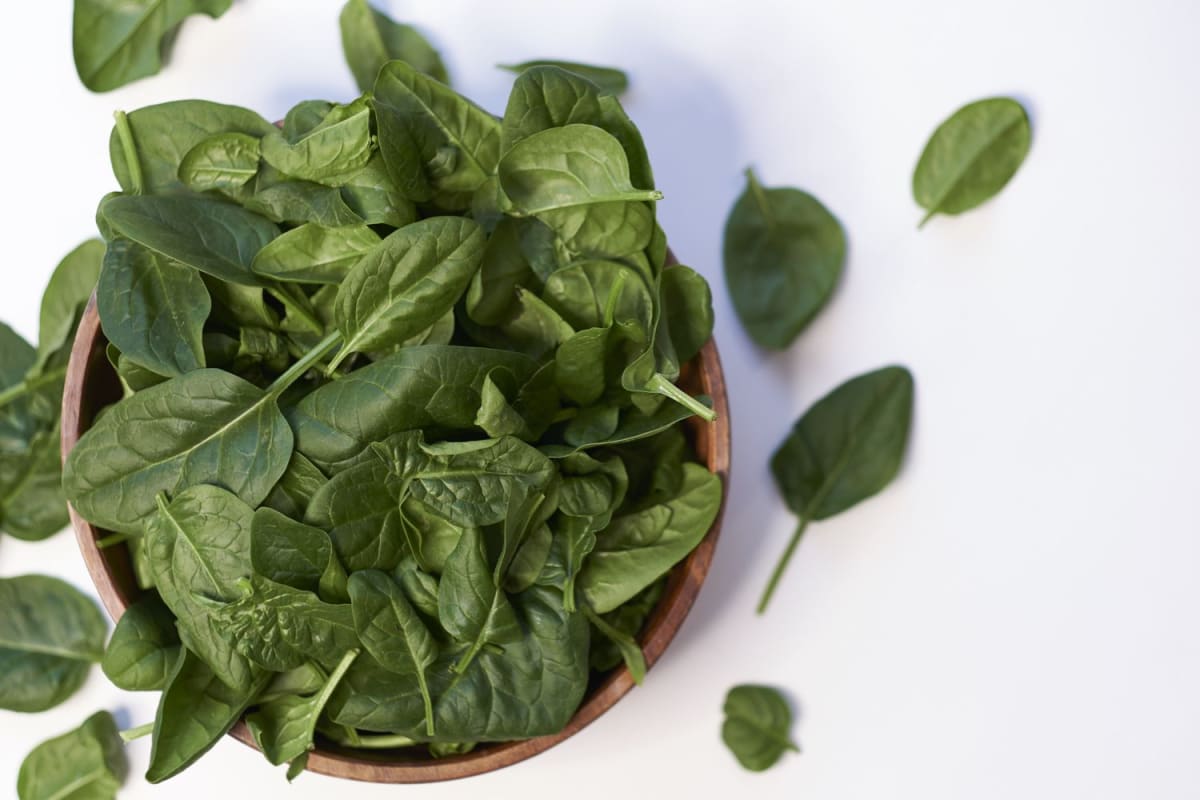
The #1 Green Vegetable Dietitians Recommend for Natural Digestive Regularity
We have all experienced those sluggish days when our digestive system decides to hit the pause button. Constipation is not just physically uncomfortable; it can drain your energy, create frustrating abdominal bloating, and throw your entire day off balance. While it is tempting to reach for a quick over-the-counter laxative, turning to whole, nutrient-dense foods is almost always the most sustainable, gentle way to restore your digestive rhythm.
When dietitians look at the produce aisle for a natural, fast-acting solution to sluggish bowels, one leafy green consistently rises to the top of the recommendation list: spinach. Packed with dietary fiber, gut-nourishing nutrients, and vital minerals, spinach does far more than just bulk up a salad. It works harmoniously with your gastrointestinal tract to get things moving naturally.
The Science Behind Why Spinach Promotes Regularity
Spinach owes its bowel-stimulating prowess to a multi-layered combination of fiber, hydration, and essential micronutrients. When you consume leafy greens, your digestive system benefits from several distinct physiological processes working simultaneously.
1. A Healthy Balance of Insoluble and Soluble Fiber
Dietary fiber is the gold standard for digestive health, and spinach delivers a potent mix of both primary types:
- Insoluble Fiber: Often referred to as roughage, this type of fiber does not dissolve in water. Instead, it adds essential physical bulk to stool and acts like a gentle brush along the walls of your intestines, encouraging rhythmic muscular contractions known as peristalsis.
- Soluble Fiber: This fiber absorbs water as it travels through your system, forming a smooth, gel-like substance. This lubrication softens stool, preventing painful straining and allowing waste to pass effortlessly through the colon.
2. A Natural Source of Digestive Magnesium
Beyond fiber, spinach is naturally rich in magnesium—a mineral famous for its ability to relax muscles throughout the body. In the gastrointestinal tract, magnesium exerts a natural osmotic effect. This means it draws water into the interior of your colon, softening hardened stools and stimulating natural muscle contractions in the bowel wall. In fact, many clinical laxatives rely on concentrated magnesium salts for this exact mechanism, but spinach delivers it naturally alongside life-supporting phytonutrients.
3. Exceptional Water Content
Fiber cannot do its job without adequate hydration. Eating dry fiber without fluids can actually worsen constipation. Fortunately, fresh spinach is made up of over 90 percent water. This built-in moisture works in synergy with the plant's fibrous cellular structure, ensuring that your digestive tract gets the hydration it needs right alongside the roughage.
Nourishing Your Microbiome: The Prebiotic Advantage
Spinach does not simply push food through your system; it also actively feeds the microscopic community living inside your gut. The human body lacks the digestive enzymes needed to break down certain plant fibers completely. When these complex carbohydrates reach the large intestine intact, your beneficial gut bacteria—especially strains like Bifidobacteria and Lactobacillus—ferment them.
During this fermentation process, friendly microbes produce short-chain fatty acids (SCFAs), such as butyrate and acetate. These compounds act as the primary fuel source for the epithelial cells lining your colon. Healthy colon cells regulate fluid absorption more efficiently, maintain a strong protective mucosal barrier, and stimulate normal motility, keeping your bowel movements predictable and comfortable day after day.
Raw vs. Cooked: How Should You Eat It?
A common question digestive specialists receive is whether spinach is better eaten fresh or cooked. The truth is that both preparation methods offer unique advantages for your gut:
- Cooked Spinach: When spinach is gently steamed or sautéed, it wilts dramatically. Because the leaves shrink, you can easily consume a far larger volume of greens in a single sitting. One cup of cooked spinach packs substantially more fiber and concentrated magnesium by volume than a loose cup of raw leaves.
- Raw Spinach: Raw leaves retain their crisp, structural fiber and high water volume, providing refreshing roughage that gently sweeps through the upper gastrointestinal tract.
For the greatest benefit, mix up your intake. Enjoy crisp baby spinach in midday bowls, and fold tender cooked leaves into evening dinners.
Simple Ways to Add More Spinach to Your Daily Routine
One of the greatest virtues of spinach is its mild, versatile flavor profile. Unlike bitter greens like kale or dandelion greens, spinach seamlessly blends into everyday meals without overpowering other ingredients:
- Power Up Your Morning Smoothie: Toss two generous handfuls of baby spinach into your blender with frozen berries, a banana, and your favorite milk. The berries completely mask the green flavor while doubling your fiber intake.
- Elevate Soups and Stews: Stir fresh or frozen chopped spinach into minestrone, chicken noodle, or lentil soup during the final two minutes of cooking. The leaves will wilt instantly and enrich the broth with vital nutrients.
- Upgrade Sandwiches and Wraps: Swap out pale, nutrient-poor iceberg lettuce for deep green baby spinach leaves to add extra crunch and micronutrients to lunch wraps, paninis, and turkey burgers.
- Fold Into Eggs: Sauté a cup of spinach with a dash of olive oil and garlic, then pour your scrambled eggs or omelet batter right over the top for a fiber-rich breakfast.
Key Takeaways for Optimal Gut Health
- Consistency matters: Incorporating greens daily yields far better long-term regularity than eating a giant bowl of greens only when you feel uncomfortable.
- Hydrate generously: Always pair high-fiber foods with plenty of fresh water throughout the day to keep stool soft and mobile.
- Increase gradually: If your current diet is low in roughage, introduce spinach and other fiber-rich vegetables over several days to allow your gut microbiome time to adjust comfortably.
By making spinach a regular staple in your soups, salads, and breakfast plates, you give your digestive system the exact building blocks it needs for smooth, effortless digestion every single day.
Source Attribution: Article content originally reported by Maggie O'Neill. Read original story coverage on Maggie O'Neill →

Elena Rostova
WelloraDaily Editorial Team