7 Simple, Science-Backed Steps to Transform Your Gut Health Without the Stress
Have you ever walked down the wellness aisle or scrolled through social media and felt completely overwhelmed by the barrage of gut health advice? Between boutique kombuchas, expensive probiotic supplements, and restrictive elimination diets, it often feels like nurturing your digestive system requires a degree in biochemistry and a bottomless wallet. The endless rules can leave you wondering whether having a healthy gut is even attainable in everyday life.
Fortunately, cutting-edge nutritional science reveals that supporting your microbiome does not have to be complicated. In honor of Love Your Gut Week, renowned registered dietitian Jo Travers highlighted a refreshing, accessible seven-day reset alongside simple culinary strategies designed to make digestive care feel genuinely achievable. Rather than relying on rigid dietary dogmas, optimizing your microbiome comes down to sustainable daily habits that nourish the trillions of beneficial microorganisms residing within your digestive tract.
The Modern Gut Dilemma: Why Simpler Is Better
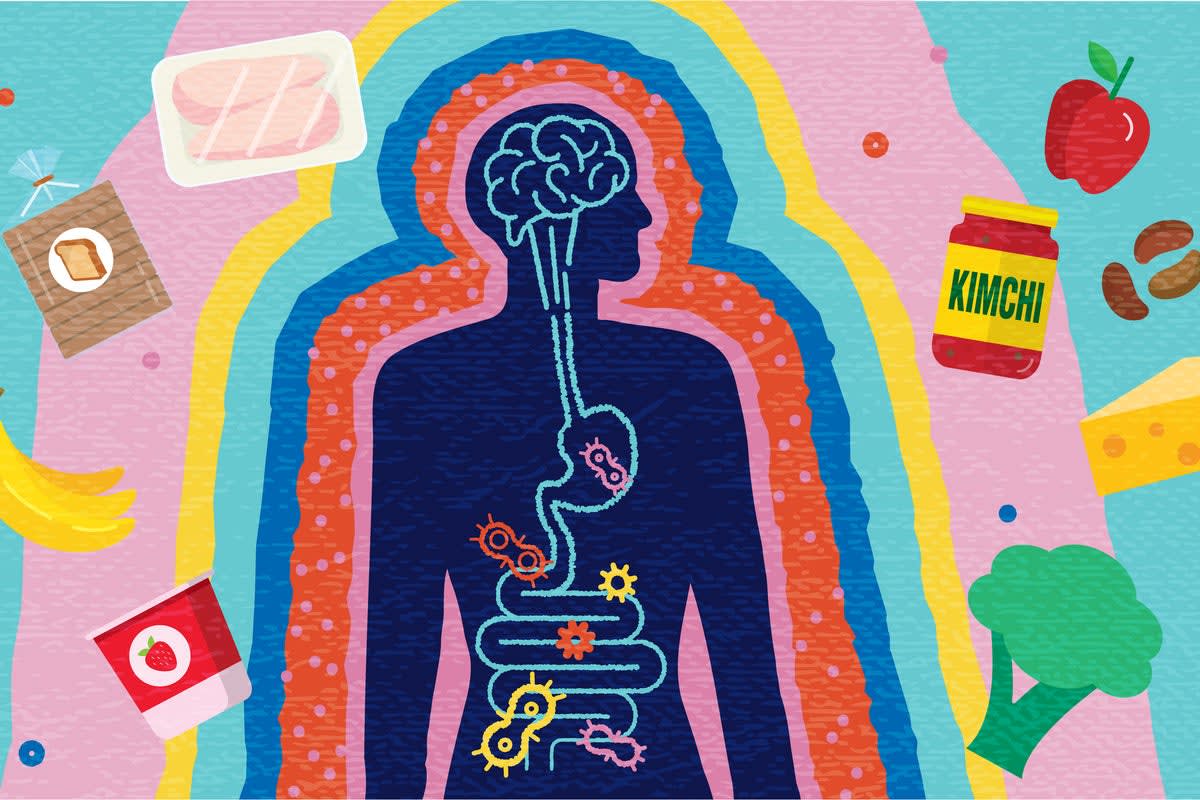
Our digestive system is home to an intricate ecosystem of trillions of bacteria, fungi, and microbes collectively known as the gut microbiome. These microscopic allies do far more than simply process yesterday's dinner. They play an indispensable role in regulating immune defense, synthesizing critical vitamins such as B12 and vitamin K, producing mood-regulating neurotransmitters like serotonin, and maintaining the integrity of our digestive lining.
When this delicate inner ecosystem falls out of balance—a state known as dysbiosis—the consequences can ripple throughout the entire body. Common symptoms include bloating, irregular bowel movements, persistent fatigue, skin flare-ups, and brain fog. Yet, attempting to fix these issues with extreme cleanses or rigid food restrictions often backfires by increasing stress and eliminating essential nutrient groups.
As Jo Travers regularly emphasizes, our digestive microbes thrive on abundance and variety, not restriction. By embracing a manageable, stepwise approach, you can create an internal environment where beneficial microbes naturally flourish without overhauling your life overnight.
The 7-Day Gut Reset: Practical Steps for Everyday Vitality
Transforming your digestive wellness begins by taking small, deliberate actions each day. Here is a practical, seven-step blueprint inspired by dietitian Jo Travers' accessible philosophy to help you build resilient, lifelong gut health.
Step 1: Expand Your Plant Diversity (The 30-Plant Goal)
Research spearheaded by the American Gut Project found that individuals who consume more than 30 distinct plant foods each week harbor a significantly more diverse and resilient microbiome than those who consume fewer than ten. Plant foods encompass not just fruits and leafy vegetables, but also nuts, seeds, whole grains, legumes, herbs, and spices.
Instead of sticking to the same salad day after day, challenge yourself to add extra variety. Toss a mix of pumpkin and sunflower seeds into your morning oats, swap plain rice for a three-grain blend, or use mixed frozen berries instead of just strawberries. Every unique plant variety supplies distinct dietary fibers that nourish different bacterial species.
Step 2: Prioritize Prebiotic Powerhouses
While probiotics represent live beneficial bacteria, prebiotics are the specialized dietary fibers that feed them. When your resident microbes ferment prebiotic fibers, they generate short-chain fatty acids (SCFAs) such as butyrate, which help reduce systemic inflammation and reinforce the protective gut barrier.
Incorporate everyday prebiotic foods into your meals without fuss. Excellent and accessible sources include garlic, onions, leeks, slightly underripe bananas, asparagus, oats, and legumes. Even cooking and cooling starches—like potatoes or rice—creates resistant starch, a powerful prebiotic fuel.
Step 3: Introduce Live Cultured and Fermented Foods
Fermented foods have been staple components of traditional diets worldwide for millennia. Introducing live, unpasteurized fermented foods into your routine regularly delivers transient beneficial bacteria that support microbial diversity and keep opportunistic pathogens at bay.
You do not need to consume jars of expensive specialty foods. Start small by adding a spoonful of live sauerkraut or kimchi as a condiment, sipping a small glass of kefir, or opting for traditional live-culture Greek yogurt instead of sweetened varieties. A tablespoon or two per day is plenty to start seeing the benefits.
Step 4: Master the Mechanics of Mindful Chewing
Digestion begins long before food enters your stomach; it starts in your mouth. Chewing thoroughly stimulates salivary glands to release digestive enzymes like amylase and sends neural signals to the stomach to prepare gastric juices and enzymes for incoming food.
Eating in a rushed or distracted state often leads to swallowing large, unchewed food particles and excess air. This places unnecessary mechanical strain on the stomach and small intestine, frequently resulting in post-meal bloating and cramping. Make a habit of putting your fork down between bites and chewing your food until it reaches a soft, liquid consistency.
Step 5: Hydrate Intentionally
Adequate hydration is critical for digestive transit. Water binds with dietary fiber in the colon to create soft, formed stools, preventing sluggish motility and constipation. Furthermore, fluid balance is essential for maintaining the protective mucosal layer that coats your gastrointestinal tract.
Aim for consistent water intake throughout the day rather than chugging large volumes all at once. Herbal teas like peppermint, ginger, and chamomile can also double as soothing digestive aids that ease abdominal tension.
Step 6: Support the Gut-Brain Axis
The gut and the brain communicate bidirectionally through the vagus nerve and chemical messengers, an interconnected highway known as the gut-brain axis. Chronic psychological stress diverts blood flow away from the digestive tract, slows motility, alters gut secretions, and can even compromise the gut mucosal barrier.
Integrating brief nervous-system resets can dramatically improve your digestion. Practicing five minutes of slow, diaphragmatic breathing before meals helps shift your nervous system from sympathetic (fight-or-flight) to parasympathetic (rest-and-digest) mode, optimizing enzyme secretion and digestive function.
Step 7: Prioritize Consistent Sleep and Daily Movement
Your gut bacteria operate on their own circadian rhythm. Erratic sleep patterns and sleep deprivation disrupt the composition and metabolic activity of your microbiome. Similarly, moderate, regular physical activity helps stimulate peristalsis—the natural wave-like muscular contractions of your digestive tract.
Aim for seven to eight hours of consistent, restful sleep nightly, and incorporate at least 20 to 30 minutes of gentle movement, such as a brisk walk or gentle stretching, into your daily routine. A brief post-meal stroll is particularly effective for managing blood glucose spikes and easing digestion.
Building Balanced Gut-Friendly Meals
Eating for gut health does not require complicated recipes with hard-to-find ingredients. In her guidance for Love Your Gut Week, Jo Travers emphasizes utilizing familiar kitchen staples to create easy, nourishing meals. Consider these four simple meal frameworks to keep your digestion thriving:
- Gut-Nourishing Breakfast: Overnight rolled oats combined with chia seeds, unsweetened kefir or live yogurt, and a handful of mixed berries. This provides complex carbohydrates, prebiotics, probiotics, and healthy fats in a single bowl.
- Fiber-Rich Power Lunch: A Mediterranean grain bowl featuring canned chickpeas or lentils, quinoa, chopped cucumbers, tomatoes, leafy greens, and a dollop of hummus topped with toasted pumpkin seeds.
- Soothing Dinner Traybake: Roasted seasonal vegetables (such as broccoli, red onions, carrots, and sweet potatoes) tossed with extra virgin olive oil and garlic, served alongside baked wild salmon or firm tofu for high-quality protein and anti-inflammatory omega-3s.
- Digestive Rescue Snack: An apple or pear paired with a small handful of walnuts or raw almonds, offering a balanced combination of prebiotic pectin, healthy fats, and sustained satiety.
Key Takeaways for Long-Term Digestive Wellness
Improving your gut health is a marathon, not a sprint. By focusing on consistency rather than perfection, you can nurture a thriving microbiome that supports your overall health for years to come.
- Focus on addition, not subtraction: Prioritize adding diverse colorful plants, seeds, and fermented foods instead of obsessing over what to cut out.
- Celebrate small changes: Adding one extra vegetable to your dinner plate or taking ten minutes to chew mindfully makes a real physiological difference.
- Listen to your body: Increase your fiber and fermented food intake gradually to allow your microbiome and digestive enzymes time to adapt comfortably.
- Embrace the holistic picture: Remember that stress management, hydration, and restful sleep are just as influential to your digestive well-being as the food on your plate.
Source Attribution: Article content originally reported by Hannah Twiggs. Read original story coverage on Hannah Twiggs →

Elena Rostova
WelloraDaily Editorial Team