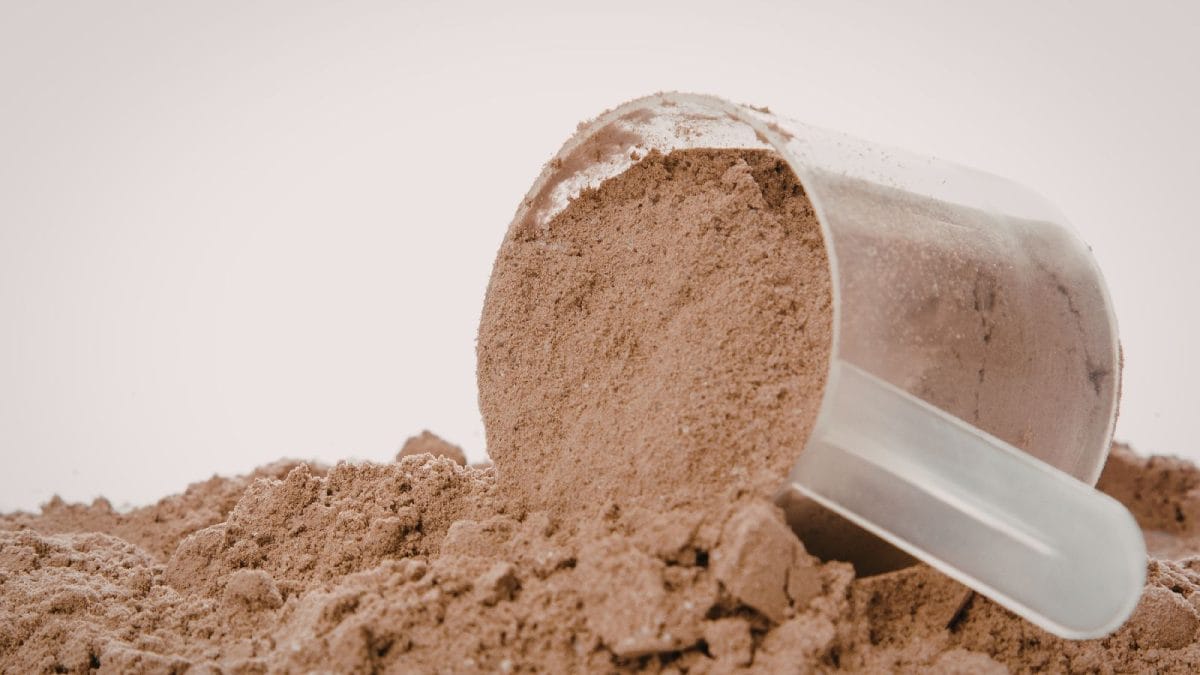
Hate the Chalky Taste of Protein Powder? 4 Delicious Ways to Disguise It and Hit Your Daily Goals
If you have ever enthusiastically purchased a giant tub of protein powder only to discover that it tastes like pulverized drywall and artificial sweetener, you are not alone. For countless fitness enthusiasts and health-conscious eaters, the daily shaker bottle ritual feels less like self-care and more like an endurance test. That dry, gritty mouthfeel—commonly described as chalky—is enough to make anyone abandon their nutritional goals altogether.
Getting sufficient dietary protein remains non-negotiable for metabolic health, steady energy, muscle repair, and sustained satiety. The good news is that you do not need to subject yourself to clumpy shakes to reap the benefits. With a little culinary creativity, you can seamlessly integrate protein powder into everyday comfort foods, completely masking its texture while leveling up your nutritional intake.
Why Does Protein Powder Taste So Chalky?
Understanding why protein powder behaves the way it does makes it much easier to disguise. Most commercial powders are derived from isolated sources such as milk (whey and casein) or plant proteins like yellow pea, brown rice, soy, and hemp. During processing, fats and carbohydrates are stripped away, leaving concentrated protein molecules behind.
Plant-based powders are particularly notorious for their gritty texture because plant fibers do not readily dissolve in cold water; they merely suspend in the liquid. Furthermore, many brands rely heavily on intense non-nutritive sweeteners such as stevia, sucralose, or monk fruit, which leave a lingering medicinal aftertaste on the palate. By introducing moisture, heat, healthy fats, and rich spices, you can alter the physical suspension of the powder and eliminate that dry mouthfeel completely.
1. Golden, Fluffy Protein Pancakes
Pancakes are the quintessential weekend comfort food, and they serve as an exceptional vehicle for protein powder. When you mix protein powder directly into a flour batter, the starches and eggs coat the isolated protein particles, preventing them from clumping or tasting dry.
Vanilla, cinnamon, or unflavored powders work seamlessly in pancake batter. Because protein powders absorb moisture much faster than standard all-purpose or oat flour, a good rule of thumb is to replace only one-third of your total flour volume with protein powder. Adding mashed ripe banana, pumpkin purée, or applesauce introduces natural moisture and pectin, which guarantees a tender, melt-in-your-mouth crumb rather than a rubbery texture.
- Pro Tip: Cook your protein pancakes over medium-low heat. Protein powders scorch much faster than traditional wheat flour, so a gentler cooking process ensures a golden finish without a burnt, bitter undertone.
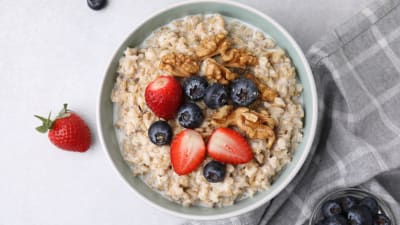
2. Creamy, Slow-Hydrated Overnight Oats
If mornings are chaotic and you need a grab-and-go option, overnight oats are your secret weapon. The issue with standard protein shakes is that the powder never has adequate time to hydrate. In an overnight oat preparation, the powder sits submerged in milk or a plant-based beverage for six to eight hours, allowing the microscopic granules to soften fully.
Rolled oats naturally release starch as they soak, creating a rich, velvety slurry that binds effortlessly with protein powder. When paired with chia seeds, the soluble fibers form a gel that mimics a decadent pudding. Stir in a tablespoon of natural nut butter—such as almond or peanut butter—and a splash of vanilla extract. The natural oils in the nut butter coat your taste receptors, entirely neutralizing any chalky residue.
- Layering Strategy: Whisk the liquid and protein powder together first until completely smooth before folding in your rolled oats and chia seeds. This prevents dry pockets of powder from hiding at the bottom of your jar.
3. Savory Indian Breakfast Classics (Cheelas, Dosas, and Paratha Dough)
Most people naturally gravitate toward sweet applications when working with protein powder, but savory preparations are often vastly superior at masking synthetic undertones. Using unflavored protein powder opens up an entire world of rich, aromatic culinary staples—especially within traditional Indian breakfast recipes.
Savory dishes rely on robust, aromatic spices like roasted cumin, turmeric, ajwain (carom seeds), fresh coriander, and green chilies. These complex flavor compounds completely overpower any subtle protein isolate taste. Here is how you can incorporate it effortlessly:
- Besan or Moong Dal Cheela: Gram flour (besan) and yellow moong dal batters have a naturally earthy, nutty profile that pairs beautifully with unflavored pea or whey protein. Whisk half a scoop into the batter alongside grated ginger, chopped onions, and spices before cooking on a hot cast-iron skillet.
- Enriched Paratha Dough: When kneading whole wheat flour (atta) for everyday rotis or stuffed parathas, knead in a scoop of unflavored powder along with a teaspoon of ghee. The gluten matrix and the healthy fat from the ghee absorb the protein seamlessly.
- Dosa & Idli Batters: Stirring a small portion of unflavored protein into fermented batter retains the signature tang and crispiness of the dosa without altering its fermentation chemistry.
4. Whipped Greek Yogurt and Smoothie Bowls
If you prefer a chilled breakfast or afternoon snack, standard blending often introduces too much air, exacerbating chalkiness. Instead, turn to high-protein Greek yogurt or thick Icelandic skyr. These dairy staples are natural emulsions packed with rich, creamy milk fats and casein.
By vigorously folding a scoop of flavored protein powder into a cup of whole-milk Greek yogurt, you create a rich, mousse-like consistency reminiscent of dessert frosting. The natural acidity and lactic tang of the yogurt cut right through the cloying sweetness of artificial flavorings. Top the bowl with fresh berries, toasted coconut flakes, and cacao nibs to introduce textural contrast, which distracts the palate from any subtle residual powderiness.
Key Takeaways for Banishing Chalkiness Forever
- Add Healthy Fats: Ingredients like peanut butter, tahini, Greek yogurt, or avocado contain lipids that bind to hydrophobic protein molecules, giving them a velvety texture on your tongue.
- Allow Time to Hydrate: Let batters and soaked oats rest for at least 10 to 15 minutes before cooking or eating to give the powder grains time to absorb moisture.
- Go Savory with Unflavored Powders: You do not have to settle for fake vanilla or chocolate. Unflavored powders integrated into savory doughs, soups, and batters make meeting your protein target effortless.
- Mind the Ratios: Never replace 100% of the flour or base ingredient in a recipe with protein powder. Keep the protein powder to roughly 25% to 35% of the total dry volume to preserve optimal moisture and texture.
Transforming your daily nutrition should never feel like a chore. By moving beyond the shaker bottle and integrating protein powder into wholesome, satisfying meals, you can nourish your body, sustain your energy, and genuinely look forward to every bite.
Source Attribution: Article content originally reported by news18.com. Read original story coverage on news18.com →

Elena Rostova
WelloraDaily Editorial Team