The Healthiest Ways to Cook Chicken: Expert-Backed Methods for Maximum Nutrition and Flavor
Chicken has earned a well-deserved reputation as a reliable kitchen staple. From a classic Sunday roast with golden root vegetables to a quick weeknight stir-fry, it serves as an accessible, versatile, and high-quality protein foundation for millions of households. Yet, the way you prepare this lean meat has an astonishingly large impact on its actual health value. Depending on the culinary method chosen, a wholesome cut of chicken can either deliver clean, revitalizing nutrients or carry unintended loads of saturated fats, excess calories, and heat-induced carcinogens.
Understanding the science behind cooking temperatures, moisture retention, and fat dynamics can transform your culinary routine. By making a few deliberate adjustments in your kitchen, you can preserve the bird's natural nutritional bounty while elevating its flavor and texture to restaurant quality.
The Nutritional Blueprint of Poultry
Before diving into preparation techniques, it is worth examining why chicken remains such a prized dietary pillar. Chicken breast is naturally low in sodium and saturated fat while serving as a complete protein source, meaning it supplies all nine essential amino acids required for tissue repair, immune vitality, and muscle maintenance.
Beyond macronutrients, poultry provides an impressive spectrum of micronutrients. It is rich in B vitamins—notably niacin (vitamin B3) and pyridoxine (vitamin B6)—which play fundamental roles in cellular energy production, brain health, and metabolic regulation. Chicken also delivers vital minerals like phosphorus, which supports healthy teeth and bones, alongside selenium, an essential antioxidant mineral that protects cellular integrity and supports proper thyroid function.
The Thermal Dilemma: High Heat, Charring, and Chemical Changes
While high-heat cooking delivers undeniable crunch and deep flavor, it also initiates chemical reactions that health-conscious home cooks should know about. When animal muscle meat is exposed to open flames, prolonged intense heat, or surface burning, two distinct classes of compounds can form: Heterocyclic Amines (HCAs) and Polycyclic Aromatic Hydrocarbons (PAHs).
HCAs emerge when amino acids, sugars, and creatine react at temperatures exceeding 150°C (300°F), typical during fast grilling or pan-frying. PAHs develop when melting fat drips onto hot coals, stones, or burners, rising back up in smoke that deposits hazardous particles directly onto the surface of the meat. In laboratory studies, both HCAs and PAHs have demonstrated mutagenic properties that can alter cellular DNA, leading researchers to correlate frequent consumption of heavily charred meats with elevated health concerns.
High temperatures also accelerate the creation of Advanced Glycation End-products (AGEs). These compounds accumulate in bodily tissues over time and have been associated with chronic low-grade inflammation, oxidative stress, and cardiovascular strain. Choosing the right preparation method effectively shields your food from these unwanted transformations.
The Healthiest Ways to Cook Chicken, Ranked
1. Poaching and Gentle Simmering
Often overlooked, poaching represents the pinnacle of gentle, health-supportive cooking. Because the poultry is submerged in liquid maintained just below the boiling point (around 70°C to 80°C or 160°F to 180°F), the risk of surface scorching, HCA creation, or AGE buildup is virtually eliminated.
Poaching does not require supplemental fats, making it exceptionally light. To avoid bland results, infuse your cooking liquid with deeply aromatic ingredients: smashed garlic cloves, sliced fresh ginger, sprigs of fresh rosemary, whole peppercorns, and vegetable or bone broth. The gentle water bath cooks the protein fibers evenly, preventing the stringy, parched texture that frequently plagues overcooked chicken breast.
2. Steaming
Similar to poaching, steaming leverages moist heat to cook poultry smoothly and thoroughly. Because the meat never directly touches water, water-soluble B vitamins suffer minimal leaching, retaining higher overall concentrations of micronutrients compared to traditional boiling.
Steaming works exceptionally well for thin cutlets, bone-in chicken thighs, and thinly sliced breasts. Pairing your chicken with a bed of aromatic vegetables—such as scallions, lemongrass, or sliced peppers—allows the steam to impart aromatic complexity without adding a single gram of extraneous fat.
3. Baking and Roasting
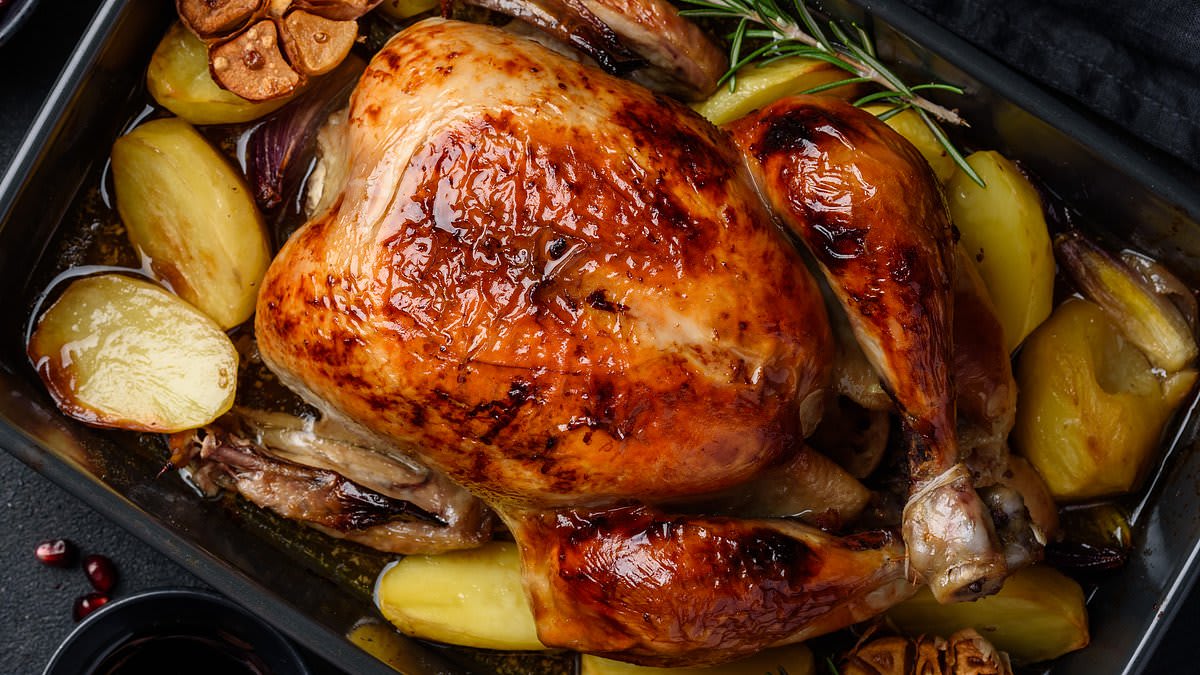
Baking and roasting remain beloved for their convenience and comfort. The dry, ambient heat of a home oven cooks the meat uniformly, caramelizing natural juices while preserving tenderness beneath the surface.
To optimize roasting from a nutritional perspective, place the chicken on an elevated wire rack nested inside your baking tray. This architectural setup allows rendered fats to drain away from the meat rather than collecting around it. Keep your oven temperatures moderate (around 180°C to 200°C or 350°F to 400°F) to prevent surface charring while ensuring the meat reaches a safe internal temperature.
4. Air-Frying and Light Sautéing
Modern air fryers have revolutionized healthy cooking by using high-velocity convection currents to circulate hot air rapidly around the food. This mechanism replicates the mouthwatering crispness of traditional deep-frying using mere drops of oil.
If you prefer the stovetop, a brief sauté in a heavy-bottomed ceramic or stainless-steel pan with a teaspoon of extra-virgin olive oil or avocado oil is an excellent compromise. Keep the pieces moving continuously and combine them with vibrant bell peppers, broccoli florets, and snap peas for a nutrient-dense, fiber-packed meal.
Smart Preparation Strategies for Wholesome Meals
- Harness the Power of Marinades: Research suggests that marinating poultry in antioxidant-rich mixtures for as little as 30 minutes can significantly inhibit the formation of harmful HCAs during dry cooking. Bases incorporating lemon juice, apple cider vinegar, garlic, turmeric, oregano, and rosemary provide a potent shield against oxidative reactions.
- Trim Visible Excess: While poultry skin adds moisture during roasting, removing it prior to serving dramatically cuts saturated fat and overall caloric density, turning a decadent dinner into a lean powerhouse.
- Invest in a Digital Meat Thermometer: The common tendency to incinerate poultry stems from food-safety anxiety. Chicken must reach an internal temperature of 75°C (165°F) at its thickest point to eliminate pathogens. By utilizing a thermometer, you can remove the meat immediately once it reaches safety standards, guaranteeing succulent, tender results without overcooking.
Key Takeaways for Your Kitchen
- Moist Heat Reigns Supreme: Poaching and steaming protect against HCA and PAH formation while keeping the meat juicy without added oils.
- Control the Crust: Avoid blackened or deeply charred surfaces; gentle golden-brown baking is both safer and more nutritious.
- Season with Science: Use herb- and citrus-loaded marinades to impart deep flavor and protect cellular health naturally.
- Temperature Precision: Rely on an accurate meat thermometer to achieve safe, tender poultry every single time.
Source Attribution: Article content originally reported by Marti Stelling. Read original story coverage on Marti Stelling →

Elena Rostova
WelloraDaily Editorial Team