The Hidden Cellular Secret: How the Mediterranean Diet Boosts Tiny Proteins to Shield Heart and Brain
We have known for decades that the Mediterranean diet ranks among the healthiest eating patterns on the planet. From coastal villages in Greece to the rolling hills of southern Italy, populations embracing this lifestyle consistently enjoy lower rates of heart disease, sharper cognitive function well into their golden years, and longer overall lifespans. But while doctors routinely point to the benefits of monounsaturated fats, dietary fiber, and natural antioxidants, researchers have recently uncovered a far more profound biological mechanism quietly operating beneath the surface.
A growing body of scientific research reveals that the Mediterranean diet may protect our vital organs by activating tiny, specialized proteins produced directly inside our mitochondria. Often referred to as the cellular powerhouses, mitochondria do much more than generate energy—they actively orchestrate cellular defense, resilience, and longevity.
The Unsung Heroes Inside Your Cells
For over a century, biology textbooks taught us that mitochondria had one primary job: converting the food we eat into adenosine triphosphate (ATP), the chemical currency of cellular energy. However, modern molecular biology has revealed a revolutionary second role. Mitochondria contain their own unique loop of DNA, separate from the primary genome housed in our cell's nucleus.
Scientists have discovered that this mitochondrial DNA encodes miniature messenger molecules known as mitochondrial-derived peptides (MDPs) or microproteins. Despite their microscopic size compared to standard proteins, these molecules act as powerful biological messengers. They travel throughout the cell—and even enter the bloodstream—instructing neighboring tissues to reduce inflammation, repair damaged structures, and withstand oxidative stress.
How the Mediterranean Diet Awakens Cellular Defenses
The foods that define the Mediterranean pattern are uniquely primed to interact with these delicate mitochondrial pathways. When you consume a meal rich in cold-pressed extra virgin olive oil, wild greens, legumes, and omega-3 fatty acids, you are delivering a concentrated blend of bioavailable phytonutrients and polyphenols to your digestive tract.
Rather than merely serving as inert fuel, compounds like oleuropein, hydroxytyrosol, and resveratrol act as subtle biochemical triggers. In a process known as mitohormesis, these nutrient-dense foods place a mild, beneficial stress on cellular machinery. In response, mitochondria ramp up production of protective microproteins, effectively fortifying the cell against future damage, metabolic stress, and premature aging.
Shielding the Cardiovascular System from the Inside Out
Heart disease remains the leading cause of mortality worldwide, largely driven by chronic arterial inflammation and endothelial dysfunction. The tiny proteins stimulated by Mediterranean-style nutrition provide targeted protection right where your cardiovascular system needs it most.
When these microproteins are released into circulation, they interact directly with the delicate endothelial cells lining your blood vessels. Key cardiovascular benefits observed in cellular research include:
- Enhanced Nitric Oxide Bioavailability: Helping blood vessels relax and dilate naturally, which supports healthy blood pressure regulation.
- Suppression of Vascular Inflammation: Inhibiting pro-inflammatory signaling cascades that contribute to the buildup of arterial plaque.
- Mitigation of Oxidative Stress: Neutralizing reactive oxygen species before they can oxidize LDL cholesterol, a primary driver of atherosclerosis.
- Improved Glucose Homeostasis: Enhancing cellular insulin sensitivity to protect tiny microcapillaries from high-glucose damage.
Preserving the Aging Brain: A Shield Against Cognitive Decline
The human brain accounts for roughly two percent of our total body weight, yet it consumes more than twenty percent of our resting metabolic energy. Because neurons are so energetically demanding, they are exceptionally reliant on peak mitochondrial performance—and uniquely vulnerable when those cellular batteries begin to fail.
As we age, accumulating mitochondrial dysfunction in brain tissue promotes neuroinflammation and contributes to neurodegenerative conditions such as Alzheimer's and vascular dementia. Fortunately, mitochondrial-derived microproteins possess the rare ability to cross biological barriers and deliver targeted neuroprotective signals directly to neural circuits.
In the brain, these peptides help preserve synaptic plasticity, clean up misfolded protein aggregations, and dampen overactive microglial immune responses. By supporting the cellular integrity of neurons, a Mediterranean-style dietary regimen does not simply protect physical stamina; it actively guards memory, focus, and long-term cognitive clarity.
Bringing the Science to Your Plate
Translating these sophisticated cellular discoveries into daily life does not require rigid calorie counting or exotic supplements. The real beauty of the Mediterranean framework lies in its simplicity and reliance on real, unadulterated whole foods.
1. Prioritize High-Phenol Extra Virgin Olive Oil
Make authentic, cold-pressed extra virgin olive oil your primary dietary fat. Look for oils packaged in dark glass bottles with a distinct peppery finish at the back of your throat—a sensory indicator of high polyphenol content capable of triggering mitochondrial signaling.
2. Fill Half Your Plate with Colorful Plant Diversity
Rotate through leafy greens like spinach, kale, and arugula, alongside deeply pigmented vegetables like purple cabbage, beets, and bell peppers. Diverse plant pigments provide the wide spectrum of flavonoids required to nourish cellular pathways.
3. Lean on Legumes and Whole Grains
Incorporate lentils, chickpeas, black beans, farro, and barley into soups, grain bowls, and stews. Their fermentable prebiotic fibers feed beneficial gut microbiota, which produce short-chain fatty acids that further reinforce mitochondrial energy production.
4. Embrace Fatty Fish and Raw Nuts
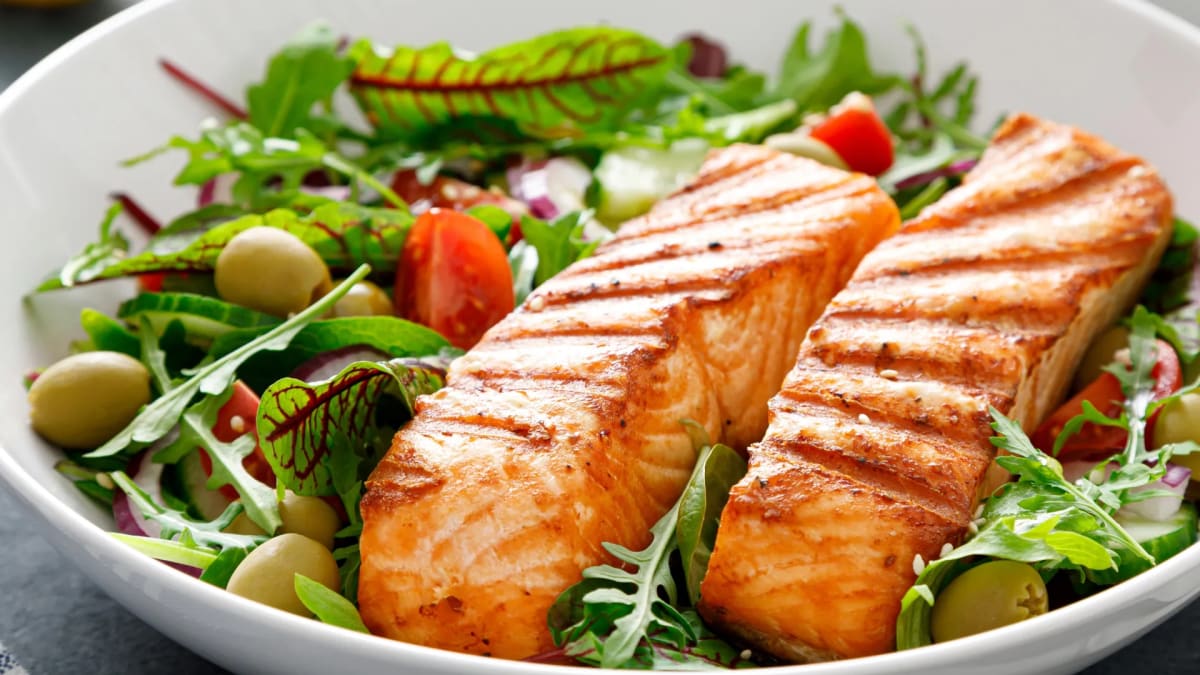
Aim for two to three servings per week of wild-caught fatty fish such as salmon, sardines, mackerel, or anchovies. Pair these with daily handfuls of raw walnuts, almonds, and pumpkin seeds to deliver vital structural lipids directly to cell membranes.
Key Takeaways for Long-Term Vitality
- Mitochondria are more than energy factories: They synthesize vital microproteins that coordinate anti-aging and stress-response signaling throughout the body.
- Diet directly influences peptide production: The unique phytochemicals in Mediterranean foods stimulate mitochondrial resilience and microprotein synthesis.
- Dual-organ defense: These tiny peptides support the endothelium to protect the heart while tamping down neuroinflammation to safeguard the brain.
- Consistency over perfection: Long-term benefits arise from building sustainable, colorful, nutrient-dense habits one meal at a time.
The Bottom Line
Science continues to validate what traditional cultures have understood instinctively for centuries: real, wholesome food is fundamentally informational. Every time you sit down to a Mediterranean-inspired meal, you are not merely filling your stomach. You are sending an ancient molecular signal to your mitochondria, encouraging your cells to produce the very peptides that keep your heart resilient and your mind vibrant for decades to come.
Source Attribution: Article content originally reported by Science Daily. Read original story coverage on Science Daily →

Elena Rostova
WelloraDaily Editorial Team