From Hiding Vegetables to Thriving at 64: The Science of Fueling Your Body as You Age
If you grew up during the mid-to-late twentieth century, you might remember the dinner table standoff. For many kids—including Peter, now 64—vegetables were not a culinary delight; they were an obstacle to overcome or covertly discard. Broccoli crowns were pushed beneath mounds of mashed potatoes, peas were discreetly wrapped in napkins, and carrot rounds were swallowed whole like bitter medicine just to earn permission to leave the table.
Decades later, the landscape looks remarkably different. Today, Peter no longer avoids his greens—in fact, he actively builds his meals around them. Like millions of adults navigating their sixties and beyond, Peter realized that the carefree dietary habits of his twenties and thirties no longer deliver the vitality, energy, and mental clarity he expects from daily life. He is part of a growing movement of older adults discovering that while getting older is inevitable, feeling depleted certainly is not.
The Metabolic Shift: Why Aging Demands a Nutritional Pivot
Our bodies operate under entirely different biological realities at 64 than they did at 24. As the decades advance, our basal metabolic rate naturally decreases. We lose lean muscle mass—a condition clinically known as sarcopenia—unless we actively work to preserve it through resistance exercise and targeted nutrition. Concurrently, natural hormonal shifts slow down our daily caloric burn.
This creates what geriatric nutritionists call the nutrient-density paradox: older adults generally require fewer total calories to maintain weight, yet their bodies require equal or higher concentrations of essential micronutrients, vitamins, and protein to function optimally. In short, every single forkful must work harder.
Compounding this challenge is the gradual decline in digestive efficiency. As we age, stomach acid production often wanes, impairing our ability to break down whole foods and absorb vital nutrients such as vitamin B12, iron, and calcium. Our sensation of thirst also diminishes, leaving many older adults chronically, mildly dehydrated without realizing it.
The Vital Pillars of Nutrition After 60
Learning how to make food work for your current stage of life does not require extreme restriction or complicated regimens. Instead, it involves understanding which nutritional levers move the needle most effectively for healthy aging.
1. Prioritizing High-Quality Protein to Combat Muscle Loss
Between the ages of 30 and 80, sedentary adults can lose up to 30 to 50 percent of their muscle mass. Because muscle tissue is our primary metabolic engine and the foundation for balance and mobility, maintaining it is crucial for independence.
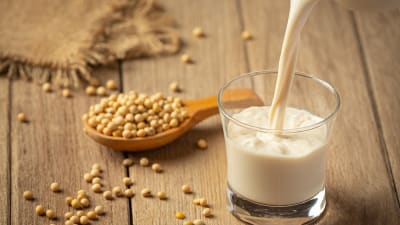
Modern nutritional science suggests distributing protein evenly across the day rather than loading it entirely into an evening meal. Aiming for 25 to 35 grams of high-quality protein per meal stimulates muscle protein synthesis far more effectively than small grazing amounts. Excellent sources include wild-caught fish, skinless poultry, eggs, tofu, Greek yogurt, lentils, and edamame.
2. Embracing Dietary Fiber for Heart and Gut Longevity
Childhood vegetable resistance often translates into lifelong dietary low-fiber habits. However, dietary fiber is one of the most powerful tools for longevity. Soluble fiber binds to cholesterol in the digestive tract, carrying it out before it enters the bloodstream, while insoluble fiber supports bowel regularity and reduces diverticular risks.
Furthermore, dietary fiber feeds our gut microbiome. A diverse microbiome produces short-chain fatty acids (SCFAs) that regulate immune function, reduce systemic inflammation, and even influence cognitive well-being through the gut-brain axis.
3. Bridging Common Micronutrient Gaps
Certain micronutrients become particularly susceptible to deficiency as we age:
- Vitamin B12: Crucial for nerve function and red blood cell formation. Because stomach acid decreases with age, older adults should focus on fortified foods, animal proteins, or bioavailable supplements as advised by a doctor.
- Vitamin D and Calcium: The combination that protects bone mineral density. Since aging skin produces less vitamin D from sunlight, dietary intake and sensible supplementation become paramount.
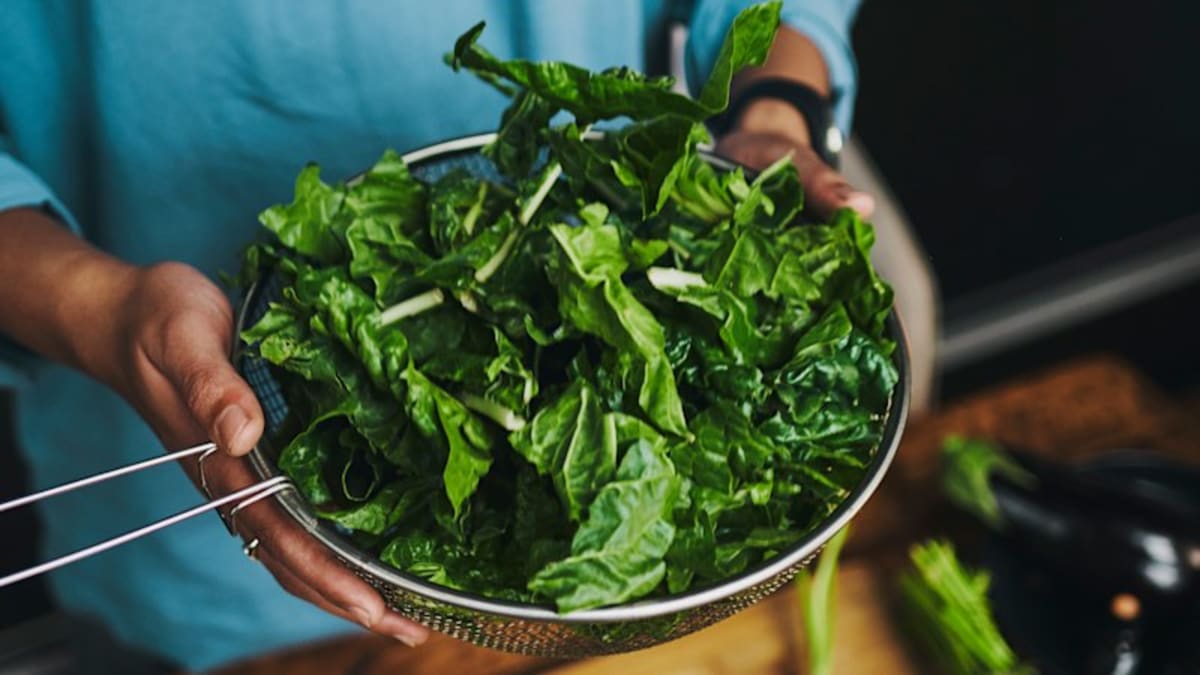
- Potassium and Magnesium: Essential for blood pressure management, arterial elasticity, and muscular relaxation. Leafy greens, seeds, nuts, and avocados are exceptional whole-food sources.
How Peter Learned to Love Vegetables (Without the Misery)
The turning point for Peter was not an overnight burst of willpower; it was a fundamental shift in kitchen strategy. Many people who dislike vegetables grew up eating them boiled to mush, devoid of seasoning, and stripped of texture. Modern culinary approaches transform vegetables from a dreaded chore into the most satisfying part of the plate.
Here are the practical kitchen habits that changed Peter's relationship with food:
- Roasting Over Boiling: Roasting vegetables at high heat (400°F / 200°C) with extra virgin olive oil, sea salt, and cracked pepper caramelizes their natural sugars, turning bitter brassicas like Brussels sprouts and cauliflower into sweet, crispy delights.
- Healthy Fats as Flavor Carriers: Vitamins A, D, E, and K are fat-soluble, meaning your body cannot absorb them efficiently without dietary lipids. Tossing greens with tahini, cold-pressed olive oil, or slivered almonds enhances both nutrient bioavailability and flavor.
- The "Crowd-In" Method: Instead of focusing on what to cut out, focus on adding vegetables into meals you already love. Peter began blending baby spinach into fruit smoothies, tossing grated zucchini into marinara sauces, and adding sautéed bell peppers to morning scrambles.
Key Takeaways for Rethinking Your Daily Plate
Whether you are in your forties, preparing for the future, or in your sixties and seventies fine-tuning your health span, these fundamental guidelines will help your diet serve you better:
- Build meals around color: Aim for at least three distinct natural colors on your plate at every main meal to ensure a broad spectrum of protective polyphenols and antioxidants.
- Anchor with protein: Make sure every meal contains a dedicated, easily recognizable source of protein to support muscle retention and stabilize blood sugar.
- Drink before you feel thirsty: Keep a water bottle or herbal tea nearby throughout the day to support kidney health, digestion, and cognitive sharpness.
- Rethink food preparation: Use herbs, spices, garlic, citrus zest, and cold-pressed oils liberally to make nutrient-dense whole foods deeply enjoyable.
It is never too late to reshape your relationship with food. By letting go of outdated childhood habits and tuning in to what your body needs today, you can make every meal a proactive investment in your vitality, resilience, and longevity.
Source Attribution: Article content originally reported by brisbanetimes.com.au. Read original story coverage on brisbanetimes.com.au →

Elena Rostova
WelloraDaily Editorial Team