Household Medicine Cabinet Alert: Flintstones Vitamins, Claritin, and Aleve Affected by Distribution Recalls
For millions of families, reaching into the medicine cabinet in the morning is almost second nature. Whether you are shaking out a chewable multivitamin for your child before school or grabbing an antihistamine to keep seasonal sneezes at bay, these trusted over-the-counter staples have been fixture pieces in our daily routines for decades. However, a recent national alert has prompted health regulators and manufacturers to pull specific bottles from shelves, serving as an important reminder to always pay close attention to the packages lining our pantry shelves.
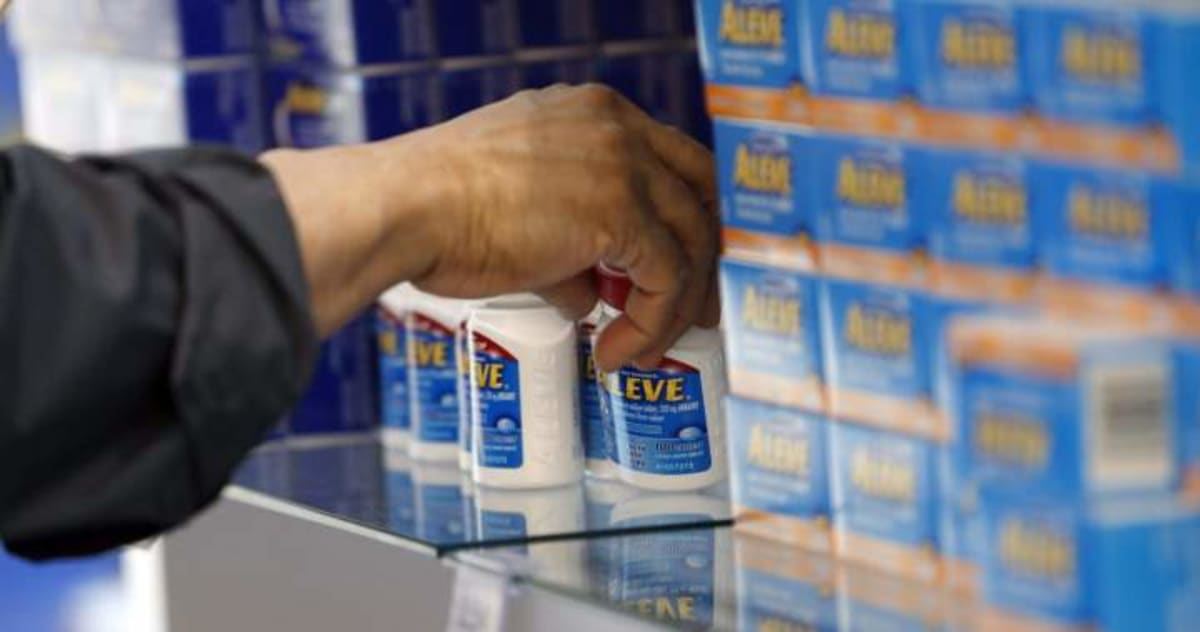
Bottles of beloved household staples—including Flintstones Complete Multivitamins and Minerals tablets, 10 mg Claritin Allergy Tablets, and Aleve—have been named in a newly issued recall. The underlying driver behind the action stems from reported distribution errors, prompting regulatory bodies to alert consumers and retailers alike to halt the sale and use of affected lots.
Understanding the Recall: What We Know
When consumers hear the word “recall,” panic is often the initial reaction. It is easy to assume the worst: chemical contamination, harmful bacterial growth, or severe foreign object defects. In this particular instance, the recall surrounding Flintstones Complete Multivitamins and Minerals tablets and Claritin 10 mg Allergy Tablets centers on distribution errors.
In the pharmaceutical and dietary supplement sectors, a distribution error typically involves products being released outside of strictly controlled regulatory channels. This can include units distributed to unauthorized geographic regions, inventory shipped without essential localized documentation or safety inserts, errors in batch tracking, or products transported under conditions that deviated from standard compliance protocols.
Even when a product formulation itself is correctly blended, strict pharmaceutical regulations require that every single bottle maintain an unbroken, fully documented chain of custody from the manufacturing floor to your local pharmacy shelf. When that verification chain is compromised at the distribution level, safety protocols dictate a swift withdrawal of the product to protect public health.
Why Household Staples Demand Heightened Vigilance
Recalls involving specialized prescription medications are often handled directly through pharmacy records, where pharmacists can contact individual patients by phone or email. Over-the-counter products like Claritin, Aleve, and Flintstones vitamins, however, present a unique public health challenge because they are purchased anonymously at supermarkets, big-box retailers, and corner pharmacies.
Flintstones vitamins, in particular, hold a cherished spot in family homes. Designed specifically to support growing bodies with essential nutrients, these chewables are given directly to young children. Any deviation in product distribution or regulatory oversight understandably raises parental concern, making clear, straightforward communication essential.
Similarly, Claritin 10 mg Allergy Tablets (loratadine) and Aleve (naproxen sodium) are widely used by adults managing chronic conditions such as seasonal allergic rhinitis, tension headaches, and arthritis flare-ups. Because consumers frequently buy multi-packs or store extra bottles in gym bags and office drawers, affected units can easily go unnoticed long after retail shelves are cleared.
Immediate Steps to Take in Your Home
If you regularly stock these common medications and supplements, take five minutes today to review your current supply. Navigating a product recall does not have to be overwhelming when you follow a structured checklist:
- Check your medicine cabinets and pantry: Locate all bottles of Flintstones Complete Multivitamins and Minerals tablets, Claritin 10 mg tablets, and Aleve currently in your home.
- Examine the packaging: Check the lot numbers and expiration dates printed on the bottom or side of the bottle. Retailers and official health agencies maintain updated registries detailing specific affected lot codes.
- Pause usage if in doubt: If your product matches an affected lot or if you are unable to confirm its distribution status, stop using the product immediately until you can consult your pharmacy or the manufacturer.
- Contact the place of purchase: Most major pharmacies and grocery retailers offer full refunds or direct exchanges for items affected by authorized safety recalls.
- Consult a healthcare provider: If you or your child have consumed an affected product and experienced unusual symptoms, reach out to your primary care physician or a licensed healthcare professional for personalized guidance.
The Broader Importance of Supply Chain Transparency
This recent recall highlights an increasingly vital conversation within modern wellness: the critical role of pharmaceutical supply chain integrity. We often evaluate supplements and pain relievers based solely on their active ingredients, brand reputation, or price point, rarely thinking about the complex logistical journey that brings a bottle to our neighborhood store.
Every medication and supplement relies on precise handling, accurate labeling, climate-controlled warehousing, and rigorous inventory tracking. When distribution systems fail to meet rigorous national standards, manufacturers issue voluntary recalls not necessarily because a pill is inherently dangerous, but because consumer safety depends on unwavering regulatory accountability.
As consumer health advocates, we should view these recalls as proof that surveillance systems are actively functioning. Rather than causing alarm, swift notices give everyday families the agency to make informed, protective decisions regarding what they bring into their homes.
How to Build a Safer Household Medicine Routine
Moments like this offer an ideal opportunity to refresh your family’s broader medication safety practices. Creating a routine of intentional oversight helps safeguard your household against expired products, mismatched dosages, and future recalls.
Start by scheduling a seasonal medicine cabinet audit every spring and autumn. Discard expired tablets, ensure all child-resistant caps are fully functional, and always keep medications in their original labeled containers rather than transferring them into unverified pill boxes. Storing medications in a cool, dry environment—away from the heat and humidity of bathroom showers—also preserves their chemical stability.
Key Takeaways for Consumers
- The Issue: Flintstones Complete Multivitamins, Claritin 10 mg Allergy Tablets, and Aleve have been targeted in a recall due to distribution errors.
- The Scope: The issue is grounded in regulatory and distribution compliance rather than confirmed chemical contamination.
- Your Action Plan: Inspect your medicine bottles, verify lot numbers with local pharmacies, halt consumption of recalled batches, and request a replacement or refund from your retailer.
Staying informed about the products you and your loved ones rely on is one of the simplest, most effective steps you can take for long-term health and peace of mind. Take a quick moment today to check your shelves, confirm your batch numbers, and ensure your home pharmacy remains safe and reliable.
Source Attribution: Article content originally reported by Rachel Morgan. Read original story coverage on Rachel Morgan →

Elena Rostova
WelloraDaily Editorial Team