Karwa Chauth Sargi: A Nutritionist's Guide to Staying Energized, Hydrated, and Safe
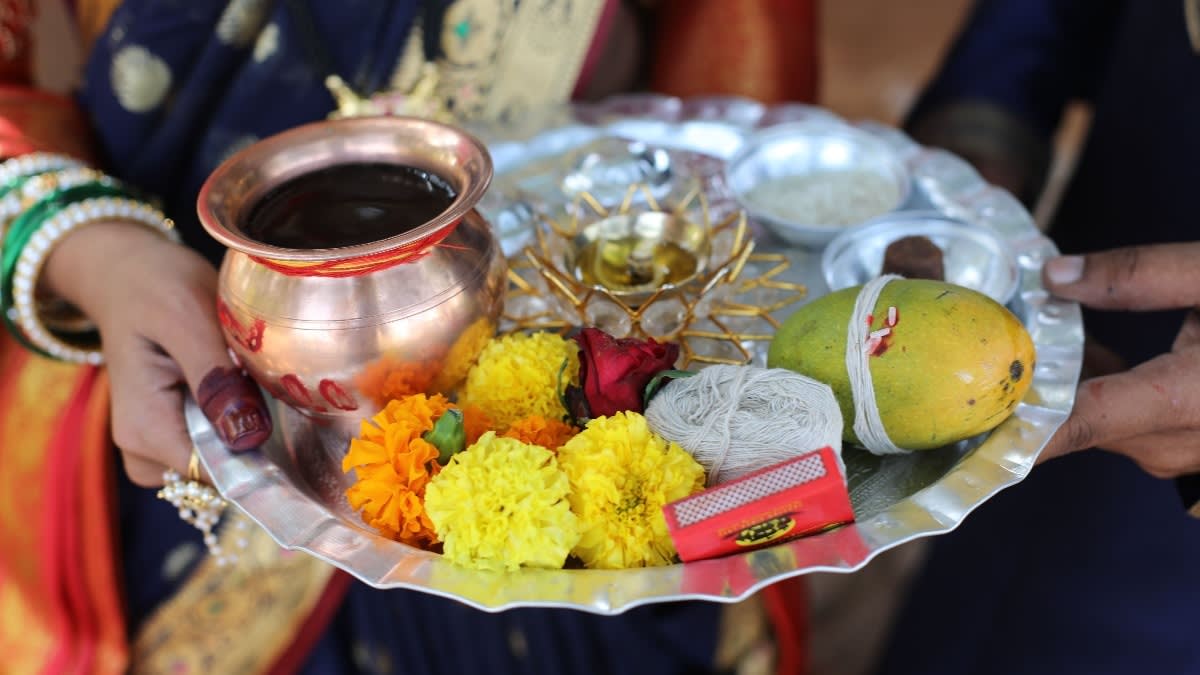
As dawn breaks on the sacred day of Karwa Chauth, millions of women across the country partake in the cherished pre-dawn ritual known as Sargi. Traditionally gifted by mothers-in-law, this early morning meal is both a shower of blessings and the sole nutritional foundation for an entire day of rigorous fasting. However, enduring a sunrise-to-moonrise dry fast (nirjala vrat) without food or a single drop of water is no small physical feat. Without a strategic nutritional approach, what should be a day of serene devotion and celebration can quickly turn into a grueling battle against severe headaches, dizziness, nausea, and intense lethargy.
To help navigate this demanding ritual while keeping physical well-being intact, renowned nutritionist Ishita Ganguly shares practical wisdom on designing a wholesome Sargi. Rather than viewing the pre-dawn meal as an excuse for an indulgent, heavy feast, Ishita Ganguly emphasizes that a well-formulated Sargi must prioritize long-lasting hydration, sustained energy release, and vital medical safeguards for vulnerable individuals. By understanding how the body processes nutrients during prolonged fasting, you can tailor your pre-dawn plate to support sustained stamina throughout the day.
The Science of Pre-Dawn Sustenance: Building a Balanced Sargi
Many traditional Sargi platters are dominated by deep-fried delicacies and sugar-laden sweets. While culturally comforting, these foods can disrupt your metabolic balance within hours of sunrise. High refined sugars cause a rapid spike in blood glucose, prompting an immediate surge of insulin that leads to an abrupt midday energy crash. Meanwhile, heavily salted and fried items draw moisture from your cells into the digestive tract, accelerating feelings of thirst.
Ishita Ganguly emphasizes building your plate around nutrient-dense, slow-digesting whole foods that provide sustained nourishment:
- Complex Carbohydrates: Replace refined flour pastries and parathas with complex grains like rolled oats, multigrain rotis, or stuffed vegetable parathas cooked with minimal ghee. These complex carbs break down gradually into glucose, supplying a steady stream of physical energy throughout the afternoon.
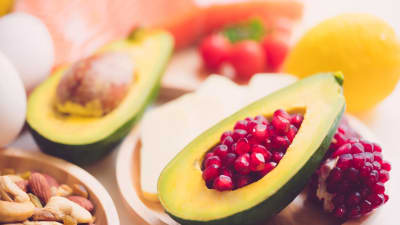
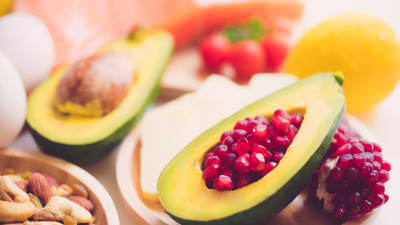
- High-Quality Protein: Protein induces satiety and keeps hunger hormones like ghrelin suppressed for longer periods. Including fresh paneer, a bowl of homemade curd (dahi), boiled eggs, or sprouted legumes in your Sargi helps maintain muscle energy and prevents gnawing hunger pangs.
- Healthy Fats: Good fats slow gastric emptying, prolonging the feeling of fullness. A small handful of unsalted almonds, walnuts, and pumpkin seeds adds essential omega fatty acids and micronutrients that stabilize energy levels.
Mastering Cellular Hydration: Why Chugging Water Is Not Enough
One of the most common pitfalls people encounter during the pre-dawn meal is desperately gulping down two or three tall glasses of plain water minutes before the morning cut-off time. Far from keeping you hydrated, this sudden deluge simply overwhelms your kidneys, triggering frequent trips to the washroom within the first two hours of the morning and flushing out vital electrolytes.
Nutritionist Ishita Ganguly explains that hydration before a dry fast must be planned strategically and integrated into the food itself. Cellular hydration—the process by which water is bound to soluble fiber and minerals—allows your body to absorb fluids slowly and steadily over several hours:
- Hydrating Fruits: Incorporate water-rich fruits such as pomegranates, apples, pears, and papayas. These provide vital vitamins and slow-release natural sugars while hydrating your tissues.
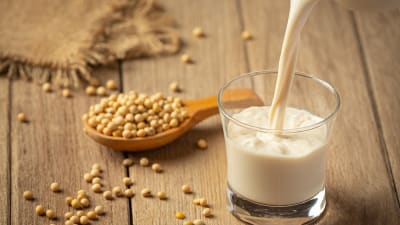
- Electrolyte-Rich Beverages: Fresh coconut water or a glass of diluted buttermilk (chaas) seasoned with a pinch of roasted cumin and minimal salt restores potassium, magnesium, and sodium balance, preventing dehydration-induced headaches.
- Soaked Seeds: Chia seeds or basil (sabja) seeds soaked in warm water or milk form a gelatinous soluble fiber coating. When ingested, they slowly release their water content during the digestive process, acting as an internal hydration reservoir.
What to Avoid: Eliminating Foods That Provoke Thirst and Acidity
Knowing what to leave off your Sargi plate is just as crucial as knowing what to include. Certain staple festive foods are notorious for sabotaging digestive health during long hours of fasting:
- Traditional Mithai and Refined Sugars: Sweets like jalebis, gulab jamuns, and sugar-heavy halwas might feel like an instant energy boost, but they trigger severe reactive hypoglycemia, leaving you shaky, irritable, and ravenous by midday.
- Excess Sodium and Pickles: Savory snacks like deep-fried mathris, papads, and spicy pickles cause hyperosmolarity in the bloodstream, triggering intense thirst signals that make the dry fast far more uncomfortable than it needs to be.
- Caffeinated Beverages: While a hot cup of strong tea or coffee is tempting during the early morning chill, caffeine is a natural diuretic. It stimulates fluid loss and can also irritate the gastric lining, significantly increasing the risk of acid reflux on an empty stomach.
Crucial Medical Precautions for Vulnerable Women
While Karwa Chauth carries immense emotional and spiritual significance, physical health must never be compromised. Ishita Ganguly explicitly advises that vulnerable women—including pregnant mothers, lactating women, elderly individuals, and those with chronic medical conditions—must take stringent precautions before deciding to fast.
Individuals managing chronic conditions such as type 1 or type 2 diabetes, chronic kidney disease, or severe hypertension should not attempt an unmonitored dry fast. For diabetic individuals, fasting without fluids or complex carbohydrate management can lead to dangerous episodes of hypoglycemia or ketoacidosis. Similarly, women dealing with severe gastroesophageal reflux disease (GERD) or peptic ulcers may experience acute mucosal inflammation if the stomach remains empty for extended hours.
Vulnerable groups should consult their primary physician before undertaking the fast. In many instances, doctors and nutritionists recommend practical modifications, such as observing a modified fast that allows water, coconut water, and herbal teas, or taking prescribed medications with light, frequent fruit snacks throughout the day.
Breaking the Fast: Protecting Your Gut at Moonrise
After a full day of abstinence, the natural instinct at moonrise is to celebrate with an elaborate, rich dinner. However, shocking a dormant digestive system with heavy, oily food can trigger acute indigestion, bloating, and abdominal cramps.
Break your fast gently by first sipping a glass of warm water or light lemon water, accompanied by one or two soft dates or a slice of sweet fruit. Allow your digestive enzymes fifteen to twenty minutes to reactivate before sitting down to a wholesome, comforting meal such as moong dal khichdi, steamed rice with light dal, or vegetable stew with a soft roti. By treating both the beginning and the conclusion of your fast with mindful care, you can honor your traditions while preserving your vitality, comfort, and long-term health.
Source Attribution: Article content originally reported by indiatoday.in. Read original story coverage on indiatoday.in →

Elena Rostova
WelloraDaily Editorial Team