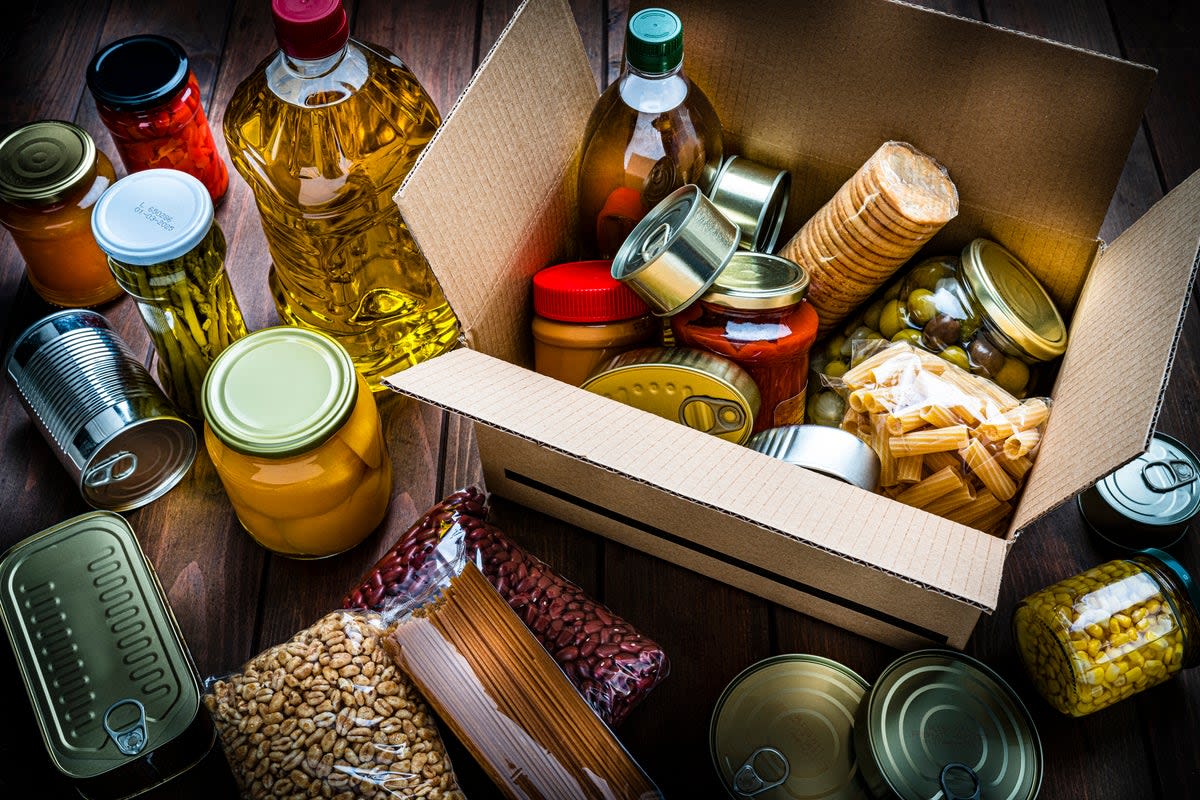
What to Keep in Your Emergency Food Kit, According to a Nutritionist
When unexpected events strike—whether a severe winter storm knocks out the power grid, an unexpected supply disruption occurs, or illness leaves you stuck indoors for days—what does your pantry actually look like? For most people, emergency food planning is an afterthought. It usually involves dusty cans of high-sodium soup, instant noodles, or sugary energy bars tossed haphazardly into a cupboard.
However, when you are navigating a stressful situation, your body needs steady energy, balanced blood sugar, and immune-supporting micronutrients more than ever. Registered nutritionist Rhiannon Lambert advocates for a smarter, health-first approach to emergency preparedness. Her philosophy centers on building a reserve of shelf-stable, nutrient-dense staples that require little to no preparation and zero reliance on electricity.
The Problem with Traditional Emergency Food Pantries
Most commercial emergency rations and typical canned goods share common drawbacks: excessive sodium, refined carbohydrates, artificial additives, and minimal fiber. While these items provide calories, they can trigger sharp spikes and crashes in blood sugar, leaving you feeling fatigued, irritable, and dehydrated. Furthermore, many survival meals require boiling water, which becomes impractical if gas or electrical services are cut off.
A thoughtful emergency stock curated from a nutritional perspective does two critical things: it ensures adequate macro- and micronutrient intake, and it protects digestive comfort during high-stress scenarios. Lambert highlights that stocking up doesn't mean purchasing specialized survival meals; it means selecting versatile whole foods that happen to have a long shelf life.
Pillar 1: Sustained Protein That Requires No Cooking
Protein is essential for muscle maintenance, tissue repair, and long-term satiety. Under stress, your body’s cortisol levels rise, which can accelerate muscle breakdown if calorie and protein intake drop significantly. Lambert emphasizes shelf-stable proteins that can be eaten straight from the package:
- Tinned Oily Fish: Canned sardines, mackerel, salmon, and tuna are nutritional powerhouses. Beyond providing high-quality protein, they deliver anti-inflammatory omega-3 fatty acids, vitamin D, and essential minerals like selenium. Opt for varieties packed in extra virgin olive oil or spring water rather than heavy brine.
- Canned Legumes: Chickpeas, black beans, and lentils are pre-cooked and ready to eat cold. Rinse them if water allows to reduce excess sodium, or combine them directly with canned vegetables and healthy fats for an instant bean salad.
- Nut and Seed Butters: Almond butter, peanut butter, and sunflower seed butter provide concentrated protein, healthy fats, and magnesium. They are shelf-stable for months and require absolutely no preparation.
- Vacuum-Sealed Pouches of Tofu or Tempeh: Many modern plant-based protein options now come in shelf-stable, ambient-temperature packaging with generous expiration dates.
Pillar 2: Complex Carbohydrates and Fiber for Blood Sugar Balance
Carbohydrates are your brain’s preferred fuel source, but relying on refined crackers or white flour can cause rapid energy swings. Lambert suggests stocking carbohydrates that retain their natural fiber to keep digestion regular and energy levels consistent:
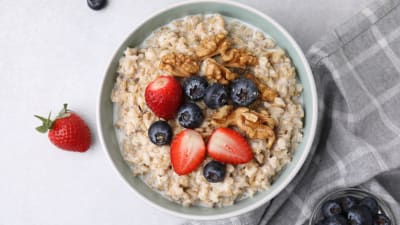
- Rolled Oats: Oats do not require cooking; they can be soaked in ambient-temperature water for 15 to 20 minutes to create an easy, digestion-friendly meal packed with prebiotic beta-glucan fiber.
- Pre-Cooked Grain Pouches: Steamed brown rice, quinoa, and ancient grain blends are available in shelf-stable pouches. While designed to be microwaved, they are fully cooked and safe to consume at room temperature.
- Sprouted Seed and Whole-Grain Crackers: Look for dense crackers made from flaxseeds, chia seeds, sesame seeds, and whole rye, which offer lasting crunch along with trace minerals and healthy fats.
Pillar 3: Calorie-Dense Healthy Fats for Vital Energy
Fats are the most calorie-dense macronutrient, providing nine calories per gram compared to four calories per gram for protein and carbohydrates. In an emergency kit, compact caloric density is crucial because it allows you to store substantial nutritional value in limited space.
Lambert recommends keeping high-quality cold-pressed extra virgin olive oil in dark glass bottles, which preserves its antioxidant polyphenols. Adding a tablespoon of olive oil to cold canned beans or grains instantly boosts calories, supports fat-soluble vitamin absorption (vitamins A, D, E, and K), and enhances overall palatability. Raw walnuts, pumpkin seeds, and chia seeds also provide essential alpha-linolenic acid (ALA) without requiring refrigeration.
Pillar 4: Micronutrients and Antioxidants from Preserved Produce
A common mistake in emergency kits is neglecting plant diversity. When fresh produce is unavailable, shelf-stable fruits and vegetables prevent vitamin deficiencies and support gut microbiota health:
- Canned Tomatoes and Tomato Paste: Exceptionally rich in lycopene, a potent antioxidant that supports cardiovascular and cellular health.
- Freeze-Dried Vegetables and Berries: Freeze-drying retains up to 90% of the produce's original vitamin and mineral profile while eliminating moisture, yielding an ultra-lightweight, long-lasting nutrient boost.
- Unsweetened Fruit Cups and Purees: Applesauce and canned peaches packed in 100% real fruit juice offer vitamin C and hydration without added refined sugars.
Smart Hydration: Beyond Just Gallons of Water
Water is the cornerstone of any emergency kit. The standard guideline is one gallon of drinking water per person per day, with an ideal baseline of a three-to-seven-day supply. However, Lambert notes that hydration is not merely about fluid volume; it is also about mineral balance.
Stress, sweating, and disruptions to routine can deplete electrolytes rapidly. Storing electrolyte tablets or rehydration packets with balanced sodium, potassium, and magnesium ratios ensures your cells retain water effectively and prevents low-blood-pressure headaches during an emergency.
Best Practices for Maintaining Your Emergency Stock
An emergency kit is only useful if the items inside are safe to eat when you actually need them. Implement these practical storage habits recommended by food safety experts:
- The FIFO Method (First In, First Out): Place newly purchased tins and packages at the back of the shelf and bring older items to the front. Regularly incorporate items reaching their six-month mark into your daily meals.
- Invest in Manual Tools: Even the most well-stocked emergency pantry is useless without a functional, heavy-duty manual can opener, a multi-tool, and reusable cutlery.
- Temperature and Light Control: Store food in a cool, dark, and dry environment. Ambient heat and sunlight accelerate the oxidation of fats in nuts and oils, drastically reducing shelf life.
Key Takeaways for Building Your Kit Today
Building a resilient emergency pantry does not require expensive specialized rations. By focusing on whole, unprocessed foods with natural longevity, you can assemble a reserve that safeguards your physical and mental health through any unexpected event.
- Prioritize shelf-stable proteins like canned wild fish and legumes that do not require heating.
- Include fiber-rich carbohydrates such as rolled oats and pre-cooked grain pouches to stabilize energy.
- Rely on healthy fats, including olive oil and mixed seeds, to supply compact calories.
- Rotate your supplies every six months to guarantee maximum freshness and nutritional integrity.
Source Attribution: Article content originally reported by Rebecca Whittaker. Read original story coverage on Rebecca Whittaker →

Elena Rostova
WelloraDaily Editorial Team