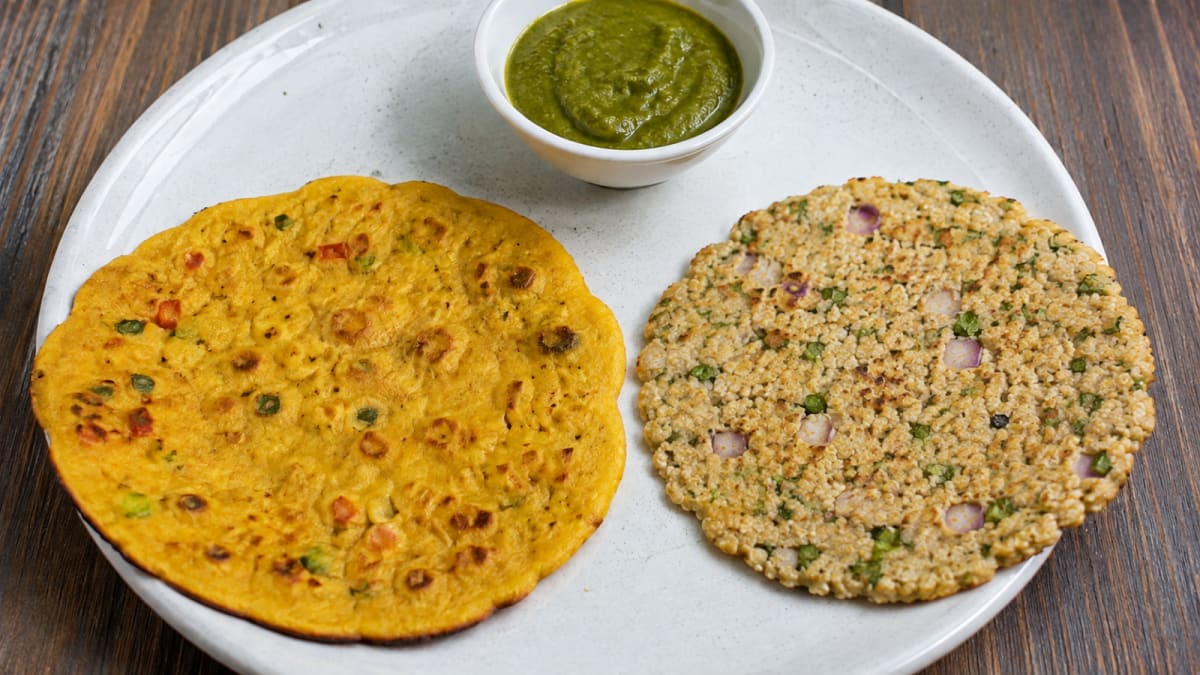
Oats Cheela vs. Besan Cheela: Which Breakfast Staple Delivers More Protein?
When the morning alarm rings and your stomach starts rumbling, finding a breakfast that checks every box—quick to whip up, intensely satisfying, and packed with steady energy—can feel like a daily culinary puzzle. For generations, the humble cheela has stood as a reliable hero across countless kitchens. Crisp along the edges, tender in the center, and endlessly adaptable, this savory Indian pancake bridges the gap between comfort food and clean nutrition.
Yet, as more of us rethink our morning macronutrients to favor protein and sustained fullness, a classic debate inevitably sparks over the stove: between the traditional chickpea flour (besan) cheela and its modern counterpart, the oats cheela, which one genuinely packs more protein? Dietitians and nutritionists frequently weigh in on this comparison, and the answer involves far more than just raw numbers—it is about how that protein works alongside fiber, micronutrients, and intelligent kitchen pairings.
The Tale of Two Flours: Unpacking Besan and Oats
To truly understand how these two staples stack up, we need to trace back to their origins. While both star in batter-based breakfast preparations, they originate from entirely different botanical families and offer unique metabolic advantages.
The Traditional Heavyweight: Besan (Gram Flour)
Besan is crafted from ground brown chickpeas (Bengal gram or chana dal). Because it is derived purely from legumes, it inherently carries the nutritional hallmarks of the pulse family: rich concentrations of plant-based protein, complex carbohydrates, and an impressive dose of dietary minerals.
On average, 100 grams of dry besan contains roughly 20 to 22 grams of protein. In a typical home cooking scenario, a single standard cheela made with two to three tablespoons of besan (roughly 30 grams) yields approximately 6 to 7 grams of protein before any additions. Beyond protein, besan is loaded with zinc, folate, and magnesium, all of which play key roles in cellular repair and energy metabolism.
The Modern Contender: Rolled or Powdered Oats
Oats, on the other hand, are whole cereal grains. Historically consumed as warm porridge, rolled oats ground into a fine flour have become a beloved base for savory batters. Oats bring a softer crumb and a slightly earthy, nutty flavor to the pan.
From a protein perspective, dry oats yield approximately 13 to 17 grams of protein per 100 grams, depending on the variety and processing method. A standard single-serving cheela utilizing roughly 30 grams of oat flour delivers about 4 to 5 grams of protein. While that sits slightly lower than besan, oats hold a legendary trump card: a soluble dietary fiber known as beta-glucan, celebrated for stabilizing blood glucose spikes and keeping LDL cholesterol in check.
The Verdict on Protein: Who Takes the Crown?
If we measure purely gram-for-gram in raw flour, besan takes the lead. As a pulse flour, besan naturally outpaces cereal grain flours when it comes to protein density. For individuals strictly seeking to maximize plant-based amino acid intake per bite without altering the base recipe, besan provides an edge.
However, nutrition science emphasizes that quality and synergy matter just as much as quantity. Neither oats nor chickpeas represent a complete protein on their own, meaning they lack optimal levels of all nine essential amino acids. Chickpeas tend to be lower in sulfur-containing amino acids like methionine, while oats are somewhat limited in lysine. This is precisely why how you dress up and serve your cheela transforms the entire metabolic equation.
How to Turn a Humble Cheela into a Nutritional Powerhouse
A bare-bones batter cooked with water and oil will only carry you so far through a demanding morning. As nutritionists frequently point out, the real magic happens when you treat the cheela batter as a canvas for high-impact additions. Here is how simple upgrades turn a light breakfast into a robust, muscle-repairing meal.
1. Enrich with Grated Paneer or Tofu
If you want to dramatically spike the protein score of either oat or besan cheela, dairy or soy is your most immediate ally. Folding 30 to 40 grams of freshly grated low-fat paneer or firm tofu directly into the batter—or stuffing it inside like a savory wrap—adds roughly 6 to 8 grams of complete protein. This not only elevates the texture into something decadently rich but also provides vital calcium and healthy fats that delay gastric emptying, staving off mid-morning hunger pangs.
2. Blend with Whisked Curd (Dahi)
Instead of relying purely on water to adjust your batter consistency, whisk in thick homemade curd or Greek yogurt. Curd brings natural moisture, a delicate tang, and bioavailable dairy protein. Furthermore, the active cultures support gut microbiome balance, which enhances nutrient absorption and digestion—especially useful for individuals who occasionally find raw chickpea flour heavy on the stomach.
3. Load Up on Fiber-Rich Vegetables
While vegetables add modest amounts of protein, their real value lies in micro-nutrition, volume, and glycemic control. Incorporating finely chopped spinach, grated zucchini, shredded carrots, bell peppers, and fresh cilantro slows down digestion even further. This blunts post-prandial glucose surges and guarantees steady, non-crashing mental clarity throughout your morning work sessions.
4. Harness Seeds and Healthy Fats
A sprinkle of roasted flaxseeds, chia seeds, or hemp hearts into the batter introduces plant-based omega-3 fatty acids and a subtle nutty crunch. Cooking with minimal ghee or cold-pressed mustard oil helps your body absorb the fat-soluble vitamins present in your added vegetables.
Besan vs. Oats: Choosing the Right Champion for Your Goals
Because nutrition is never one-size-fits-all, the optimal choice between these two batter staples often hinges on your specific lifestyle needs and dietary tolerances:
- Opt for Besan Cheela if: Your primary objective is maximizing protein per calorie, supporting strength training, or adhering to traditional pulse-centric meal planning. Its distinct savory taste also pairs effortlessly with classic Indian spices like carom seeds (ajwain), cumin, and turmeric.
- Opt for Oats Cheela if: You are actively managing cholesterol, prefer a lighter digestive load, or desire a neutral base that pairs well with subtle herbs. Oats cheela is particularly gentle on sensitive digestive tracts that might react to the oligosaccharides present in chickpea flour.
- The Ultimate Hybrid Strategy: Why choose at all? Many dietitians recommend creating a 50:50 blend of besan and oat flour. Combining both allows you to capture the higher protein density and lysine of chickpeas alongside the heart-protecting beta-glucans and delicate texture of oats.
Key Takeaways for Your Morning Routine
Elevating your morning breakfast does not demand hours of meal prep or complicated supplements. By understanding the core strengths of common kitchen ingredients, you can build balanced meals tailored to your health objectives:
- Besan wins the raw protein race: Gram flour naturally contains roughly 20-22% protein compared to oats' 13-17%.
- Oats dominate for heart health: Beta-glucan soluble fiber makes oats superior for long-term lipid management and smooth digestion.
- Additions define the meal: Turning a basic cheela into an energizing meal relies heavily on additions like paneer, tofu, curd, and vibrant vegetables.
- Balance is key: Mixing flours or alternating them throughout your week guarantees a diverse intake of essential amino acids and micronutrients.
Tomorrow morning, when you pull out the mixing bowl, treat your cheela as more than just a quick bite. With a thoughtful combination of flour, fresh curd, and wholesome fillings, you can fuel your day with a breakfast that is as nourishing as it is delicious.
Source Attribution: Article content originally reported by Vaibhavi Mishra. Read original story coverage on Vaibhavi Mishra →

Elena Rostova
WelloraDaily Editorial Team