6 Simple, Low-Effort Habits That Instantly Boost the Nutrition of Any Meal
Between demanding work schedules, family commitments, and an endless to-do list, finding the energy to cook elaborate, nutrient-dense meals can feel overwhelming. Many of us fall into the trap of thinking healthy eating is an all-or-nothing endeavor. We assume that unless we spend our entire Sunday chopping seasonal produce and measuring macros into identical glass containers, our diets are falling short.
Here is the refreshing truth: optimal nutrition rarely requires a complete kitchen overhaul or hours hovering over a hot stove. In clinical nutrition, one of the most sustainable concepts is the principle of addition rather than subtraction. Instead of stressing over what you need to cut out, focus on what you can easily sprinkle, stir, or fold in. By making a few effortless adjustments, you can dramatically upgrade the nutrient density of your favorite comfort foods in mere seconds.
1. Sneak Mild Greens into Warm Dishes
Leafy greens are nutritional powerhouses packed with vitamins A, C, and K, as well as folate, iron, and protective antioxidants. Yet, sitting down to an enormous raw salad every single day is not everyone's idea of culinary comfort. Fortunately, tender greens like baby spinach, chopped baby kale, and Swiss chard have a unique superpower: they wilt down to almost nothing when exposed to gentle heat.
Whenever you are reheating a bowl of leftover chili, simmering a jarred marinara sauce, or whipping up scrambled eggs, stir in two large handfuls of baby spinach. Within sixty seconds, the greens will collapse into the dish, adding valuable micronutrients, hydration, and dietary fiber without altering the core flavor profile or texture of your meal.
2. Sprinkle on Supercharged Seeds
Seeds are essentially tiny packets of concentrated vitality designed by nature to nurture new plant life. Because of this, they punch far above their weight class in nutritional value. Hemp hearts, chia seeds, ground flaxseed, and toasted pumpkin seeds deliver meaningful doses of plant-based protein, gut-loving fiber, and heart-healthy omega-3 fatty acids.
The beauty of seeds lies in their culinary versatility. Keep small jars of shelled hemp hearts and ground flax directly on your countertop or front-and-center in your pantry so they remain top of mind:
- Hemp hearts: Mild and nutty, these blend seamlessly into oatmeal, grain bowls, and creamy pasta dishes while providing a complete plant protein profile.
- Ground flaxseed: Stir a tablespoon into baked goods, pancake batter, or morning smoothies to support digestive motility and healthy cholesterol levels.
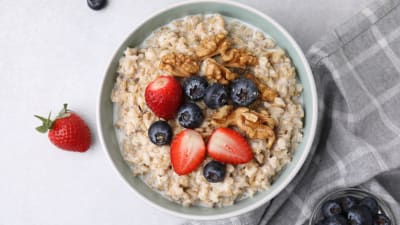
- Chia seeds: Sprinkle them over yogurt, overnight oats, or fresh fruit for a gradual, slow-burning source of hydration and soluble fiber.
3. Fortify Everyday Dishes with Beans and Lentils
Legumes are consistently ranked among the world's most longevity-promoting foods, celebrated for their rare combination of complex carbohydrates, prebiotic fiber, and lean protein. However, you do not have to cook dry beans from scratch to reap their physiological rewards.
A well-stocked pantry of low-sodium canned lentils, chickpeas, and black beans offers an immediate shortcut to better metabolic health. Try blending half a can of rinsed cannellini beans directly into creamy vegetable soups or jarred Alfredo sauce to create a velvety richness without relying heavily on heavy cream. Alternatively, fold canned brown lentils into your ground beef or turkey when preparing taco filling, bolognese, or shepherd's pie. You instantly double the fiber content, slash the saturated fat, and stretch your grocery budget further.
4. Drizzle Finishing Fats for Nutrient Absorption
For decades, dietary advice pushed low-fat and fat-free products, inadvertently convincing millions of people to fear culinary oils. Modern nutritional science, however, emphasizes that healthy fats are indispensable for optimal health. Vitamins A, D, E, and K are fat-soluble, meaning your gastrointestinal tract cannot efficiently absorb them without the presence of dietary lipids.
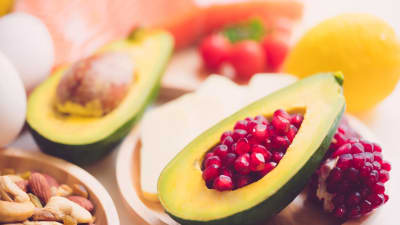
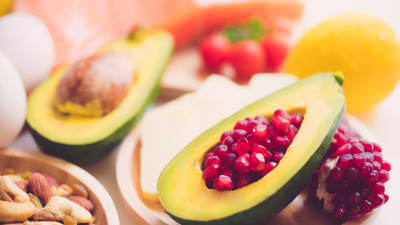
To turn this biological reality into an easy upgrade, finish your meals with a generous splash of high-polyphenol extra virgin olive oil, half a sliced avocado, or a handful of toasted walnuts. Extra virgin olive oil acts as an anti-inflammatory tonic for the cardiovascular system while enhancing the bioavailability of carotenoids and antioxidants found in accompanying vegetables.
5. Upgrade Flavor and Cellular Defense with Herbs and Spices
Salt and pepper are kitchen staples, but broadening your spice horizon is one of the fastest, zero-calorie methods to boost the antioxidant capacity of your meals. Culinary herbs and spices contain concentrated plant compounds known as polyphenols, which help neutralize cellular oxidative stress and support healthy inflammatory responses.
Instead of relying solely on heavy sauces or artificial seasonings to elevate flavor, lean on nature's spice rack:
- Turmeric and cracked black pepper: Perfect for roasted root vegetables, curries, or tofu scrambles. The piperine in black pepper enhances the absorption of curcumin, turmeric's active anti-inflammatory compound, by up to 2,000 percent.
- Cinnamon: Add a generous dash to coffee grounds before brewing, or stir it into oatmeal to help stabilize post-meal blood sugar fluctuations.
- Garlic and rosemary: Rich in bioactive sulfur compounds and rosmarinic acid, these savory additions protect vascular health and infuse roasted meats and vegetables with bold flavor.
6. Lean Heavily on the Freezer Aisle
One of the most persistent myths in modern wellness is that fresh produce is inherently superior to frozen alternatives. In reality, produce destined for the freezer aisle is typically harvested at peak nutritional ripeness and flash-frozen within hours, locking in essential vitamins and minerals that often degrade during long cross-country transport and days spent resting in grocery bins.
Frozen produce also eliminates the friction of washing, peeling, and chopping—not to mention the guilt of discovering forgotten, slimy greens in your refrigerator's crisper drawer. Keep bags of frozen sweet peas, cut green beans, riced cauliflower, and wild blueberries on hand at all times. You can toss frozen riced cauliflower into a smoothie without altering the flavor, or drop frozen peas directly into mac and cheese or simmering noodle dishes during the final two minutes of cooking.
The Power of Micro-Habits in Everyday Wellness
Lasting nutritional transformation is rarely born from drastic, restrictive diets that disrupt your lifestyle. More often, vibrant health is built through quiet, frictionless micro-habits repeated consistently over months and years.
By treating each meal as an open canvas for small, effortless additions—whether that means folding in a handful of greens, sprinkling chia seeds, or emptying a bag of frozen peas into a skillet—you remove the stress from healthy eating. Focus on progress, embrace practical shortcuts, and let the compounding power of small nutritional upgrades work for you.
Source Attribution: Article content originally reported by mindbodygreen.com. Read original story coverage on mindbodygreen.com →

Elena Rostova
WelloraDaily Editorial Team