The Stealth Super-Crop: How Soybeans Quietly Conquered the American Diet
The Stealth Super-Crop: How Soybeans Quietly Conquered the American Diet
Quick question: Did you eat soybeans today? If you are like most people, your immediate answer is probably a firm “no.” Unless you deliberately snacked on a bowl of steamed edamame, poured soy sauce over sushi, or enjoyed a stir-fry packed with golden-seared tofu, you might assume that soy rarely crosses your lips. Yet, behind the scenes of the modern food industry, the reality is startlingly different.
Without ever making a grand entrance on dinner plates, soybeans have quietly woven themselves into nearly every layer of the grocery store. From the dressing drizzled across your lunch salad to the golden crust on your evening bread, this humble legume has become one of the most dominant forces in modern nutrition. Let’s pull back the curtain on how soybeans conquered our food system—and what their pervasive presence means for your health.
The Invisible Footprint in Your Pantry
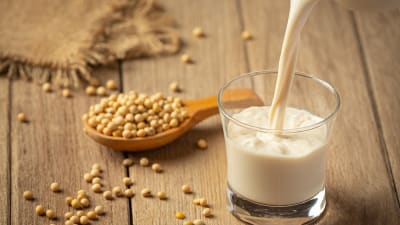
To understand how soy took over without fanfare, one must first look at what form it takes. When agricultural giants harvest millions of bushels of soybeans, very little of that crop is packaged directly into bags of dried beans or pressed into traditional tofu. Instead, industrial food processors crush the beans to separate them into two main commercial commodities: oil and protein meal.
Soybean oil is where the invisible takeover truly happened. If you check the ingredient statement on any commercially prepared salad dressing, mayonnaise, bottled marinara sauce, frozen dinner, or baked treat, there is an overwhelming probability you will find soybean oil listed among the top ingredients. In fact, research indicates that soybean oil accounts for a massive share of the added fats and calories consumed in Western diets today.
From Ancient Asian Staple to American Industrial Giant
How did a crop native to East Asia, cultivated for centuries in China and Japan, become a centerpiece of the United States agricultural landscape? The transformation gained immense traction in the mid-to-late 20th century, propelled by a combination of industrial innovation, agricultural policy, and commercial food science.
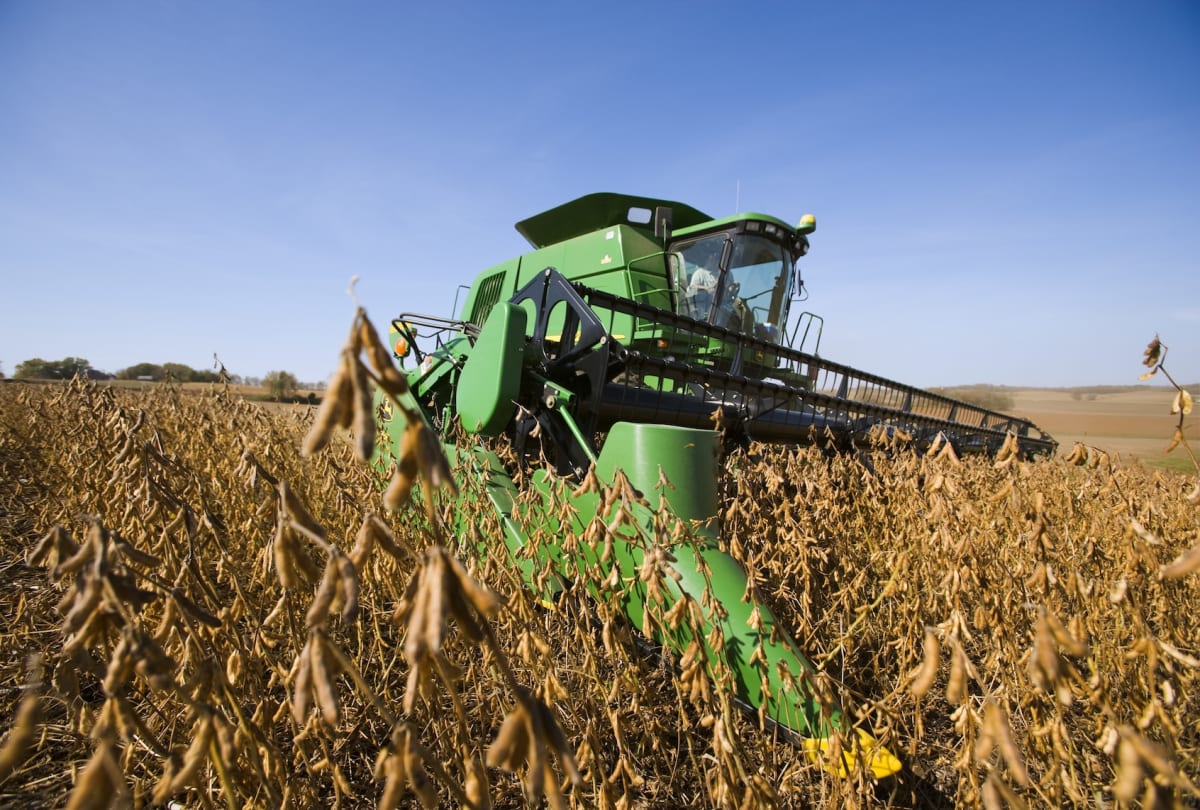
American farmers discovered that soybeans were the ultimate rotation crop. Because legumes possess the unique biological ability to fix atmospheric nitrogen back into depleted soil, planting soybeans in alternating seasons with corn helped replenish farm fields naturally. Combined with government agricultural incentives and advances in mechanical harvesting, domestic yields soared.
At the exact same time, commercial food manufacturers were searching for cheap, shelf-stable, and highly functional ingredients to mass-produce packaged goods. Soy fit the bill like no other crop on Earth. Food scientists could transform it into stable cooking oils, bind moisture in processed deli meats using textured vegetable protein, and stabilize emulsions in chocolate and baked goods using soy lecithin.
The Secondary Highway: Soy in the Meat Aisle
Even if you avoid processed baked goods and read every condiment label with an eagle eye, you are still likely a heavy consumer of the soybean economy. Why? Because the lion’s share of the world’s soybean harvest does not go directly to humans at all; it feeds livestock.
Soybean meal provides an exceptionally dense, complete protein profile that makes it the premier feed for poultry, pork, dairy cattle, and farmed fish. The chicken breast you sautéed for dinner or the bacon you enjoyed over the weekend was, in large part, grown on a diet composed heavily of soybean meal. Through modern animal agriculture, soybeans operate as the quiet engine driving meat production.
Dissecting the Health Implications: The Good, the Bad, and the Nuanced
Because soy has infiltrated so much of the food supply, health practitioners and nutrition enthusiasts frequently debate its long-term effects. The scientific consensus reveals that soy is neither a miracle panacea nor an outright villain; its nutritional impact depends almost entirely on the form in which it is consumed.
1. Whole and Minimally Processed Soy: The Clear Winner
Traditional soy foods like edamame, tempeh, natto, miso, and plain tofu boast an impressive nutritional pedigree. They are naturally rich in complete plant protein, dietary fiber, iron, calcium, and antioxidant compounds known as isoflavones. Decades of epidemiological studies looking at populations consuming traditional Asian diets have linked whole soy consumption with favorable cardiovascular markers and lower risks of certain chronic conditions.
2. Highly Refined Soybean Oil: An Omega-6 Overload
The health narrative shifts significantly when analyzing the refined soybean oil flooding commercial kitchens and ultra-processed snacks. Soybean oil is remarkably rich in linoleic acid, an essential omega-6 polyunsaturated fatty acid. While the human body requires omega-6 fats, modern diets frequently present an enormous imbalance between omega-6 and anti-inflammatory omega-3 fatty acids. An excessive ratio of omega-6 to omega-3 has been linked by numerous nutritional researchers to systemic low-grade inflammation, metabolic strain, and altered gut health.
3. Emulsifiers and Isolates: Ubiquitous but Nutrient-Poor
Ingredients like soy protein isolate, hydrolyzed soy protein, and soy lecithin serve structural and texturizing functions in pre-packaged foods. While generally safe and effective at boosting protein counts on nutrition labels, they lack the vitamins, minerals, and dietary fiber found in whole beans. Relying heavily on them means consuming soy stripped of its natural whole-food matrix.
How to Navigate the Modern Soy Landscape
Given how deeply entrenched soy has become in our everyday food ecosystem, attempting to eliminate it entirely is both practically difficult and, for most healthy individuals, unnecessary. Instead, the smart wellness strategy is intentionality.
- Flip the package over: Scan beyond the front marketing claims. Look at the ingredient list for “soybean oil,” “soy lecithin,” and “hydrolyzed soy protein” to truly understand what you are eating.
- Upgrade your cooking fats: When cooking at home, reach for extra-virgin olive oil, avocado oil, or cold-pressed seed oils instead of generic “vegetable oil” blends, which are almost universally refined soybean oil.
- Choose traditional forms: If you want to harness the genuine nutritional benefits of soy, opt for whole or fermented options like tempeh, edamame, or organic tofu rather than protein bars pumped full of soy isolates.
- Prioritize pasture-raised animal products: When budget allows, purchasing pasture-raised meats and eggs introduces more dietary variety and healthy fatty acid profiles into your meal plan.
Key Takeaways for Conscious Eaters
The story of how soybeans conquered the American diet is a masterclass in modern food engineering and agricultural economics. By transforming from a regional staple into an invisible commodity, soy enabled the rise of the modern packaged food industry.
You do not need to fear soy, but understanding its dual nature—as both a nutrient-dense whole food and the ubiquitous backbone of ultra-processed goods—empowers you to make conscious, deliberate choices every time you walk down the grocery aisle.
Source Attribution: Article content originally reported by Edward D Melillo. Read original story coverage on Edward D Melillo →

Elena Rostova
WelloraDaily Editorial Team