Why Prioritising Protein in Midlife Changes Everything: 6 Science-Backed Habits Inspired by Suranne Jones
When award-winning actress Suranne Jones opened up about reshaping her daily routine in her late forties, one foundational shift took centre stage: putting protein first. For years, conventional wellness narratives encouraged women to eat less, cut portions, and survive on light salads. Yet as midlife approaches, the body demands an entirely different playbook. Rather than restriction, thriving through your late forties and beyond requires intentional nourishment, stable energy, and structural support.
Suranne Jones' approach reflects a growing, scientifically validated movement in women's health. Entering your mid-to-late forties often brings subtle changes in energy levels, sleep quality, muscle recovery, and body composition. By refocusing on adequate protein intake and balanced nutrition, it is entirely possible to feel stronger, sharper, and more vibrant than ever. Here is a closer look at the nutritional science behind midlife wellness and the six key dietary habits that can help you feel your absolute best.
The Midlife Shift: Why Protein Becomes Essential After 40
From around the age of thirty, our bodies naturally begin to lose muscle mass at a rate of roughly 3 to 8 percent per decade—a process known clinically as sarcopenia. Once women hit their forties and enter perimenopause, fluctuating oestrogen levels accelerate this decline. Because oestrogen plays a protective role in muscle maintenance, bone turnover, and metabolic health, its gradual reduction fundamentally alters how we process macronutrients.
This is where protein steps in as a metabolic powerhouse. Dietary protein provides the essential amino acids required to repair cellular tissue, synthesise enzymes, and maintain lean mass. When midlife women proactively increase their protein intake, they counteract age-related muscle loss, support resting metabolic rates, and blunt blood glucose spikes throughout the day.
Habit 1: Anchor Every Meal with a Dedicated Protein Source
One of the most transformative habits you can adopt is designing meals around protein rather than treating it as an afterthought. Many people inadvertently under-eat protein at breakfast and lunch, attempting to make up the difference with a heavy dinner. Unfortunately, muscle protein synthesis does not work on an end-of-day credit system; our bodies require steady distribution to continually rebuild tissue.
A practical goal is to target roughly 25 to 35 grams of high-quality protein per meal. Incorporating lean poultry, wild fish, eggs, tofu, tempeh, or Greek yoghurt ensures your body receives a continuous supply of leucine, a vital amino acid that acts as the primary trigger for muscle repair.
Habit 2: Swap the Sugary Morning Rush for Savoury Sustenance
Starting the day with toast, fruit juice, or refined breakfast cereals often sets off a roller coaster of blood glucose spikes and subsequent mid-morning energy crashes. For women balancing demanding work schedules and family commitments, consistent focus is paramount.
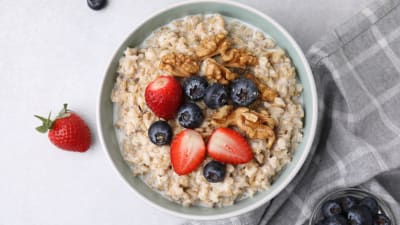
Switching to a savoury, protein-forward morning meal transforms sustained vitality. Whether it is an omelette with spinach and smoked salmon, a bowl of rich cottage cheese topped with crushed walnuts and berries, or a nutrient-dense shake blended with clean protein powder and chia seeds, a protein-rich breakfast significantly curbs cravings and stabilizes mood hormones throughout the day.
Habit 3: Pair Protein with Fermentable Fiber for Metabolic Harmony
Protein works best when paired with complex, fiber-rich plant foods. In your late forties, gut microbiome diversity often shifts due to hormonal adjustments, making digestive wellness a critical pillar of daily vitality. Combining lean proteins with dark leafy greens, cruciferous vegetables, and legumes provides dual metabolic benefits.
Fiber slows down gastric emptying, keeping you feeling comfortably full for hours while fostering a flourishing community of beneficial gut bacteria. Furthermore, proper digestion aids the body in efficiently metabolising and eliminating circulating hormones, which can help alleviate midlife bloating and sluggishness.
Habit 4: Prioritise High-Quality, Bioavailable Micronutrients
A balanced midlife plate is about more than just macro ratios; it is an opportunity to flood the body with essential micronutrients that safeguard long-term health. Women approaching their fifties have elevated requirements for specific vitamins and minerals that work synergistically with protein.
- Calcium and Vitamin D: Crucial for maintaining bone mineral density as oestrogen levels decline.
- Omega-3 Fatty Acids: Found in wild salmon, mackerel, and flaxseeds, these healthy fats fight systemic inflammation and support cognitive clarity.
- Magnesium: An essential mineral that aids muscular relaxation, eases physical tension, and promotes restorative sleep.
- B-Complex Vitamins: Vital cofactors for cellular energy production and nervous system resilience.
Habit 5: Practice Mindful Hydration to Fight Brain Fog and Fatigue
It is surprisingly easy to mistake chronic thirst for hunger, fatigue, or midlife brain fog. Protein metabolism produces urea as a natural byproduct, which requires adequate fluid intake for the kidneys to clear efficiently. When you elevate your daily protein, your baseline fluid needs naturally increase as well.
Aiming for consistent hydration throughout the day—supplemented with mineral-rich broths or herbal infusions—supports physical performance and cellular health. Ensuring you are well-hydrated helps transport nutrients directly into active muscle tissue, keeping physical and mental stamina steady across busy days.
Habit 6: Ditch Restrictive Dieting in Favour of Nutritional Consistency
Perhaps the most empowering lesson from Suranne Jones' health journey is the rejection of extreme deprivation. Decades of restrictive dieting create metabolic stress and elevate cortisol—a hormone that already tends to be higher during midlife transitions. Chronic elevation of cortisol can encourage visceral fat storage, disrupt sleep, and compromise thyroid function.
Instead of chasing quick fixes or drastic detoxes, focusing on abundance—nourishing meals, sufficient portions, and regular eating windows—creates a sustainable lifestyle. Viewing food as fuel, recovery, and daily medicine allows midlife women to cultivate confidence, strength, and genuine resilience.
Key Takeaways for Your Daily Routine
- Aim for 1.2 to 1.6 grams of protein per kilogram of body weight daily to offset age-related muscle loss.
- Distribute intake evenly across 3 main meals rather than concentrating it all at dinner.
- Embrace resistance training alongside your diet to ensure your muscles actively utilize the protein you consume.
- Focus on whole, minimally processed ingredients that supply ample micronutrients, fiber, and healthy fats.
- Listen to your body's recovery signals and treat wholesome nutrition as an act of self-care, not punishment.
By taking inspiration from women like Suranne Jones who embrace midlife with strength, intention, and vitality, we can fundamentally change how we think about aging. When you provide your body with the structural fuel it truly needs, the late forties and fifties can become your most empowered chapter yet.
Source Attribution: Article content originally reported by womenshealthmag. Read original story coverage on womenshealthmag →

Elena Rostova
WelloraDaily Editorial Team