The Surprising Carb Dietitians Swear By for Sustainable Weight Loss (And Why Cutting Carbs Backfires)
If you have spent any time navigating the endless labyrinth of modern wellness advice, you have likely encountered the pervasive myth that carbohydrates are public enemy number one. For years, low-carb and ketogenic diets have dominated the conversation, convincing millions of well-intentioned eaters that enjoying a bowl of warm starch is a direct obstacle to a leaner physique.
Yet, registered dietitians and nutritional biochemists tell a very different story. Far from sabotaging your progress, the right kind of carbohydrates can actually act as a cornerstone of long-term metabolic health and fat loss.
Among all the nutrient-dense options available, one carb in particular stands out as the ultimate misunderstood champion. It is budget-friendly, profoundly satisfying, and routinely demonized in popular diet culture: the humble potato.
The Great Carb Phobia: Why Going Ultra-Low-Carb Often Backfires
To understand why carbs belong on your plate, it helps to look at what happens physiologically when you cut them out entirely. The rapid weight drop people experience during the first week of a strict low-carb diet is almost entirely water and glycogen, rather than body fat. For every gram of glycogen stored in human muscle and liver tissue, the body holds roughly three grams of water.
When those carbohydrate reserves run dry, your body sheds water weight immediately, creating an illusion of rapid fat loss. Over time, however, severe carb restriction can elevate circulating levels of cortisol (the body’s primary stress hormone) and down-regulate thyroid hormones such as active T3. This can lead to persistent fatigue, sluggish workouts, and ravenous cravings.
Depriving your system of its most readily accessible fuel source often triggers an inevitable rebound binge. Sustainable weight management requires dietary satisfaction, sustained energy, and metabolic balance—all of which carbohydrates uniquely support.
The #1 Pick: Why Dietitians Love the Humble Potato
When dietitians discuss carbohydrates that promote sustainable fat loss, the conversation almost always points back to whole, unprocessed tubers—with plain boiled or baked potatoes leading the charge. For decades, potatoes were unfairly lumped together with refined junk foods simply because they are frequently deep-fried into french fries or processed into chips.
Strip away the vat of trans fats and heavy sour cream, and you reveal an absolute nutritional powerhouse. Ounce for ounce, whole potatoes deliver exceptional micronutrient density alongside profound appetite-regulating properties.
- Top of the Satiety Index: In landmark research conducted at the University of Sydney, scientists developed the Satiety Index to measure how full specific foods keep people over a two-hour window. Plain boiled potatoes crushed the competition, scoring an astonishing 323%—ranking higher than fish, oatmeal, lean beef, and every other food tested.
- Rich in Electrolytes: A medium baked potato contains significantly more potassium than a medium banana. Potassium plays an essential role in counterbalancing dietary sodium, regulating blood pressure, and supporting fluid balance in muscle tissue.
- Abundant Micronutrients: Potatoes supply an impressive dose of immune-supporting vitamin C, vitamin B6 (crucial for energy metabolism), and essential trace minerals like magnesium and iron.
The Science of Resistant Starch: Turning Carbs into Gut Fuel
One of the most fascinating mechanisms behind the potato’s weight-management benefits involves a specific type of carbohydrate known as resistant starch. True to its name, resistant starch resists enzymatic digestion in the small intestine, traveling virtually intact into the large intestine.
Once it reaches the colon, your resident microbiome ferments this starch, transforming it into potent short-chain fatty acids (SCFAs), primarily butyrate. Butyrate helps strengthen the integrity of the gut lining, reduces systemic inflammation, and improves overall insulin sensitivity.
Because your digestive system cannot break down resistant starch into simple glucose units, it provides fewer net calories per gram while directly stimulating the release of satiety hormones like peptide YY (PYY) and GLP-1. You stay genuinely full for hours without experiencing a dramatic spike and crash in circulating blood sugar.
The Cook-and-Cool Hack
You can naturally supercharge the resistant starch content of potatoes by leveraging culinary chemistry. When you boil or bake potatoes and allow them to fully cool in the refrigerator, their starch molecules undergo a structural transformation called retrogradation.
This rearrangement locks the starches into a crystal structure that makes them far more resistant to digestion. Even if you gently reheat the cooled potatoes later, a significant portion of that newly formed resistant starch remains intact, reducing the glycemic impact and enhancing fullness.
Other Dietitian-Approved Carbs to Elevate Your Plate
While potatoes hold the crown for surprising satiety, they are not the only carbohydrate that deserves regular rotation in a fat-loss protocol. Dietitians encourage building dietary diversity by incorporating several other complex, slow-burning sources:
- Lentils and Chickpeas: Legumes provide an exceptional combination of plant-based protein and viscous soluble fiber. This dynamic duo delays gastric emptying, ensuring that nutrients absorb slowly and hunger signals stay quiet long after meals.
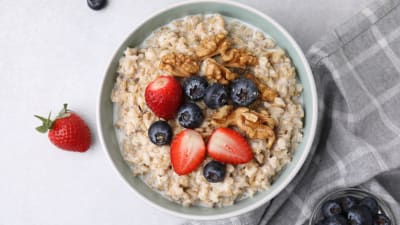
- Steel-Cut and Rolled Oats: Rich in beta-glucan fiber, oats help lower LDL cholesterol while forming a gel-like consistency in the gut that keeps appetite in check through mid-morning slumps.
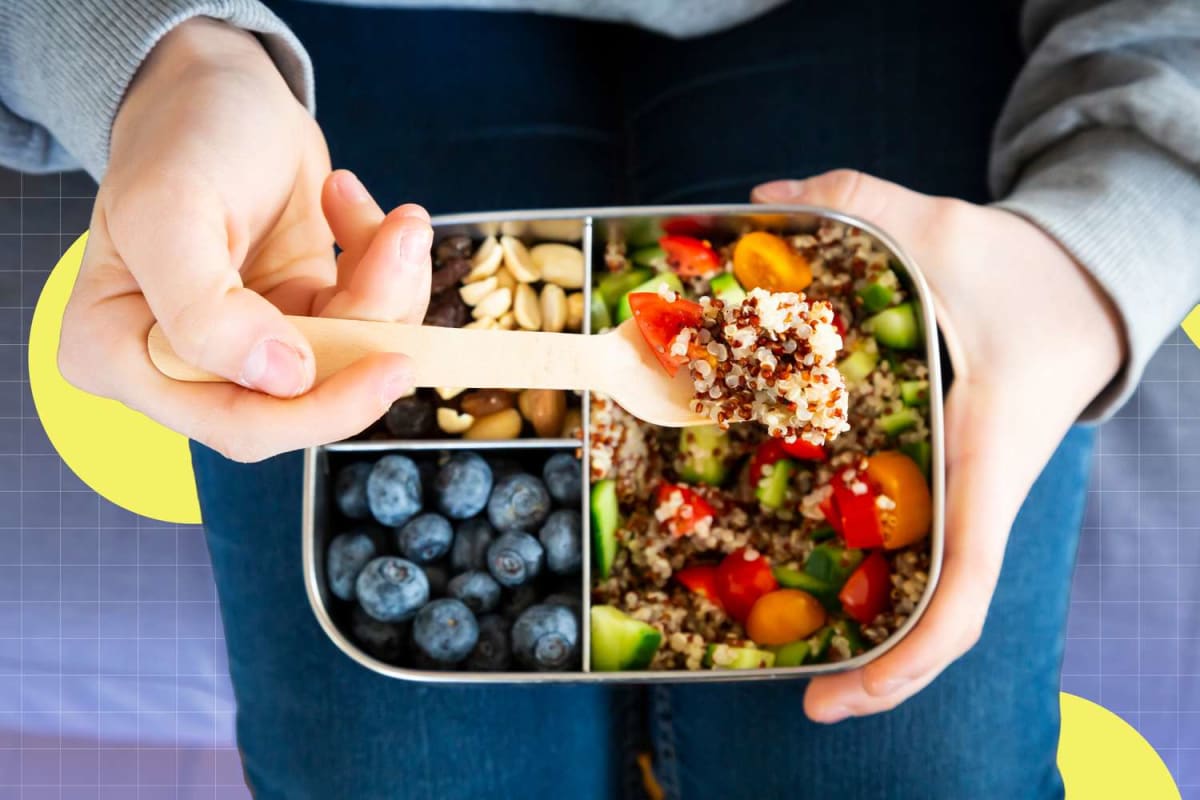
- Intact Grains (Farro, Quinoa, and Wild Rice): These ancient grains preserve their protective bran and germ layers, delivering sustained energy without rapid blood sugar spikes.
- Berries and Squash: Offering vibrant colors and dense antioxidant profiles, whole fruits and winter squashes provide volume and subtle sweetness alongside very manageable carbohydrate loads.
Practical Strategies to Eat Carbs for Fat Loss
Integrating carbohydrates into a weight-conscious lifestyle does not mean eating them with reckless abandon. Context, portion structure, and culinary preparation dictate whether a meal supports or hinders your goals.
1. Keep the Skins On
Whenever you prepare potatoes, sweet potatoes, or carrots, leave the peel intact. The skin contains a substantial percentage of the food’s insoluble fiber and a high concentration of phytonutrients, enhancing both satiety and gut motility.
2. Pair Starch with Protein and Fiber
Avoid eating carbohydrates in isolation. Always pair your potato, quinoa, or beans with a generous portion of lean protein (such as grilled poultry, tofu, or wild fish) and fibrous vegetables. Protein and dietary fat further blunt the post-meal glucose curve, keeping your energy steady throughout the afternoon.
3. Be Mindful of High-Calorie Toppings
The potato is not what causes unintentional weight gain; it is almost always the accompanying butter, bacon bits, heavy creams, and frying oils. Instead, season your baked or roasted potatoes with garlic, smoked paprika, sea salt, fresh herbs, or a dollop of protein-rich plain Greek yogurt.
Key Takeaways for Your Daily Routine
- Carbs are not your enemy: Completely cutting carbohydrates can depress metabolic output, raise stress hormones, and trigger cycle-ending cravings.
- Potatoes are the ultimate satiety tool: Boiled and baked potatoes rank higher on scientific satiety measurements than any other whole food.
- Utilize resistant starch: Cooking and cooling your starches creates gut-friendly fiber that supports metabolic health and steady blood sugar.
- Focus on preparation: Favor roasting, steaming, and boiling over frying, and use flavorful herbs rather than calorie-dense dressings.
Weight loss is fundamentally about sustainable habit formation, not miserable restriction. By bringing whole, nutrient-dense carbs like the potato back onto your plate, you can nourish your metabolism, fuel your workouts, and feel thoroughly satisfied on your wellness journey.
Source Attribution: Article content originally reported by Elizabeth Shaw; M S; RDN; CPT. Read original story coverage on Elizabeth Shaw; M S; RDN; CPT →

Elena Rostova
WelloraDaily Editorial Team