Fiber vs. Protein: Which Nutrient Truly Deserves the Spotlight on Your Plate?
Walk down any grocery store aisle today, and you will notice a common theme boldly stamped across packaging: high protein. From chips and cookies to breakfast cereals and yogurts, our modern wellness culture has developed an undeniable obsession with protein. But while protein continues to dominate social media feeds and fitness trends, another essential dietary hero often gets pushed to the sidelines: fiber.
For years, nutrition advice has swung like a pendulum between different macronutrient trends. Today, health-conscious eaters find themselves caught in a quiet tug-of-war. Are you getting enough protein to support lean muscle, metabolic rate, and recovery? Or are you neglecting the gut-nourishing, heart-protecting power of dietary fiber? In this guide, we break down the science behind the great fiber versus protein debate, explore how much of each you actually need, and explain why the two nutrients work best as partners rather than rivals.
The Protein Craze: Why We Are Obsessed
Protein is undeniably vital. As the primary building block of tissues, organs, hormones, and enzymes, it plays a non-negotiable role in our day-to-day vitality. When you consume protein, your body breaks it down into amino acids, which are then used to repair micro-tears in muscle tissue, synthesize neurotransmitters, and maintain a robust immune system.
Beyond physical recovery, protein has earned a sparkling reputation for weight management. Protein stimulates the release of satiety hormones like peptide YY (PYY) and cholecystokinin (CCK), while simultaneously dampening levels of ghrelin, often known as the 'hunger hormone.' Moreover, protein boasts the highest thermic effect of food (TEF) among all macronutrients, meaning your body expends approximately 20 to 30 percent of the calories consumed just breaking it down and metabolizing it.
How Much Protein Do You Actually Need?
The standard Recommended Dietary Allowance (RDA) for an average, sedentary adult sits at roughly 0.8 grams per kilogram of body weight per day (about 54 grams for a 150-pound individual). However, modern nutritional science increasingly views the RDA not as an optimal target, but rather as the baseline required to prevent overt deficiency.
If you are physically active, lifting weights, or over the age of 50 (when age-related muscle loss, or sarcopenia, accelerates), your needs are naturally higher:
- Active Individuals & Strength Athletes: Aim for approximately 1.2 to 2.0 grams of protein per kilogram of body weight (around 0.55 to 0.9 grams per pound).
- Older Adults: Strive for roughly 1.0 to 1.2 grams per kilogram to help preserve lean muscle mass and bone mineral density.
- Per-Meal Target: Spreading intake into roughly 25 to 40 grams of high-quality protein per meal ensures your body can stimulate muscle protein synthesis throughout the day.
The Forgotten Hero: Why Fiber Matters Just as Much
While protein enjoys the limelight, fiber is quietly fighting an uphill battle. Nutritionists estimate that nearly 95 percent of adults fail to meet the minimum recommended daily intake of dietary fiber. This 'fiber gap' has profound consequences for modern health.
Fiber is a type of non-digestible carbohydrate found exclusively in plant foods. Rather than being broken down in the stomach and small intestine, fiber travels down to the colon largely intact. There, soluble fibers undergo fermentation by trillions of beneficial gut bacteria, transforming into potent compounds known as short-chain fatty acids (SCFAs), such as butyrate, acetate, and propionate.
These short-chain fatty acids serve as the primary fuel source for the cells lining your colon. They help reinforce gut barrier integrity, regulate systemic inflammation, support metabolic function, and even communicate directly with the brain through the gut-brain axis. Insoluble fiber, meanwhile, adds physical bulk to the stool, promoting digestive regularity and sweeping waste efficiently through the gastrointestinal tract.
How Much Fiber Should You Aim For?
Health guidelines generally recommend:
- Women: A minimum of 25 to 28 grams per day.
- Men: A minimum of 34 to 38 grams per day.
- General Rule of Thumb: Aim for roughly 14 grams of fiber for every 1,000 calories consumed.
Consistently hitting these numbers has been shown in large epidemiological studies to lower the risk of cardiovascular disease, improve glycemic regulation, reduce LDL cholesterol, and decrease the incidence of colorectal conditions.
The Problem with Over-Indexing on Protein Alone
When wellness enthusiasts become overly fixated on protein goals, their diet often inadvertently crowds out plant-rich foods. Shakes, bars, and ultra-lean animal cuts can easily displace vegetables, legumes, whole grains, seeds, and fruits.
The consequences of a high-protein, ultra-low-fiber diet can be uncomfortable and long-lasting. Chronic constipation, irregular bowel movements, a starved microbiome, and lethargy are common side effects. When beneficial gut microbes are deprived of fermentable fiber, they are forced to feed on the protective mucus lining of the gut wall, potentially leading to increased intestinal permeability and inflammation.
The Real Solution: The Fiber-Protein Partnership
The secret to long-term metabolic health and steady energy is not choosing fiber over protein, or vice versa. It is understanding how they amplify each other. While protein provides the amino acids needed for physical structure and hormonal balance, fiber provides the microbiome fuel and slow-release digestion needed to sustain steady blood sugar levels.
When combined in a single meal, fiber and protein work in complete synergy. Fiber slows gastric emptying, creating a gradual, sustained release of glucose into the bloodstream, while protein dampens post-meal insulin spikes and prompts satiety signals. Together, they eliminate the dramatic energy peaks and crashes associated with refined carbohydrates.
Foods That Deliver Both
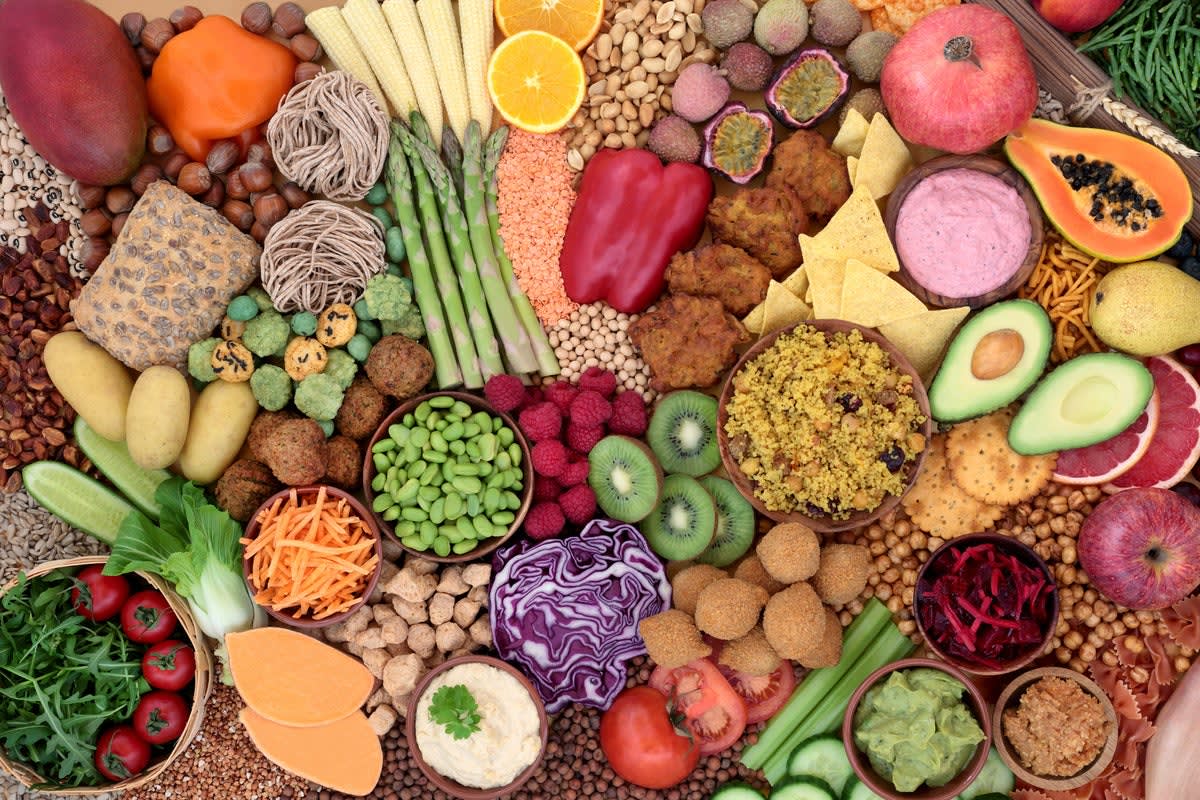
You do not always have to assemble complicated plates to hit both targets. Many nutrient-dense plant foods naturally provide a generous dose of both macronutrients:
- Lentils and Chickpeas: One cooked cup of lentils delivers about 18 grams of protein alongside 15 grams of gut-friendly fiber.
- Edamame: A single cup of prepared edamame provides roughly 17 grams of complete protein and 8 grams of fiber.
- Chia Seeds: Just two tablespoons pack 4 grams of protein, 10 grams of fiber, and rich amounts of plant-based omega-3 fatty acids.
- Black Beans: One cup provides roughly 15 grams of protein and 15 grams of fiber, making it a gut-health powerhouse.
How to Build a Balanced Daily Plate
Balancing both nutrients throughout your day does not require strict calorie counting or obsessive tracking. Instead, rely on simple, sustainable meal-building strategies:
1. Upgrade Your Morning Routine: Rather than relying solely on eggs or a solitary protein shake, fold in fiber. Add a cup of sautéed spinach and a side of avocado to your eggs, or blend a handful of chia seeds, ground flax, and frozen wild blueberries directly into your morning protein shake.
2. Follow the Balanced Plate Method: Dedicate one-quarter of your plate to high-quality protein (such as wild fish, pasture-raised poultry, tofu, or tempeh), one-quarter to fiber-rich complex carbohydrates (such as quinoa, sweet potatoes, or beans), and the remaining half to colorful, fibrous vegetables.
3. Upgrade Your Snacks: Instead of grabbing an ultra-processed protein bar that relies on isolated artificial fibers, opt for whole-food snacks. Pair raw almonds with an apple, enjoy raw veggies with fiber-dense hummus, or top plain Greek yogurt with a generous tablespoon of ground flaxseed and raspberries.
4. Ramp Up Gradually: If your current fiber intake is on the lower side, do not attempt to double it overnight. A sudden surge in fiber can cause transient bloating, gas, and abdominal discomfort. Increase your daily intake by 3 to 5 grams every few days, and be sure to drink plenty of water to help fiber move smoothly through your digestive tract.
Key Takeaways
- Protein builds and repairs: Most active adults thrive on 1.2 to 2.0 grams of protein per kilogram of body weight to support muscle retention and satiety.
- Fiber sustains and protects: Adults require between 25 and 38 grams of fiber daily to nourish the microbiome, balance blood sugar, and protect cardiovascular health.
- Ditch the rivalry: The most satisfying and metabolically beneficial meals intentionally pair protein and fiber together for sustained fullness and digestive balance.
Source Attribution: Article content originally reported by Sara Keenan. Read original story coverage on Sara Keenan →

Elena Rostova
WelloraDaily Editorial Team