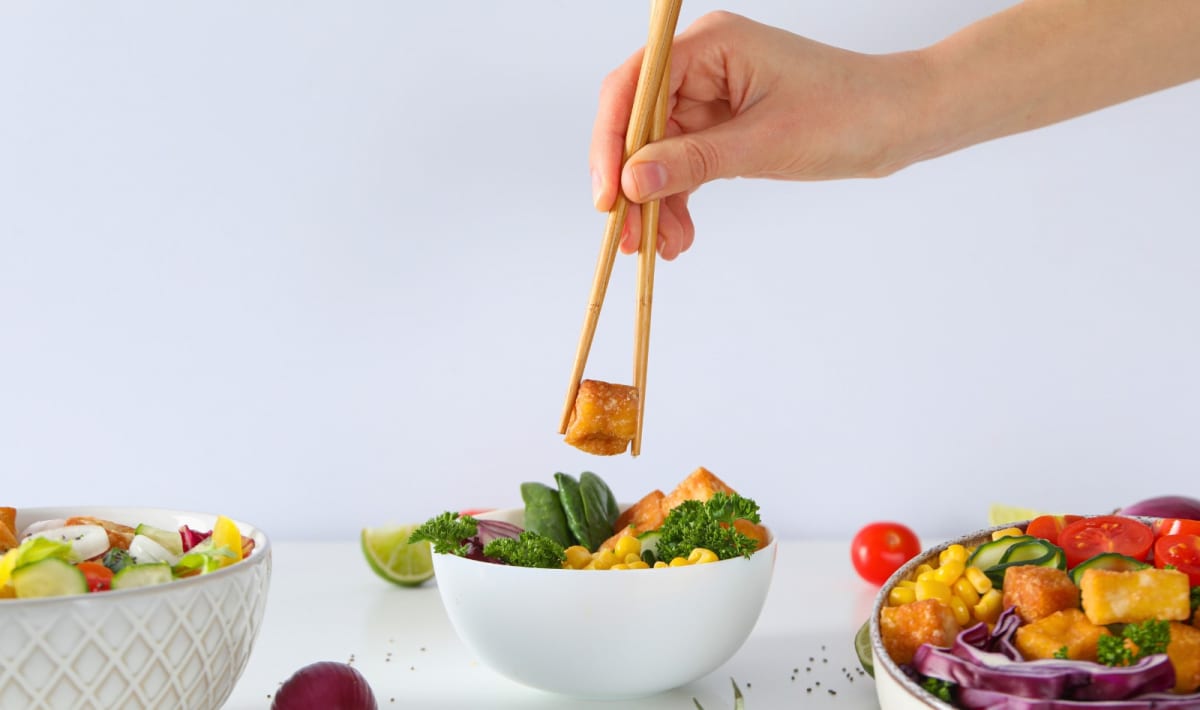
Tofu vs. Beans: Which Plant Protein Source Deserves the Top Spot on Your Plate?
Standing in the grocery aisle or staring into your pantry, you have likely faced the classic plant-based dilemma: should you grab that firm block of tofu, or reach for a versatile can of black beans or chickpeas? Both are celebrated staples of vegetarian, vegan, and flexitarian diets worldwide, offering substantial nourishment without relying on animal products. Yet, when it comes to maximizing your daily nutrition, the question remains: is one fundamentally better than the other?
The debate between tofu and whole legumes goes far beyond raw protein metrics. It encompasses digestive ease, micronutrient density, culinary flexibility, and your specific metabolic goals. Whether you want to build lean muscle, stabilize your blood sugar, or optimize your gut microbiome, understanding the nuanced differences between these two nutritional champions can transform how you build your everyday meals.
The Protein Face-Off: Quantity and Quality
When evaluating any protein source, two distinct criteria matter: how much protein you receive per serving, and the amino acid profile of that protein. This is where the paths of tofu and beans begin to diverge.
Tofu: A Complete Protein Powerhouse
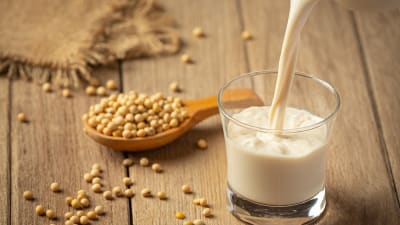
Tofu is made from coagulated soy milk pressed into solid white curds, a traditional culinary technique that dates back thousands of years. Because it is derived from whole soybeans, tofu stands out as one of the rare plant foods recognized as a complete protein. This means it provides all nine essential amino acids—the building blocks your body cannot manufacture on its own—in optimal ratios.
A typical 100-gram serving of firm tofu delivers roughly 10 to 17 grams of protein, depending on how densely it is pressed. Because much of the carbohydrate structure is removed during processing, tofu is lean, low in carbohydrates, and calorie-efficient, making it a favorite for individuals prioritizing muscle repair, sports performance, or lower-carb meal planning.
Beans: Carbohydrate-Rich Sustained Energy
Whole beans—such as black beans, kidney beans, pinto beans, and chickpeas—pack a solid punch of protein, averaging around 7 to 9 grams per 100 grams of cooked legumes. Unlike tofu, most individual beans are not strictly complete proteins because they are naturally lower in the sulfur-containing amino acid methionine.
However, modern nutrition science shows that you do not need every meal to contain a complete protein. As long as you consume a diverse diet featuring grains, nuts, and seeds throughout the day, your body efficiently pools amino acids to meet its needs. Beans come naturally bundled with complex carbohydrates, providing a steady release of glucose that fuels long workouts and demanding workdays.
The Fiber and Gut Health Factor
If protein is where tofu shines, fiber is undoubtedly the crowning glory of whole beans. Most adults fail to meet the recommended daily target of 25 to 38 grams of dietary fiber, and this is where beans deliver an unmatched therapeutic advantage.
- Beans: A single cup of cooked beans can easily supply between 12 and 15 grams of dietary fiber—roughly half of your entire daily requirement. This includes a generous concentration of soluble fiber, which actively binds to cholesterol in the digestive tract and helps eliminate it from the body, lowering cardiovascular risk.
- Tofu: Because the fibrous soybean pulp (known as okara) is separated during the production process, firm tofu contains only about 1 to 2 grams of fiber per serving. While easy on the stomach, it does not provide the same microbiome-feeding benefits as whole legumes.
Beans also contain resistant starch and oligosaccharides, which travel undigested to the large intestine. There, beneficial gut bacteria ferment these compounds into short-chain fatty acids (SCFAs) like butyrate, which fortify the intestinal lining, regulate inflammation, and enhance insulin sensitivity.
Micronutrients and Bioavailability: Digging Deeper
Both tofu and beans contribute an impressive roster of vital vitamins and minerals, but their specific strengths cater to different physiological demands.
Calcium and Bone Support
One major advantage of tofu lies in how it is processed. Many commercial varieties are precipitated using calcium sulfate, which turns tofu into an outstanding non-dairy source of bioavailable calcium. A single serving of calcium-set firm tofu can provide up to 300 to 500 milligrams of calcium, making it an invaluable asset for bone density, especially for those steering clear of dairy.
Iron, Folate, and Potassium
Beans counter with an abundance of non-heme iron, magnesium, potassium, and folate (vitamin B9). Folate is essential for DNA synthesis and cellular repair, while potassium helps counterbalance sodium intake to maintain healthy blood pressure. To maximize the absorption of non-heme iron from both beans and tofu, pair your meals with a source of vitamin C, such as bell peppers, tomatoes, or a squeeze of fresh lemon juice.
Digestibility and Sensitivities: Navigating the Trade-offs
Nutritional value on paper means little if your body struggles to digest what you eat. Here is how both foods behave once they reach your digestive tract.
For people with sensitive digestion or conditions like Irritable Bowel Syndrome (IBS), whole beans can sometimes trigger bloating, gas, and abdominal discomfort due to their high oligosaccharide content. While soaking dried beans thoroughly, discarding the soaking water, and cooking them with kombu or bay leaves can significantly reduce these compounds, beans still require robust digestive adaptation.
Tofu, on the other hand, is remarkably gentle on the stomach. The manufacturing process pre-digests or eliminates much of the fermentable carbohydrates that cause intestinal distress. For those who find whole legumes difficult to tolerate, tofu offers a soothing, high-protein alternative that rarely provokes digestive unrest.
Culinary Versatility in the Real World
A sustainable dietary habit must taste good and fit effortlessly into a busy lifestyle. Fortunately, both ingredients excel in everyday cooking, each playing a different culinary role.
Making the Most of Tofu
Tofu is the ultimate culinary chameleon. It possesses very little inherent flavor, meaning it readily absorbs whatever marinades, spices, and sauces you introduce. Soft and silken tofu blend seamlessly into creamy dressings, smoothies, and chocolate mousses without dairy. Extra-firm tofu can be pressed, tossed in cornstarch, and pan-seared or air-fried until shatteringly crisp, mimicking the bite of poultry in stir-fries, grain bowls, and curries.
The Enduring Simplicity of Beans
Beans bring immediate earthy depth, texture, and substance to dishes with minimal preparation required, especially when using low-sodium canned varieties. They hold up exceptionally well in slow-cooked stews, chilis, and hearty rustic soups. Mashed with garlic and tahini, chickpeas transform into classic hummus; tossed with herbs, red onion, and olive oil, white beans become an instant, satisfying Mediterranean lunch.
The Verdict: Which One Should You Choose?
Choosing between tofu and beans is not a zero-sum game, because the "better" option depends entirely on your personal wellness priorities:
- Choose Tofu if: Your primary objective is muscle protein synthesis, athletic recovery, or a lower-carbohydrate nutrition plan. It is also the superior choice if you need a concentrated dairy-free calcium source or experience digestive bloating from high-fiber legumes.
- Choose Beans if: You want to optimize heart health, lower LDL cholesterol, stabilize blood sugar, and nurture a thriving gut microbiome. Beans are unmatched for promoting long-lasting fullness and curbing mid-afternoon cravings.
Ultimately, the most nutritionally sound strategy does not demand an exclusive allegiance. By welcoming both into your kitchen—enjoying a savory scrambled tofu for breakfast and a warming black bean soup for dinner—you reap the complete spectrum of plant-based benefits, pairing high-density amino acids with microbiome-nourishing fiber for lasting energy and vitality.
Source Attribution: Article content originally reported by vegnews. Read original story coverage on vegnews →

Elena Rostova
WelloraDaily Editorial Team