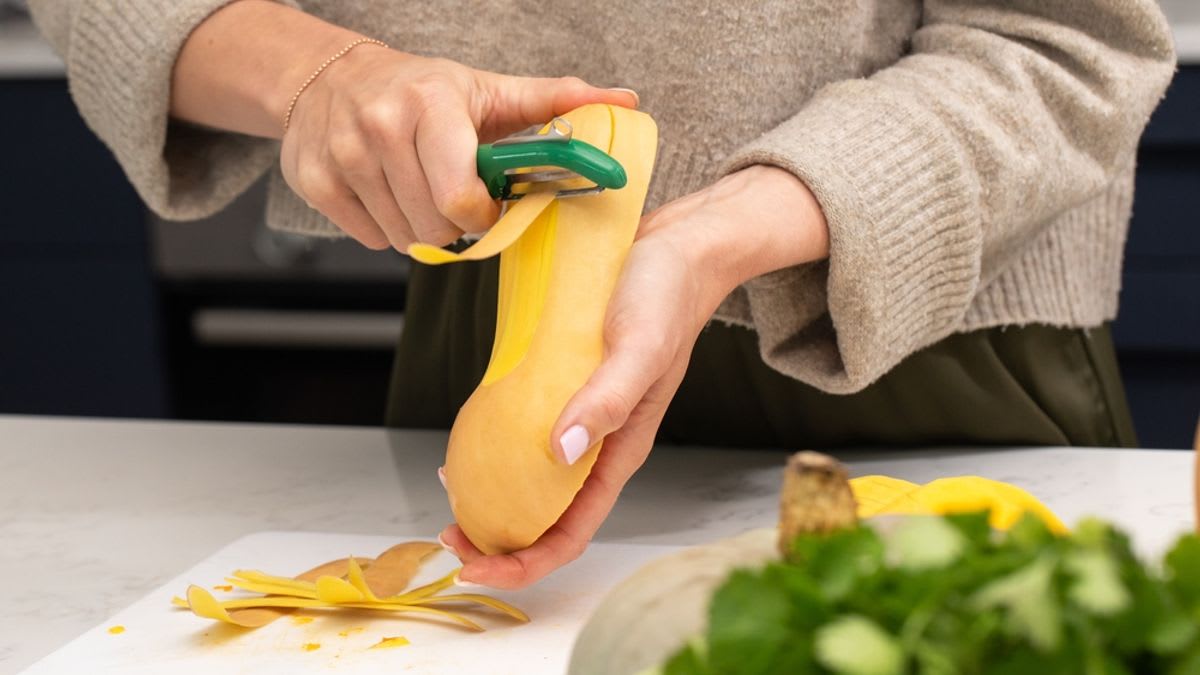
Unlocking Hidden Fiber: Why You Should Stop Throwing Away Fruit and Veggie Scraps
Are You Tossing the Healthiest Part of Your Produce?
When it comes to preparing fruits and vegetables, most of us automatically reach for the peeler, toss the seeds, and send nutrient-dense scraps straight to the compost bin or trash. We have been conditioned to believe that the soft, colorful flesh is the only edible prize worth keeping. However, a surprising reality check is changing how we look at our kitchen prep work.
Recent insights into produce nutrition reveal that peels, seeds, and rinds actually contain significantly more fiber than the parts we typically eat in 10 out of 12 common fruits and vegetables. Beyond just giving your daily fiber intake a much-needed boost, embracing these overlooked parts is a powerful step toward slashing household food waste. Let us dive into the science of edible scraps and how you can seamlessly incorporate them into your routine.
The Surprising Science Behind Produce Scraps
When botanists and nutritionists analyze the anatomy of plants, it makes complete sense that the outer layers are packed with nutrients. In nature, the peel, rind, and seed coats act as the protective armor of the plant, shielding it from pests, harsh weather, and UV radiation. To perform this heavy-duty protective job, these outer layers concentrate robust compounds, including antioxidants, vitamins, and specialized dietary fibers.
Dietary fiber is essential for maintaining a healthy digestive system, stabilizing blood sugar levels, and supporting a thriving gut microbiome. Yet, the vast majority of people fall woefully short of the recommended daily fiber intake. By automatically discarding the parts of fruits and vegetables that contain the highest concentrations of fiber, we are quite literally peeling away our best nutritional opportunities.
10 Fruits and Vegetables Where the Scraps Win
To put this into perspective, let us look at how the protective parts stack up against the inner flesh. While exact numbers vary based on ripeness and agricultural conditions, research consistently highlights several everyday items where the scraps outshine the core:
- Apples: The skin holds a massive portion of the fruit's total fiber and quercetin, an antioxidant that supports immune function.
- Cucumbers: Peeling a cucumber strips away insoluble fiber and valuable silica, which promotes healthy skin and connective tissues.
- Kiwis: Though fuzzy, the skin is entirely edible and drastically multiplies the total fiber and vitamin C content of the fruit.
- Carrots: The outer layers contain concentrated polyphenols and fiber, meaning a simple scrub is far better than a heavy peel.
- Potatoes: A huge percentage of a potato's fiber, iron, and potassium lives right in and directly beneath the skin.
- Oranges and Citrus: While the bitter pith is rarely eaten raw, it contains immense amounts of soluble fiber like pectin.
- Pears: Just like apples, the skin of a pear is a powerhouse of gritty, beneficial dietary fiber.
- Broccoli: Stems and leaves, often tossed aside in favor of florets, are loaded with fiber and calcium.
- Watermelon: The rind is packed with citrulline and fiber, offering surprising health perks when juiced or pickled.
- Squash and Pumpkins: Many winter squash skins become tender when roasted, providing an extra layer of texture and fiber.
Practical Ways to Eat More Scraps Without Sacrificing Taste
Adopting a root-to-stem or whole-produce mindset does not mean you have to start munching on tough, unpalatable rinds. With a few creative culinary techniques, you can enjoy the nutritional benefits of these scraps without sacrificing flavor or texture.
First, always prioritize thoroughly washing your produce, especially if you plan to consume the skins. A simple soak in a water and baking soda solution can help remove surface residues. From there, consider these simple preparation strategies:
- Blend It Up: Toss whole, cored apples or thoroughly washed kiwi fruits directly into your morning smoothies. High-powered blenders pulverize peels and seeds effortlessly.
- Roast Until Crisp: Potato peels, carrot skins, and root vegetable scraps can be tossed in olive oil and spices, then roasted until crispy for a healthy snack.
- Save for Broth: Keep a bag in your freezer dedicated to clean onion skins, carrot ends, celery tops, and herb stems to brew nutrient-dense vegetable broths.
- Bake into Goods: Finely grated zucchini or squash skins disappear completely into muffins, quick breads, and pancake batters.
Sustaining Your Health and the Planet
Shifting our perspective on fruit and vegetable scraps creates a wonderful win-win scenario for both personal wellness and environmental sustainability. Food waste is a massive global challenge, and household kitchens contribute a significant share of discarded organic matter. By finding delicious ways to consume peels, seeds, and stems, we reduce the volume of waste heading to landfills while maximizing the nutritional return on our grocery investment.
As you plan your next trip to the market, look at your produce cart with fresh eyes. Remember that nature designed these foods as a complete package, and by enjoying them in their entirety, you are fueling your body the way nature intended.
Key Takeaways for Your Next Kitchen Adventure
Ready to put these insights into action? Keep these core principles in mind:
- Scraps are nutrient-dense: Peels and seeds often pack higher concentrations of fiber and antioxidants than the inner flesh.
- Preparation is key: Smart cooking methods like roasting, blending, and baking make previously unappealing scraps delicious and easy to eat.
- Reduce waste: Eating the whole fruit or vegetable lowers your household food waste footprint while supercharging your daily fiber intake.
Source Attribution: Article content originally reported by discovermagazine.com. Read original story coverage on discovermagazine.com →

Elena Rostova
WelloraDaily Editorial Team