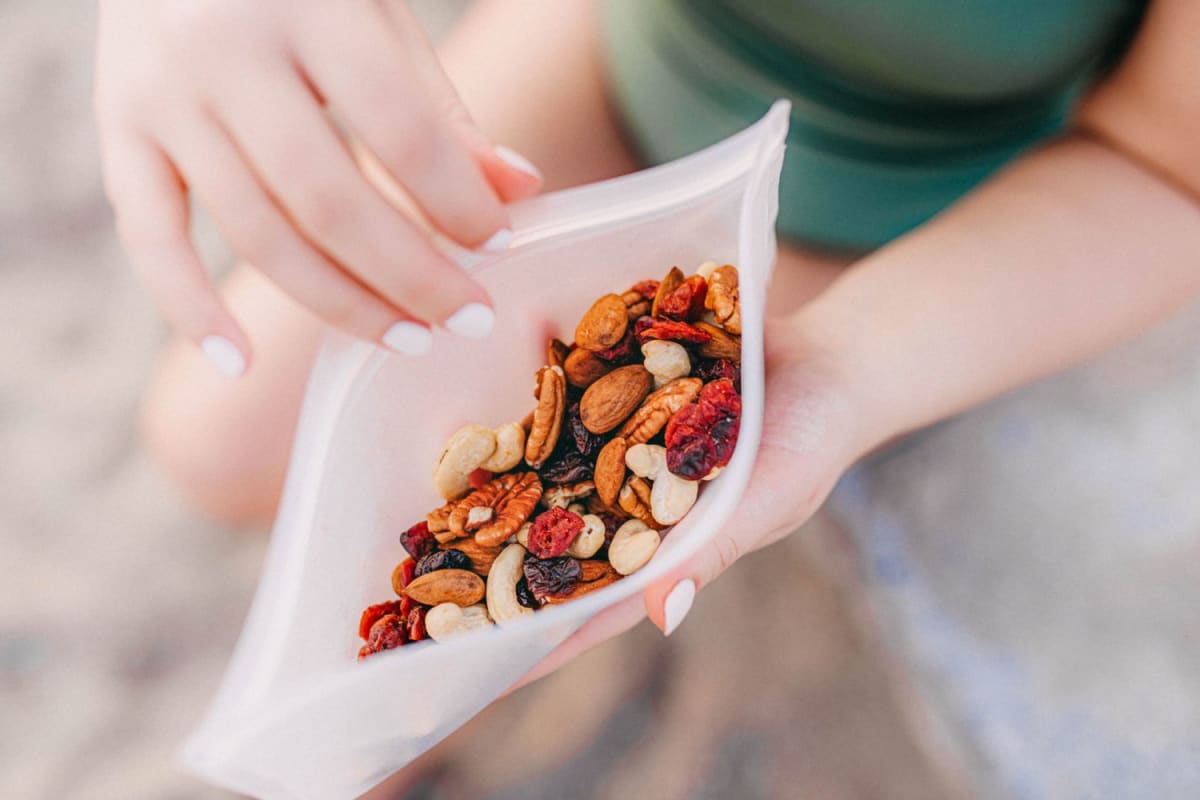
Dietitians Agree: This Is the Healthiest Trail Mix You Can Buy (and How to Spot the Sugar Traps)
Standing in the snack aisle staring down rows of brightly packaged trail mixes, it is easy to assume you are making an unequivocally healthy choice. After all, the name itself conjures images of rugged mountain treks, sustained athletic endurance, and wholesome, earth-derived fuel. Yet, flip that colorful bag around to read the nutrition facts panel, and you will often find that your wholesome hiking snack has more added sugar than a frosted doughnut and more saturated fat than a bag of potato chips.
Trail mix has experienced a dramatic identity crisis over the past two decades. What started as a simple, functional blend of nuts and unvarnished dried fruit for backcountry adventurers has morphed into confectionery masquerading as athletic fuel. Between candy-coated chocolate pieces, yogurt-drizzled clusters, and banana chips deep-fried in palm oil, finding a store-bought version that truly supports your health goals can feel like navigating a nutritional minefield.
To cut through the marketing noise, we spoke with three registered dietitians to find out what actually separates a nutrient-rich trail mix from glorified candy. In a rare display of total nutritional consensus, all three nutrition professionals independently pointed to the same retail standout: Power Up Mega Omega Trail Mix. Here is why this particular blend earned their unanimous endorsement, along with the exact criteria dietitians use to evaluate any store-bought mix.
The Unanimous Pick: Power Up Mega Omega Trail Mix
When asking multiple nutrition experts for product recommendations, you typically expect a variety of answers tailored to personal philosophies. However, Power Up’s Mega Omega blend repeatedly took top honors for one simple reason: ingredient intentionality. Instead of leaning on cheap fillers, artificial glazes, or sugar-drenched candies, this blend prioritizes raw, functional whole foods that provide real, sustained vitality.
The Mega Omega blend features a deliberate lineup of walnuts, dried mango, almonds, cranberries, and pumpkin seeds (pepitas). According to dietitians, this specific ingredient harmony delivers a masterclass in blood sugar management and anti-inflammatory nutrition:
- Alpha-Linolenic Acid (ALA): Walnuts are the true superstars here. They are among the richest plant-based sources of ALA, an essential omega-3 fatty acid linked to lowered systemic inflammation, enhanced cognitive function, and robust arterial health.
- Dual-Action Protein and Minerals: Pumpkin seeds and almonds work synergistically to supply plant-based protein, dietary fiber, and bioavailable magnesium—a mineral crucial for muscle recovery, stress management, and metabolic regulation.
- Chewy Sweetness with Digestive Fiber: Rather than relying on refined sugars or syrup coatings, the blend pairs tart cranberries with chewy dried mango, delivering just enough natural sweetness along with gut-friendly prebiotic fiber.
The Trail Mix Trap: Where Commercial Blends Go Wrong
To understand why a clean mix like Power Up stands out, it helps to examine what goes wrong in conventional snack blends. Most mass-market trail mixes are designed for maximum hyper-palatability—the addictive combination of sweet, salty, and high fat that triggers dopamine release while bypassing natural satiety cues.
1. The Added Sugar Illusion
Dried fruit is naturally sweet because water removal concentrates the fruit's natural fructose. Unfortunately, manufacturers frequently turn whole cranberries and cherries into confections by soaking them in refined cane sugar or high-fructose corn syrup before drying. When you combine sweetened fruits with milk chocolate candies and sweetened coconut flakes, a single small handful can easily pack 15 to 20 grams of sugar, precipitating an inevitable blood sugar spike and subsequent mid-afternoon energy crash.
2. Hydrogenated and Inflammatory Oils
Nuts are naturally rich in heart-protective monounsaturated and polyunsaturated fats. However, many commercial brands flash-fry their nuts in low-grade vegetable or seed oils rather than dry-roasting them. This process oxidizes delicate fatty acids and introduces unnecessary saturated fats into a snack that should be naturally anti-inflammatory.
3. Stealth Sodium Overload
Salt enhances flavor and acts as an inexpensive preservative, but heavily salted nuts can turn a heart-conscious snack into a blood-pressure hazard. Some commercial varieties pack more than 200 milligrams of sodium per tiny quarter-cup portion, which quickly adds up if you eat straight from the bag.
The Dietitian’s Buying Guide: 4 Rules for the Snack Aisle
If Power Up is unavailable at your local grocer, you do not have to abandon trail mix altogether. Dietitians rely on a reliable checklist when scanning labels in the snack aisle to ensure their choices align with functional nutrition:
Check the First Three Ingredients
Ingredients are listed by weight in descending order. The first two or three items should always be raw or dry-roasted nuts or seeds (such as almonds, walnuts, pecans, pumpkin seeds, or sunflower seeds). If any form of sweetener, oil, or candy appears in the top three spots, place the bag back on the shelf.
Scrutinize Added Sugars vs. Total Sugars
Do not be terrified of total carbohydrate counts, as unsweetened dried fruit naturally contains sugar. Instead, shift your focus to the Added Sugars line on the nutrition panel. Aim for blends that keep added sugars under 5 grams per serving. Zero grams is the gold standard, but a modest amount from real dried berries is acceptable if the rest of the profile remains clean.
Verify the Roasting Method
Scan the ingredient list specifically for the words dry roasted or raw. If the ingredient deck lists canola oil, peanut oil, palm oil, or hydrogenated oils next to the nuts, the manufacturer used high-heat oil frying, which undermines the healthy fat profile of the nuts.
Prioritize Sodium Moderation
Look for mixes that offer raw or lightly salted ingredients. A good benchmark to keep in mind is under 75 milligrams of sodium per serving, which preserves cardiovascular benefits without dulling flavor.
The Golden Quarter-Cup Rule
Even the cleanest, most nutrient-dense trail mix remains inherently calorie-dense. A standard serving of trail mix is typically one-quarter of a cup (roughly 30 grams), which generally provides between 140 and 180 calories, alongside 10 to 14 grams of healthy fats.
Because nuts and seeds are compact, it is exceptionally easy to mindlessly consume three or four servings while working at your desk or watching television. Dietitians recommend portioning your trail mix into small reusable containers or ramekins rather than snacking directly out of a multi-serving pouch. Pairing that single quarter-cup portion with a glass of water, fresh fruit, or unsweetened green tea allows your brain time to register the rich fiber and healthy fat signals, delivering sustained satiety for hours.
Key Takeaways for Your Next Snack Run
- The Dietitian Favorite: Power Up Mega Omega sets the industry standard by delivering whole walnuts, almonds, pumpkin seeds, and fruit without filler oils or candy.
- Audit the Sweeteners: Ditch mixes featuring candy-coated gems or sweetened yogurt drops in favor of unsweetened dried fruit and raw seeds.
- Mind the Processing: Choose raw or dry-roasted nuts over those fried in commercial seed oils to maximize anti-inflammatory benefits.
- Portion Consciously: Respect the quarter-cup serving size to enjoy concentrated micronutrients and steady energy without an unexpected caloric surplus.
Source Attribution: Article content originally reported by Christina Manian; RDN. Read original story coverage on Christina Manian; RDN →

Elena Rostova
WelloraDaily Editorial Team