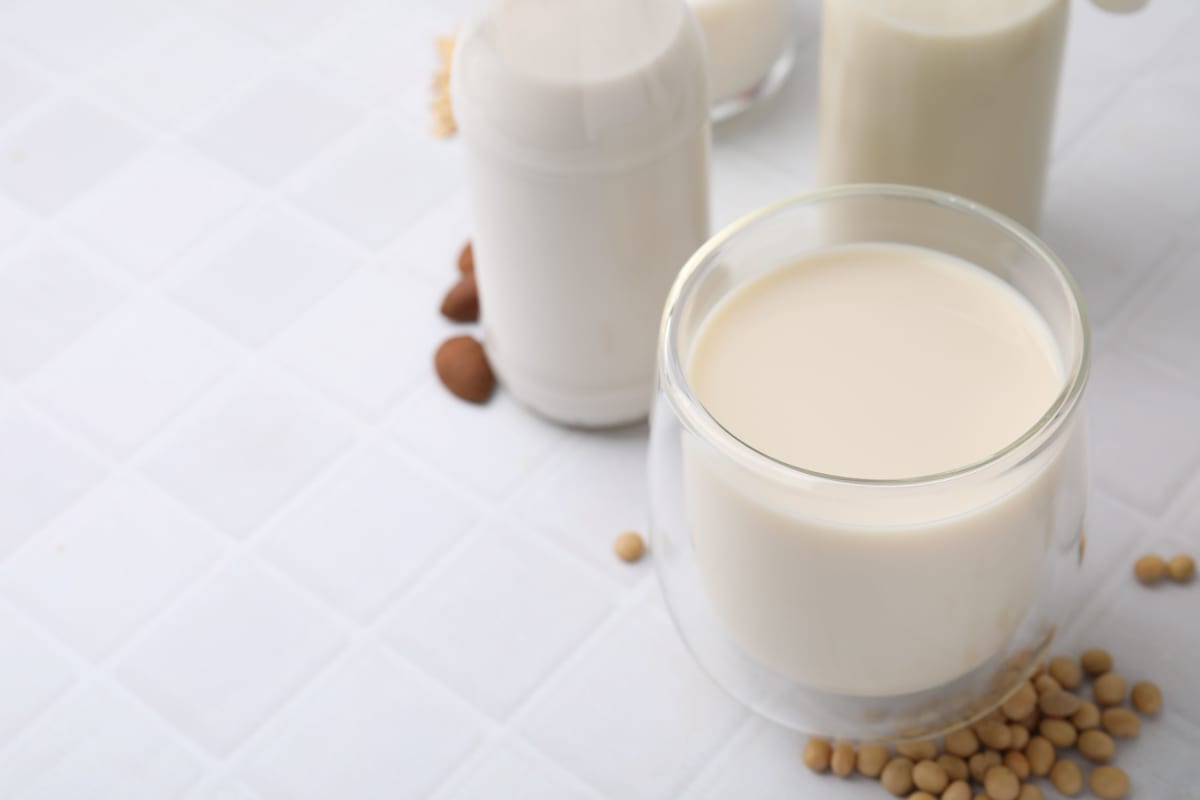
The Best Plant-Based Milk for Protein, According to Registered Dietitians
Wander down the dairy aisle of virtually any supermarket today, and you are greeted by an extraordinary wall of alternatives. Where cow's milk once held a quiet monopoly, shelves are now lined with cartons derived from almonds, oats, coconuts, hemp, cashews, and peas. For millions of people navigating lactose intolerance, dairy allergies, environmental concerns, or plant-forward lifestyle goals, this explosion of choices feels liberating.
However, beneath the sleek carton designs and wellness-forward branding lies a nutritional reality that catches many consumers off guard: not all plant-based milks are created equal. While some mimic the silky texture of traditional dairy, many offer little more than flavored water and a modest dusting of added vitamins. When health professionals and registered dietitians evaluate the entire spectrum of nondairy beverages, one option consistently claims the top spot for overall nutritional density and muscle-supporting power: soy milk.
The Protein Gap in the Plant-Milk Aisle
For decades, traditional cow's milk served as a reliable staple for one primary reason: it delivers roughly eight grams of high-quality protein per eight-ounce cup, alongside natural calcium, potassium, and B vitamins. When people swap cow's milk for a plant-based carton, they often assume they are receiving an equivalent nutritional trade-off. Unfortunately, in the majority of cases, that assumption is incorrect.
Consider almond milk, which remains one of the best-selling nondairy alternatives on the market. While almond milk is naturally low in calories and boasts a delicate flavor, a standard cup typically contains just one gram of protein. Oat milk, celebrated for its barista-friendly frothing ability and naturally sweet profile, fares only slightly better, generally offering two to three grams of protein per serving accompanied by a noticeably higher carbohydrate load. Coconut milk and rice milk frequently register near zero grams of protein.
If you rely on your morning splash of milk simply to lighten a cup of dark roast, that protein disparity might not disrupt your day. However, if your milk forms the foundation of your breakfast smoothie, post-workout recovery shake, or daily bowl of oatmeal, relying on a low-protein alternative can leave you feeling hungry an hour later and short on essential amino acids.
Why Soy Milk Remains the Dietitian Gold Standard
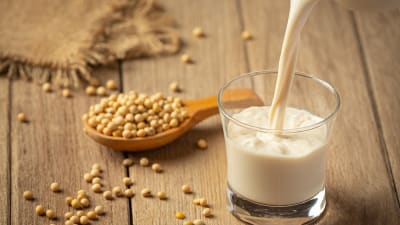
When dietitians point to the reigning champion of plant-based milks, traditional soy milk reliably takes the crown. Made from filtered water and whole soybeans, soy milk is one of the only widely accessible plant milks that naturally rivals cow's milk in the macronutrient department, delivering between seven and eight grams of protein per one-cup serving.
The value of soy milk extends well beyond the raw number of grams on the nutrition panel. Nutrition experts champion soy milk for several distinct physiological benefits:
- A Complete Amino Acid Profile: Unlike many plant proteins that run low in specific essential amino acids like methionine or lysine, soy is a "complete" protein. It contains all nine essential amino acids that your body cannot synthesize on its own, making it exceptionally effective for muscle repair, tissue synthesis, and immune health.
- High Biological Availability: The protein found in properly processed soy milk boasts high digestibility scores, meaning your digestive tract can efficiently break down, absorb, and utilize the amino acids it delivers.
- Satiety and Blood Sugar Regulation: Pairing carbohydrates with seven to eight grams of protein slows gastric emptying. This blunts post-meal glucose spikes and helps you stay full and energized throughout the morning.
- Official Dietary Recognition: Fortified soy milk is the only plant-based milk alternative formally recognized by the USDA Dietary Guidelines for Americans as nutritionally comparable to dairy milk in terms of protein, calcium, and vitamin D content.
What About Pea Milk? The Modern Contender
While soy milk remains the classic, time-tested option, dietitians also frequently highlight pea protein milk (such as brands made from yellow split peas) as an outstanding modern alternative. Yellow pea milk also delivers roughly eight grams of complete protein per cup, making it an excellent functional substitute for individuals managing soy allergies or thyroid sensitivities that require moderation of soy intake.
Pea milk tends to have a neutral, creamy consistency and a low environmental footprint, making it a worthy runner-up for anyone prioritizing macronutrient parity without relying on soy or dairy.
How Other Milks Measure Up: A Quick Comparison
To put the protein distribution into clear perspective, take a look at how an eight-ounce glass of common varieties compares:
- Soy Milk: 7 to 8 grams of protein
- Pea Protein Milk: 8 grams of protein
- Cow's Milk (Whole or Skim): 8 grams of protein
- Oat Milk: 2 to 3 grams of protein
- Hemp Milk: 2 to 3 grams of protein
- Almond Milk: 1 to 1.5 grams of protein
- Cashew Milk: 1 gram of protein
- Coconut Milk Beverage: 0 to 0.5 grams of protein
- Rice Milk: 0 to 1 gram of protein
How to Choose the Best Carton: A Dietitian's Checklist
Even once you have settled on soy milk or a pea-protein alternative, navigating the ingredient panel requires a discerning eye. Dietitians recommend keeping the following criteria in mind during your next grocery trip:
1. Prioritize "Unsweetened" Varieties
Flavored nondairy milks—particularly vanilla and chocolate varieties—can conceal surprising quantities of added cane sugar, sometimes delivering up to 12 to 15 grams per cup. Opt for plain, unsweetened cartons for everyday use. You can always add a drop of pure vanilla extract or a dash of cinnamon at home without introducing unnecessary refined sugars.
2. Check for Fortification
Cow's milk naturally provides bioavailable calcium, phosphorus, and riboflavin, and is routinely fortified with vitamins A and D. When shopping for plant milks, look for cartons labeled "fortified." Specifically, ensure your choice provides at least 25 to 30 percent of the Daily Value for calcium and roughly 15 to 20 percent for vitamin D, alongside vitamin B12 if you adhere to a strictly vegan dietary pattern.
3. Shake the Carton Thoroughly
Fortified minerals—especially calcium carbonate and tricalcium phosphate—do not remain permanently dissolved in liquid. Over time, these heavy minerals settle to the bottom of the carton. Giving your milk a vigorous shake before each pour ensures that the micronutrients end up in your glass rather than trapped at the bottom of the container.
Practical Ways to Make the Swap
Incorporating high-protein plant milk into your routine is straightforward and versatile. Because soy milk possesses a mild flavor and naturally emulsifying properties, it performs exceptionally well across various culinary applications:
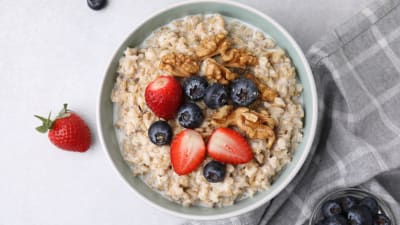
- Morning Oats: Cook your rolled or steel-cut oats in soy milk instead of water to add an effortless eight grams of protein to your breakfast bowl.
- Blended Smoothies: Use fortified soy milk as your liquid base to create a rich, velvety texture while ensuring your blend keeps you satisfied until lunchtime.
- Savory Soups and Sauces: Unsweetened, plain soy milk makes a superb dairy-free alternative in cream-based soups, curries, and pasta sauces without curdling under moderate heat.
- Baking: Soy milk's natural protein and fat ratios mimic cow's milk closely, making it an ideal 1:1 substitute in pancakes, muffins, and quick breads.
Key Takeaways for Your Next Grocery Run
Choosing a plant-based beverage does not mean you have to compromise on your daily protein intake. While variety has enriched the nondairy landscape, soy milk remains the gold standard endorsed by nutrition professionals for its complete amino acid profile, reliable eight grams of protein per serving, and proven track record of nutritional parity with dairy.
By selecting an unsweetened, fortified carton and giving it a good shake before pouring, you can enjoy all the benefits of a modern plant-forward diet while giving your body the substantial nutritional foundation it needs to thrive.
Source Attribution: Article content originally reported by Lauren Barnhill. Read original story coverage on Lauren Barnhill →

Elena Rostova
WelloraDaily Editorial Team